

language
Product



News
Our company offers a comprehensive set of products in the industrial, commercial and
residential fields.
Understanding the Benefits of Solar Farm Mounting Systems for Optimal Energy Generation
Release time:
2025-12-14
Understanding the Benefits of Solar Farm Mounting Systems for Optimal Energy Generation
Table of Contents
- 1. Introduction to Solar Farm Mounting Systems
- 2. What Are Solar Farm Mounting Systems?
- 3. Types of Solar Farm Mounting Systems
- 4. Benefits of Solar Farm Mounting Systems
- 4.1 Enhanced Energy Efficiency
- 4.2 Cost-Effectiveness
- 4.3 Increased Durability
- 4.4 Improved Installation Process
- 4.5 Positive Environmental Impact
- 5. Challenges and Solutions
- 6. The Future of Solar Farm Mounting Systems
- 7. Frequently Asked Questions
- 8. Conclusion
1. Introduction to Solar Farm Mounting Systems
The world is increasingly shifting towards renewable energy solutions, with solar power leading the charge. **Solar farm mounting systems** play a crucial role in the efficiency and effectiveness of solar energy generation. These systems provide a foundation for solar panels, optimizing their positioning to harness maximum sunlight. In this article, we will explore the various types of solar farm mounting systems, their benefits, challenges, and the future of solar energy technology.
2. What Are Solar Farm Mounting Systems?
Solar farm mounting systems are structures that support solar panels, ensuring they are positioned at optimal angles to capture sunlight. These systems can be permanent or adjustable, depending on their design and functionality. They not only hold solar panels securely but also facilitate efficient energy production by maximizing exposure to sunlight.
3. Types of Solar Farm Mounting Systems
Understanding the different types of mounting systems is essential for selecting the right one for specific solar energy projects.
3.1 Fixed Mount Systems
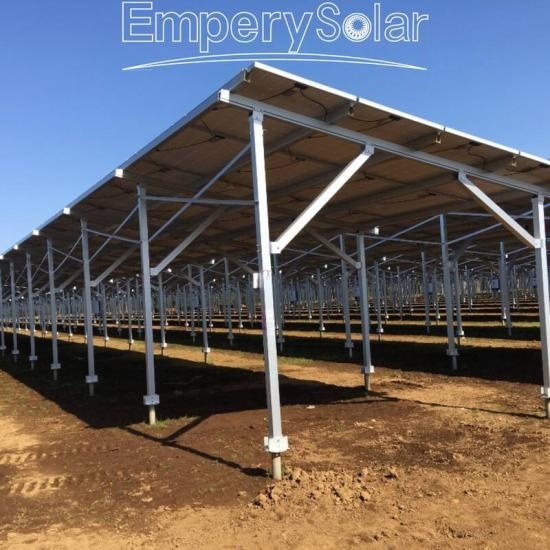
Fixed mount systems are the most straightforward type of solar farm mounting structure. They consist of racks that hold solar panels at a specific angle, usually optimized for the latitude of the installation site. **Advantages** of fixed mount systems include lower installation costs and reduced maintenance needs. However, they do not adjust for the sun’s movement throughout the day, which can limit their energy capture potential.
3.2 Tracking Systems
Tracking systems are more sophisticated. They use motors to adjust the panel's position throughout the day, following the sun's trajectory. This capability allows for enhanced energy capture, often increasing energy production by **20-50%** compared to fixed systems. However, tracking systems typically come with higher upfront costs and require more maintenance.
3.3 Ground-Mounted vs. Rooftop Systems
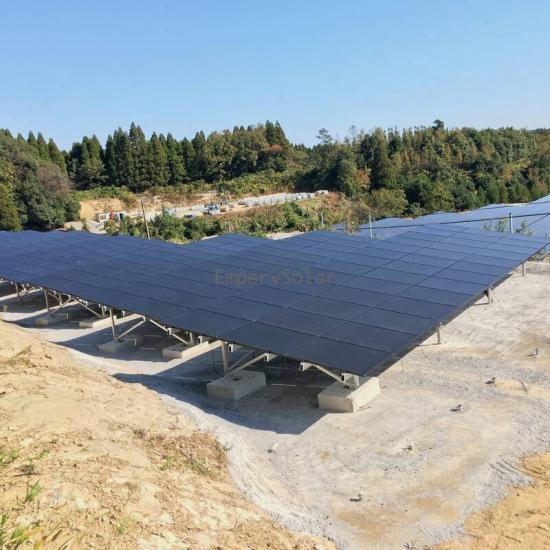
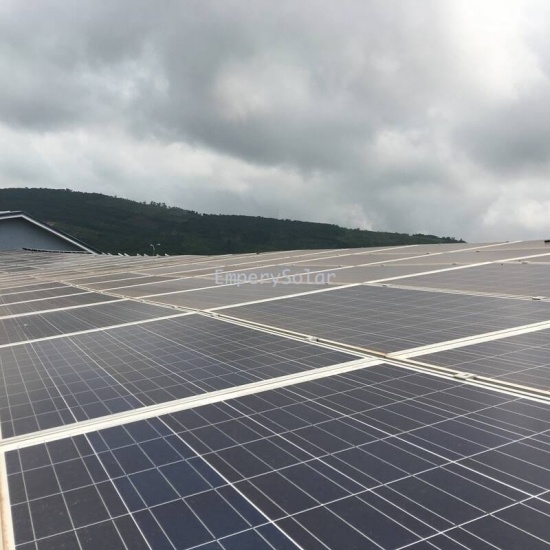
Solar systems can be installed on the ground or mounted on rooftops. **Ground-mounted systems** are often used in large solar farms where space is available, while **rooftop systems** are more suitable for urban environments where land is limited. Both systems have their own sets of advantages and disadvantages, depending on the specific project requirements.
4. Benefits of Solar Farm Mounting Systems
Solar farm mounting systems offer numerous advantages that contribute to the overall effectiveness and efficiency of solar energy generation.
4.1 Enhanced Energy Efficiency
One of the most significant benefits of solar farm mounting systems is their ability to enhance energy efficiency. By optimizing the angle and orientation of solar panels, these systems ensure that panels receive maximum sunlight exposure. This alignment increases the overall energy output, making solar energy systems more productive and economically viable.
4.2 Cost-Effectiveness
Investing in solar farm mounting systems can lead to substantial long-term cost savings. While the initial investment may appear high, the increased energy production and reduced maintenance costs can offset these expenses over time. Moreover, many governments offer incentives for solar installations, further enhancing the financial appeal of solar energy projects.
4.3 Increased Durability
Solar farm mounting systems are designed to withstand various environmental conditions, including wind, rain, and snow. High-quality materials ensure that these systems remain durable and reliable over time, minimizing the risk of damage and the need for repairs. This durability is crucial for maximizing the lifespan and return on investment for solar energy projects.
4.4 Improved Installation Process
Modern solar farm mounting systems are engineered for quick and efficient installation. Prefabricated components and modular designs help reduce installation time and labor costs. An efficient installation process is essential for any solar project, allowing for faster deployment and a quicker turnaround on energy production.
4.5 Positive Environmental Impact
By promoting the use of renewable energy, solar farm mounting systems contribute to reducing greenhouse gas emissions and combating climate change. The transition to solar energy minimizes reliance on fossil fuels and promotes sustainability, making these systems an essential component of the global effort towards a cleaner environment.
5. Challenges and Solutions
Despite the numerous benefits, solar farm mounting systems do face challenges. **Land use**, **initial costs**, and **technological complexity** can all pose issues for solar projects. However, innovative solutions and advancements in technology can address these challenges effectively.
Land use can be mitigated by implementing dual-use systems, where agricultural activities coexist with solar farms. Solutions like agrivoltaics allow crops to be grown beneath solar panels, optimizing land use and enhancing food production.
Initial costs can be offset through government incentives, financing options, and the decreasing prices of solar technology. As the solar market continues to evolve, costs are expected to decline further, making solar energy more accessible.
Technological complexity can be addressed through improved training and resources for installation and maintenance crews. Educating stakeholders about the benefits and functionality of solar farm mounting systems will lead to better decision-making and implementation.
6. The Future of Solar Farm Mounting Systems
The future of solar farm mounting systems looks promising, with ongoing advancements in technology and design. Innovations such as smart tracking systems, lightweight materials, and modular components are expected to enhance the efficiency and effectiveness of solar installations further.
As demand for renewable energy continues to grow, the solar industry will likely see increased investment in research and development, leading to more efficient and cost-effective solutions. Solar farm mounting systems will play a crucial role in this evolution, supporting the transition to a more sustainable energy future.
7. Frequently Asked Questions
What are solar farm mounting systems made of?
Solar farm mounting systems are typically made from durable materials such as aluminum or galvanized steel. These materials are designed to withstand environmental conditions while providing sturdy support for solar panels.
How do I choose the right solar farm mounting system?
Choosing the right mounting system depends on various factors, including project size, budget, and location. It is essential to consider the type of solar technology being used and the environmental conditions of the installation site.
Can solar farm mounting systems be used in all weather conditions?
Yes, high-quality solar farm mounting systems are designed to endure various weather conditions. However, specific designs may be better suited for particular environments, so it’s essential to choose a system that matches the local climate.
What is the lifespan of solar farm mounting systems?
Most solar farm mounting systems have a lifespan of **25 years or more**. With proper maintenance and usage, they can last even longer, providing reliable support for solar panels throughout their operational life.
Do solar farm mounting systems require maintenance?
While solar farm mounting systems generally require minimal maintenance, it is essential to inspect them periodically for any signs of wear or damage, especially after severe weather events. Ensuring that the systems are in good condition will maximize their lifespan and efficiency.
8. Conclusion
Solar farm mounting systems are a fundamental component of solar energy generation. Their ability to enhance energy efficiency, reduce costs, and promote sustainability makes them invaluable in the transition to renewable energy solutions. As technology continues to evolve, we can expect further advancements in solar farm mounting systems, facilitating a more sustainable and environmentally friendly future. Embracing these systems not only contributes to energy independence but also fosters a greener planet for generations to come.
RELATED BLOG

EmperySolar Successfully Concludes Participation in IGEM 2026 Malaysia
Xiamen Empery Solar Technology Co., Ltd. successfully concluded its participation in the 2026 International Greentech & Eco Products Exhibition & Conference Malaysia
View Details


Xiamen Empery Solar Technology Co.,Ltd.

Room 611, Quanyutong Business center, No.368, Xianhou She, Huli Districts. Xiamen,China.


Whatsapp : +86-13950145677


