

language
Product





News
Our company offers a comprehensive set of products in the industrial, commercial and
residential fields.
Understanding Solar Ground Systems: A Comprehensive Guide
Release time:
2025-12-15
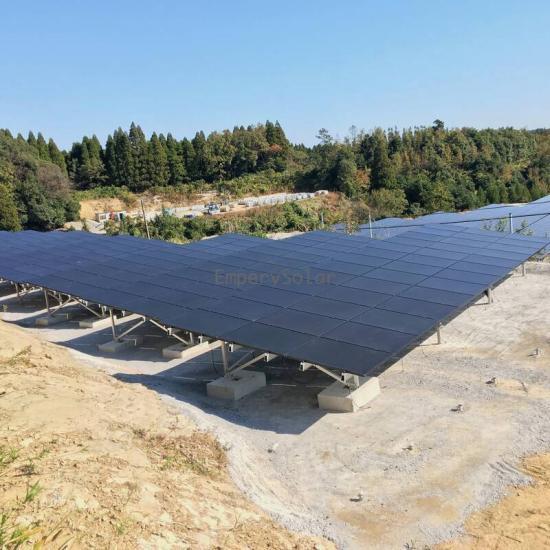
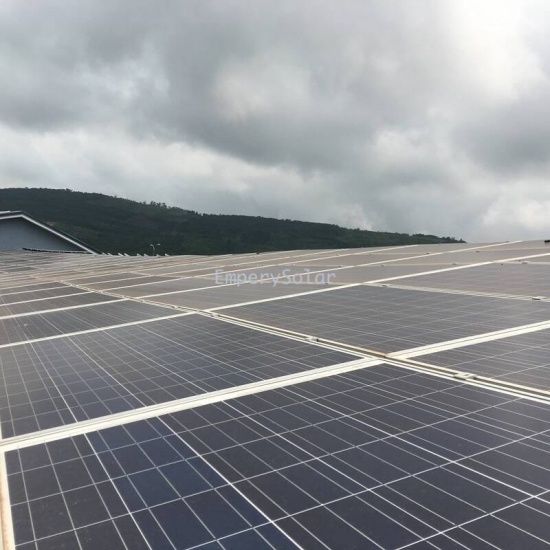
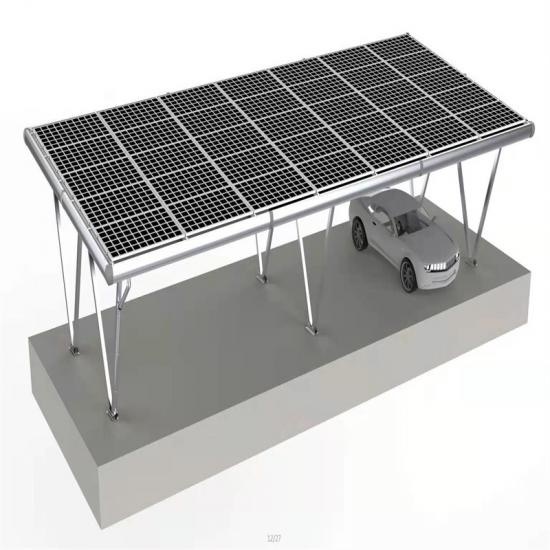
Solar ground systems are a fundamental aspect of solar energy installations, particularly for larger projects that require efficient energy generation and space utilization. These systems consist of solar panels mounted on the ground, often on specially designed structures or racks, allowing optimal positioning for sunlight exposure. Understanding their components, installation processes, and advantages can greatly benefit those looking to invest in solar power solutions.
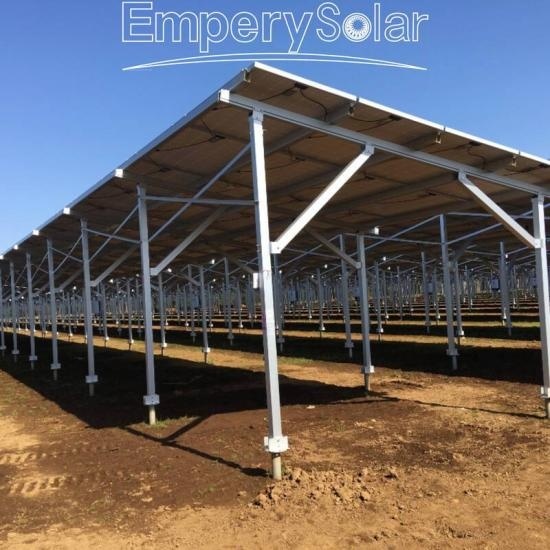
One of the critical components of a solar ground system is the mounting framework. This framework is designed to support solar panels at an optimal angle, ensuring maximum exposure to sunlight throughout the day. The choice of mounting system depends on various factors, including soil conditions, environmental factors, and local regulations. Common types of mounting systems include fixed-tilt mounts, which are stationary and set at a specific angle, and tracking systems, which can adjust the panel's position to follow the sun's trajectory.
Installation of a solar ground system involves several steps. First, a site assessment is conducted to evaluate the land's suitability for solar energy generation. This assessment includes analyzing sun exposure, shading from nearby structures or trees, and soil stability. Once the site is deemed appropriate, the installation process begins with preparing the ground, which may involve leveling the area and securing the frame. After the mounting system is in place, solar panels are installed, followed by wiring and connectivity to an inverter, which converts the DC electricity generated by the panels into usable AC electricity.
The advantages of solar ground systems are numerous. Firstly, they allow for larger solar installations compared to rooftop systems, making them ideal for commercial or utility-scale projects. This space-efficient design enables the placement of more solar panels, resulting in greater energy production. Additionally, ground systems can be easier to maintain; technicians have easier access for cleaning and repairs without the complexities associated with rooftop installations. Furthermore, these systems can be designed to include features like stormwater management, helping to reduce runoff and improve environmental sustainability.
In conclusion, solar ground systems play a crucial role in the effective harnessing of solar energy, especially for larger projects. By understanding their components, installation processes, and benefits, individuals and organizations can make informed decisions regarding solar energy investments. Embracing solar ground systems not only contributes to energy independence but also promotes a greener future through renewable energy utilization. As interest in solar energy continues to grow, staying informed about these systems will be essential for anyone involved in the electrical and energy sectors.
One of the critical components of a solar ground system is the mounting framework. This framework is designed to support solar panels at an optimal angle, ensuring maximum exposure to sunlight throughout the day. The choice of mounting system depends on various factors, including soil conditions, environmental factors, and local regulations. Common types of mounting systems include fixed-tilt mounts, which are stationary and set at a specific angle, and tracking systems, which can adjust the panel's position to follow the sun's trajectory.
Installation of a solar ground system involves several steps. First, a site assessment is conducted to evaluate the land's suitability for solar energy generation. This assessment includes analyzing sun exposure, shading from nearby structures or trees, and soil stability. Once the site is deemed appropriate, the installation process begins with preparing the ground, which may involve leveling the area and securing the frame. After the mounting system is in place, solar panels are installed, followed by wiring and connectivity to an inverter, which converts the DC electricity generated by the panels into usable AC electricity.
The advantages of solar ground systems are numerous. Firstly, they allow for larger solar installations compared to rooftop systems, making them ideal for commercial or utility-scale projects. This space-efficient design enables the placement of more solar panels, resulting in greater energy production. Additionally, ground systems can be easier to maintain; technicians have easier access for cleaning and repairs without the complexities associated with rooftop installations. Furthermore, these systems can be designed to include features like stormwater management, helping to reduce runoff and improve environmental sustainability.
In conclusion, solar ground systems play a crucial role in the effective harnessing of solar energy, especially for larger projects. By understanding their components, installation processes, and benefits, individuals and organizations can make informed decisions regarding solar energy investments. Embracing solar ground systems not only contributes to energy independence but also promotes a greener future through renewable energy utilization. As interest in solar energy continues to grow, staying informed about these systems will be essential for anyone involved in the electrical and energy sectors.
RELATED BLOG

EmperySolar Successfully Concludes Participation in IGEM 2026 Malaysia
Xiamen Empery Solar Technology Co., Ltd. successfully concluded its participation in the 2026 International Greentech & Eco Products Exhibition & Conference Malaysia
View Details


Xiamen Empery Solar Technology Co.,Ltd.

Room 611, Quanyutong Business center, No.368, Xianhou She, Huli Districts. Xiamen,China.


Whatsapp : +86-13950145677


