

language
Product





News
Our company offers a comprehensive set of products in the industrial, commercial and
residential fields.
Understanding Solar Ground Systems: Key Components and Benefits for Efficient Energy Management
Release time:
2025-12-29
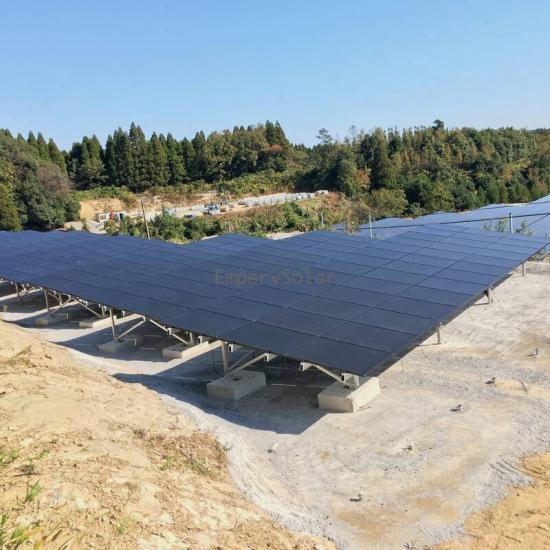
Solar ground systems are integral to the deployment and efficiency of solar energy solutions, particularly for large-scale installations. These systems are designed to support solar panels mounted on the ground instead of rooftops, making them suitable for various terrains and climates. Understanding the fundamentals of solar ground systems is crucial for professionals involved in the electrical and energy sectors.
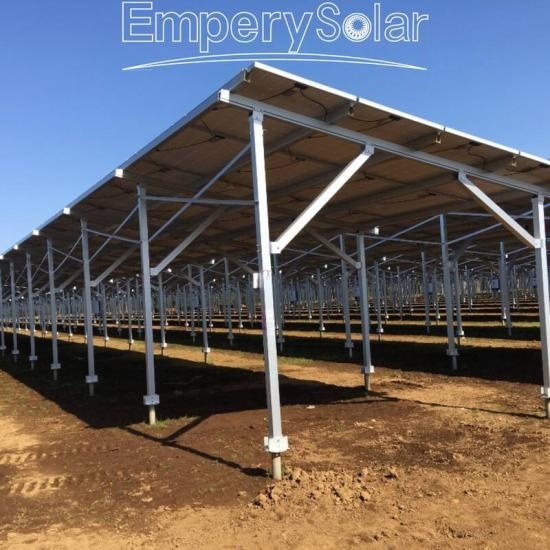
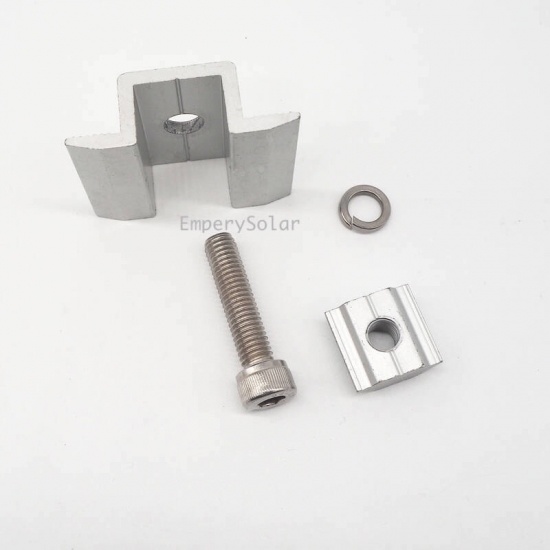
At the core of a solar ground system is its structure, which typically includes mounting racks that securely hold solar panels in place. These racks can be fixed or adjustable, allowing for optimal positioning of the solar panels to capture sunlight throughout the day. The choice between fixed and adjustable mounts often depends on geographical location, as areas with higher solar intensity may benefit from fixed mounts, while regions with varying sunlight angles could see advantages from adjustable systems.
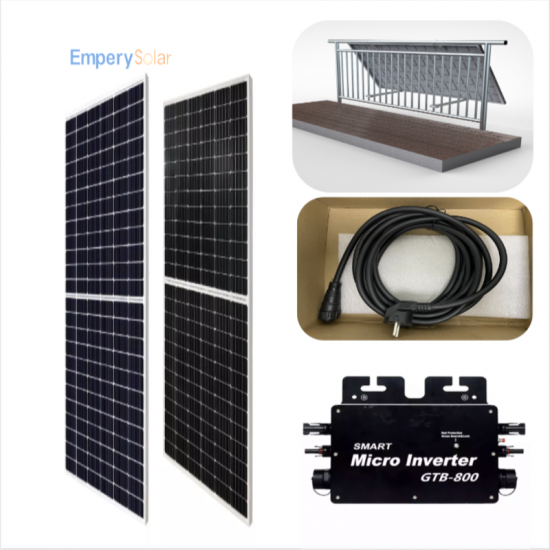
Another critical component of solar ground systems is the inverter, which converts the direct current (DC) generated by solar panels into alternating current (AC) suitable for use in homes and businesses. The efficiency of the inverter can significantly impact the overall energy output of the system. Selecting high-quality inverters that are compatible with the solar panels and the specific energy needs of the installation is essential for maximizing performance.
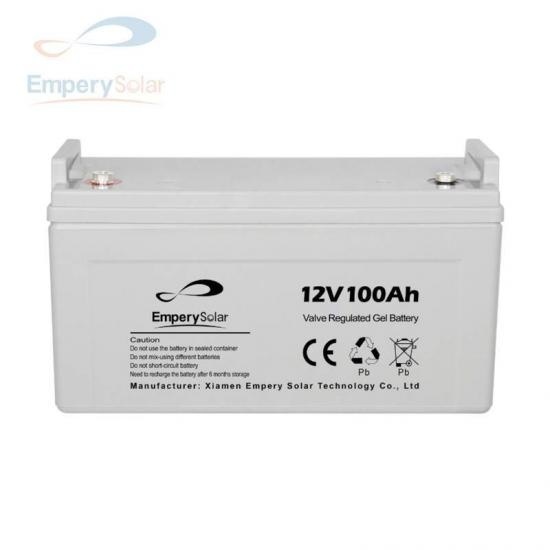
Battery storage systems often complement solar ground systems, allowing for energy generated during sunny periods to be stored for use during cloudy days or nighttime. This combination not only enhances energy reliability but also provides a valuable backup during power outages. When considering battery options, professionals should analyze factors such as storage capacity, discharge rates, and lifespan, as these will influence the overall efficiency of the solar ground system.
In addition to these technical components, the benefits of solar ground systems extend to environmental considerations. By utilizing renewable solar energy, these systems contribute to reduced greenhouse gas emissions and promote sustainable energy practices. Moreover, solar ground systems can often be installed in areas that do not disrupt existing land use, such as agricultural fields or brownfield sites, maximizing land utilization while minimizing environmental impact.
In conclusion, solar ground systems represent a vital aspect of solar energy technology. Their efficient structure, compatibility with inverters and battery systems, and environmental benefits make them an excellent choice for energy management in various applications. For professionals in the electrical and energy sectors, understanding the intricacies of solar ground systems is key to leveraging their full potential in the transition to sustainable energy solutions.
RELATED BLOG

EmperySolar Successfully Concludes Participation in IGEM 2026 Malaysia
Xiamen Empery Solar Technology Co., Ltd. successfully concluded its participation in the 2026 International Greentech & Eco Products Exhibition & Conference Malaysia
View Details


Xiamen Empery Solar Technology Co.,Ltd.

Room 611, Quanyutong Business center, No.368, Xianhou She, Huli Districts. Xiamen,China.


Whatsapp : +86-13950145677


