

language
Product





News
Our company offers a comprehensive set of products in the industrial, commercial and
residential fields.
The Future of Energy: Why You Need a Solar Ground System
Release time:
2026-01-21
The Future of Energy: Why You Need a Solar Ground System
Table of Contents
- 1. Introduction to Solar Ground Systems
- 2. Understanding Solar Energy and Its Importance
- 3. Benefits of Solar Ground Systems
- 3.1 Environmental Impact of Solar Energy
- 3.2 Cost-Effectiveness in the Long Run
- 3.3 Achieving Energy Independence
- 4. The Installation Process of Solar Ground Systems
- 5. Maintenance Requirements for Solar Ground Systems
- 6. The Future of Solar Technology
- 7. Common Misconceptions About Solar Ground Systems
- 8. Frequently Asked Questions
- 9. Conclusion
1. Introduction to Solar Ground Systems
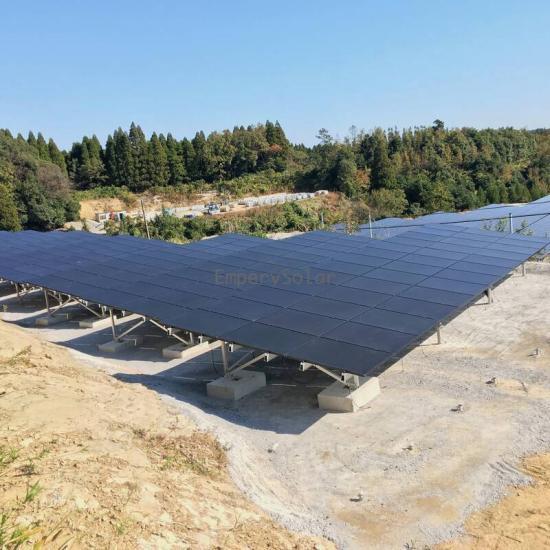
The increasing demand for sustainable energy solutions has positioned **solar ground systems** at the forefront of the energy revolution. Comprising solar panels installed on the ground, these systems are designed to harness solar power efficiently. With the global focus on reducing carbon footprints, investing in solar technology has never been more critical. This article will delve into the importance of solar ground systems, their benefits, installation processes, and future advancements.
2. Understanding Solar Energy and Its Importance
**Solar energy** is derived from the sun's radiation and can be converted into electricity or heat. It is a renewable resource, meaning it is abundant and inexhaustible, unlike fossil fuels. The importance of solar energy lies in its potential to mitigate climate change by reducing greenhouse gas emissions. As society shifts towards renewable energy sources, understanding solar energy is essential for making informed decisions about energy consumption.
3. Benefits of Solar Ground Systems
Solar ground systems offer numerous advantages that make them a viable alternative to traditional energy sources. Below are some of the most significant benefits:
3.1 Environmental Impact of Solar Energy
One of the primary advantages of solar ground systems is their **positive environmental impact**. By utilizing solar energy, we can significantly reduce our reliance on fossil fuels, which contributes to air pollution and climate change. Solar ground systems do not emit greenhouse gases during operation, making them an eco-friendly energy solution.
3.2 Cost-Effectiveness in the Long Run
While the initial investment in solar ground systems can be substantial, the **long-term cost savings** are noteworthy. Homeowners and businesses can lower their electricity bills, and in many regions, they can take advantage of government incentives and rebates. Additionally, the maintenance costs for solar systems are relatively low, leading to further savings over time.
3.3 Achieving Energy Independence
Investing in a solar ground system can help individuals and businesses achieve **energy independence**. By generating your own electricity, you will be less reliant on utility companies and vulnerable to fluctuating energy prices. Solar ground systems empower users to take control of their energy needs and contribute to a more resilient power grid.
4. The Installation Process of Solar Ground Systems
Installing a solar ground system involves several steps to ensure optimal performance and efficiency. The general installation process includes:
1. **Site Assessment**: Evaluate the land for sunlight exposure, shading, and soil conditions.
2. **System Design**: Customize a solar ground system that fits the specific energy needs.
3. **Permitting**: Obtain necessary permits from local authorities to comply with regulations.
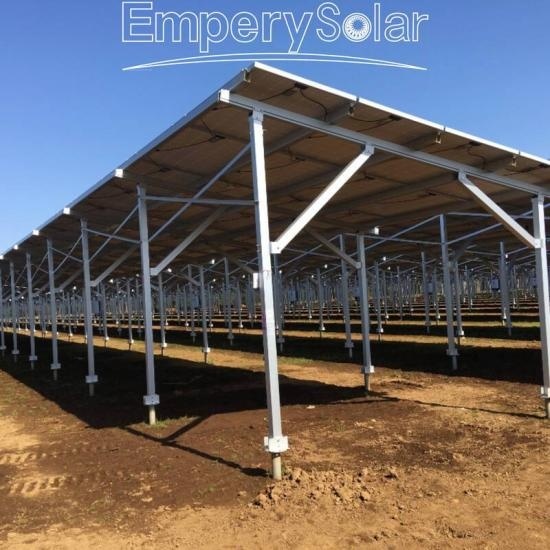
4. **Installation**: Set up the solar panels, mounting systems, and electrical connections.
5. **Inspection**: Conduct a thorough inspection to ensure everything is functioning correctly.
Each step is crucial to the successful installation and operation of solar ground systems.
5. Maintenance Requirements for Solar Ground Systems
Proper maintenance is essential to keep solar ground systems functioning at peak performance. Maintenance involves:
- **Regular Cleaning**: Dust and debris can accumulate on solar panels, reducing efficiency.
- **Monitoring Performance**: Track energy production and identify any issues with the system.
- **Professional Inspections**: Schedule annual inspections with certified technicians to ensure the system is in good condition.
By following these maintenance steps, you can maximize the lifespan and efficiency of your solar ground system.
6. The Future of Solar Technology
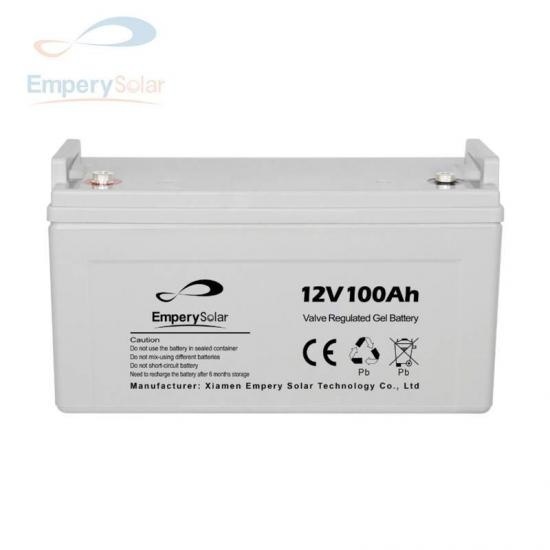
The future of solar technology looks promising, with advancements in efficiency, energy storage, and smart technology integration. Innovations such as **bifacial solar panels**, which capture sunlight from both sides, and **solar batteries** that store excess energy for later use are paving the way for more efficient and reliable solar systems. Additionally, the integration of smart technology enables users to monitor and control their energy consumption in real-time, enhancing the overall efficiency of solar ground systems.
7. Common Misconceptions About Solar Ground Systems
Despite the many benefits of solar ground systems, there are several misconceptions that may deter potential users:
- **Misconception 1**: Solar panels only work in sunny climates.
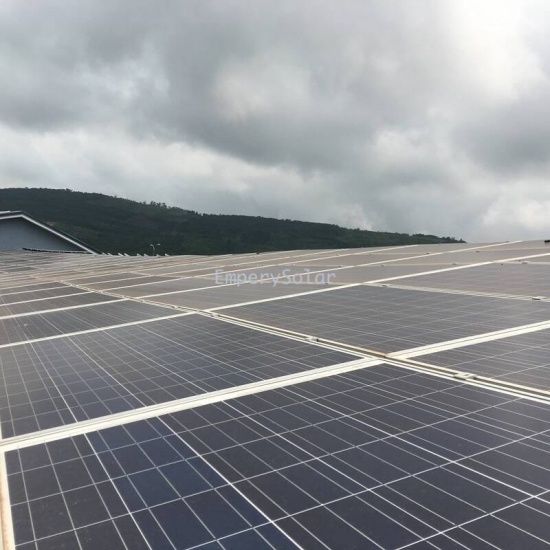
**Reality**: Solar panels can generate electricity on cloudy days, although efficiency may be reduced.
- **Misconception 2**: Solar energy is too expensive.
**Reality**: While the upfront cost can be high, incentives and long-term savings make it an affordable option.
- **Misconception 3**: Solar systems require a lot of maintenance.
**Reality**: Solar ground systems require minimal maintenance compared to traditional energy systems.
By debunking these misconceptions, potential users can make informed decisions about adopting solar technology.
8. Frequently Asked Questions
1. How much does it cost to install a solar ground system?
The cost of installing a solar ground system varies based on the system size, location, and installation specifics. However, many users find that government incentives and long-term savings on energy bills offset the initial investment.
2. What is the lifespan of a solar ground system?
Most solar ground systems have a lifespan of 25 to 30 years, with warranties often covering performance for at least 25 years.
3. Can solar ground systems work in winter?
Yes, solar ground systems can generate electricity in winter, although snow accumulation may temporarily affect performance. Regular maintenance can help keep panels clear and efficient.
4. What if my property does not get enough sunlight?
If your property has limited sunlight, a solar ground system may still be viable. Consulting with a solar expert can provide alternative solutions or system designs to optimize energy generation.
5. Are solar ground systems environmentally friendly?
Absolutely! Solar ground systems produce clean, renewable energy, significantly reducing reliance on fossil fuels and lowering greenhouse gas emissions.
9. Conclusion
As we transition towards a more sustainable future, investing in a **solar ground system** is not just an option; it is a necessity. With their numerous environmental and financial benefits, solar ground systems offer a path to energy independence and reduced emissions. The installation process is straightforward, and with the right maintenance, these systems can serve you for decades. Embracing solar energy is not only a wise financial decision but also a commitment to a cleaner, greener planet. The future of energy is here, and solar ground systems are leading the charge.
RELATED BLOG

Meet Empery Solar at the 18th Solar PV & Energy Storage World Expo
Visit Empery Solar at Booth 10.2 Hall B592 in Guangzhou from September 16–18, 2026, to explore reliable solar mounting solutions.
View Details


Xiamen Empery Solar Technology Co.,Ltd.

Room 611, Quanyutong Business center, No.368, Xianhou She, Huli Districts. Xiamen,China.


Whatsapp : +86-13950145677


