

language
Product



News
Our company offers a comprehensive set of products in the industrial, commercial and
residential fields.
Understanding Fixed Tilt Ground Mount Systems: A Comprehensive Guide
Release time:
2026-02-07
Understanding Fixed Tilt Ground Mount Systems: A Comprehensive Guide
Table of Contents
- 1. Introduction to Fixed Tilt Ground Mount Systems
- 2. What is a Fixed Tilt Ground Mount System?
- 3. Advantages of Fixed Tilt Ground Mount Systems
- 4. Installation of Fixed Tilt Ground Mount Systems
- 5. Maintenance Best Practices
- 6. Cost Analysis of Fixed Tilt Ground Mount Systems
- 7. Future Trends in Solar Ground Mount Systems
- 8. Frequently Asked Questions
- 9. Conclusion
1. Introduction to Fixed Tilt Ground Mount Systems
Fixed tilt ground mount systems are an integral part of solar power installations, providing a reliable and efficient way to harness solar energy. Unlike rooftop solar panels, these systems are installed on the ground, typically at a fixed angle, allowing for optimized sun exposure throughout the day. This guide will explore the nuances of fixed tilt ground mount systems, their advantages, installation techniques, and maintenance practices to help you make informed decisions about your solar energy investment.
2. What is a Fixed Tilt Ground Mount System?
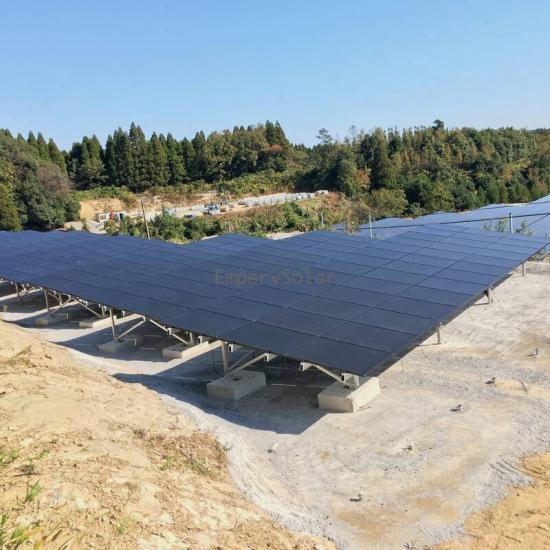
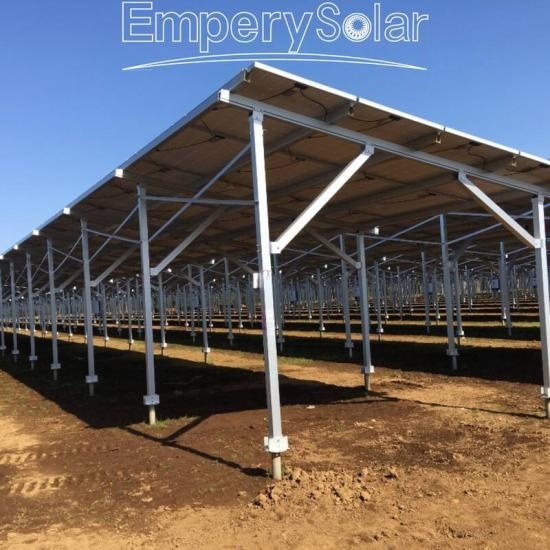
Fixed tilt ground mount systems consist of solar panels mounted on a framework that is anchored to the ground at a specific angle. This angle remains constant, which allows the panels to capture sunlight efficiently throughout the day. The design is simple yet effective, making it a popular choice for both residential and commercial solar applications.
2.1 Key Components of Fixed Tilt Systems
Understanding the components of fixed tilt ground mount systems is essential for evaluating their effectiveness. Key components include:
- **Solar Panels**: The heart of the system, converting sunlight into electricity.
- **Mounting Racks**: Structures that hold the solar panels securely in place.
- **Foundation**: The anchor system, which may include concrete footings or driven piles, ensuring stability.
- **Wiring and Inverters**: Electrical components that connect the solar panels to the grid or battery systems, converting the generated power for use.
3. Advantages of Fixed Tilt Ground Mount Systems
Fixed tilt ground mount systems offer several advantages that set them apart from alternative solar installations.
3.1 Efficiency Compared to Other Systems
One of the primary benefits of fixed tilt systems is their optimized positioning. By adjusting the tilt angle based on geographical location, these systems can significantly enhance energy production compared to flat-roof installations. They are particularly effective in areas with predictable sunlight patterns.
3.2 Long-term Cost Benefits
While the initial investment for fixed tilt ground mount systems may be higher, the long-term benefits are substantial. These systems typically require less maintenance than tracking systems and can achieve a lower levelized cost of energy (LCOE) over time. This makes them a financially savvy choice for many property owners.
4. Installation of Fixed Tilt Ground Mount Systems
The installation process of fixed tilt ground mount systems requires careful planning and execution to ensure optimal performance.
4.1 Site Selection Criteria
Choosing the right location for your fixed tilt ground mount system is crucial. Consider the following factors during site selection:
- **Sunlight Exposure**: Ensure the site receives ample sunlight without obstructions like trees or buildings.
- **Soil Type**: Assess the soil condition for durability and foundation support.
- **Access to Infrastructure**: Proximity to power lines and grid connections will impact installation costs and feasibility.
4.2 Installation Process Explained
The installation process typically follows these steps:
1. **Site Survey**: Conduct a thorough site analysis to determine the optimal layout and orientation.
2. **Foundation Installation**: Install concrete footings or driven piles to provide a solid base for the mounting racks.
3. **Mounting Structure Assembly**: Assemble the mounting racks according to the specified design, ensuring they are securely anchored.
4. **Panel Attachment**: Install solar panels to the racks, ensuring proper alignment and spacing.
5. **Electrical Connections**: Connect the panels to inverters and integrate them into the electrical system.
5. Maintenance Best Practices
Regular maintenance is essential to ensure the longevity and efficiency of fixed tilt ground mount systems. Recommended practices include:
- **Routine Inspections**: Conduct periodic inspections of the structures, panels, and electrical connections.
- **Cleaning Panels**: Keep the solar panels clean to maximize sunlight absorption. Use soft brushes or specialized cleaning solutions.
- **Monitoring Performance**: Utilize monitoring systems to track energy production and identify any potential issues early on.
6. Cost Analysis of Fixed Tilt Ground Mount Systems
Understanding the costs associated with fixed tilt ground mount systems helps in budgeting and financial planning.
- **Initial Costs**: These can vary widely based on system size, location, and installation complexities. Generally, costs range from $2 to $4 per watt.
- **Operating Costs**: Maintenance costs are relatively low, often amounting to a few hundred dollars annually.
- **Return on Investment**: Given the potential savings on energy bills and available tax incentives, many users see a return on investment within 5 to 10 years.
7. Future Trends in Solar Ground Mount Systems
As solar technology continues to advance, several trends are shaping the future of fixed tilt ground mount systems:
- **Innovative Materials**: The development of lighter and more durable materials is improving the efficiency and lifespan of mounting systems.
- **Integration with Smart Technology**: Smart monitoring systems are becoming increasingly prevalent, providing real-time data on performance and efficiency.
- **Sustainability Focus**: There is a growing trend towards using recycled materials in the construction of solar installations, enhancing their environmental benefits.
8. Frequently Asked Questions
1. What is the average lifespan of fixed tilt ground mount systems?
The average lifespan of fixed tilt ground mount systems is typically 25 to 30 years with proper maintenance.
2. Can fixed tilt ground mount systems be installed in all types of terrains?
While they can be installed in various terrains, the stability of the foundation is crucial, and certain terrains may require additional engineering.
3. Are fixed tilt ground mount systems suitable for residential use?
Yes, fixed tilt ground mount systems are suitable for residential installations, especially for homes with adequate land space.
4. What angle should fixed tilt ground mount systems be set at?
The optimal angle depends on your geographical location. Generally, it is recommended to set the angle close to the latitude of the location.
5. How do fixed tilt systems compare to tracking systems?
Fixed tilt systems are generally more cost-effective and require less maintenance, while tracking systems can provide higher energy production but at a higher cost.
9. Conclusion
In conclusion, fixed tilt ground mount systems present a highly efficient and cost-effective solution for harnessing solar energy. By understanding the intricacies of their design, installation, and maintenance, property owners can make informed decisions that benefit both their energy needs and their financial investments. As the solar energy sector continues to evolve, embracing these systems can lead to significant long-term advantages, making them a worthy consideration for anyone looking to invest in solar power.
RELATED BLOG

EmperySolar Successfully Concludes Participation in IGEM 2026 Malaysia
Xiamen Empery Solar Technology Co., Ltd. successfully concluded its participation in the 2026 International Greentech & Eco Products Exhibition & Conference Malaysia
View Details


Xiamen Empery Solar Technology Co.,Ltd.

Room 611, Quanyutong Business center, No.368, Xianhou She, Huli Districts. Xiamen,China.


Whatsapp : +86-13950145677


