

language
Product



News
Our company offers a comprehensive set of products in the industrial, commercial and
residential fields.
Exploring the Functionality of Fixed Tilt Ground Mount Systems in Solar Energy
Release time:
2026-03-05
Exploring the Functionality of Fixed Tilt Ground Mount Systems in Solar Energy
Table of Contents
- 1. Introduction to Fixed Tilt Ground Mount Systems
- 2. What Are Fixed Tilt Ground Mount Systems?
- 3. Advantages of Fixed Tilt Ground Mount Systems
- 4. How Do Fixed Tilt Ground Mount Systems Work?
- 5. Installation Process of Fixed Tilt Ground Mount Systems
- 6. Optimal Conditions for Using Fixed Tilt Ground Mount Systems
- 7. Comparison with Other Mounting Systems
- 8. The Future of Fixed Tilt Ground Mount Systems in Solar Energy
- 9. FAQs
- 10. Conclusion
1. Introduction to Fixed Tilt Ground Mount Systems
In the expanding landscape of renewable energy, **solar power** stands out as a vital player in combating climate change and reducing dependency on fossil fuels. Among the myriad of technologies supporting solar energy generation, **fixed tilt ground mount systems** have emerged as a reliable method for optimizing solar panel performance. As we delve into this article, we will explore the functionality, benefits, and future prospects of these systems in the solar energy sector.
2. What Are Fixed Tilt Ground Mount Systems?
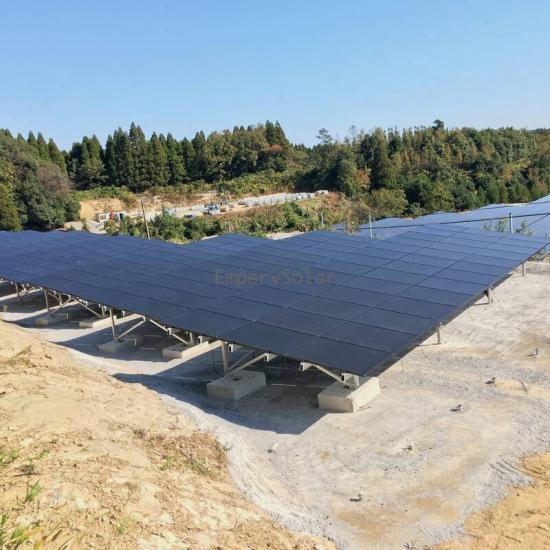
Fixed tilt ground mount systems are solar panel installations designed to remain at a predetermined angle, maximizing sunlight exposure throughout the day. Unlike **tracking systems**, which adjust angles based on the sun's path, fixed tilt systems are primarily stationary, making them easier to install and maintain.
Types of Fixed Tilt Ground Mount Systems
There are several types of fixed tilt systems, including:
- **Standard Fixed Tilt:** Panels are mounted at a fixed angle, commonly between 20-40 degrees, depending on the geographical location.
- **Adjustable Tilt:** These systems allow for seasonal adjustments to optimize solar gain.
- **Ballasted Systems:** Utilizing weight to hold panels in place, these systems are beneficial for sites that cannot accommodate deep foundations.
3. Advantages of Fixed Tilt Ground Mount Systems
Fixed tilt ground mount systems offer several advantages that make them an appealing choice for solar energy projects. Here are some of the primary benefits:
Cost-Effectiveness
One of the most significant advantages of fixed tilt systems is their cost-effectiveness. Installation is generally simpler and less labor-intensive than tracking systems, resulting in lower upfront costs. Additionally, fixed tilt systems often have fewer components, which can lead to reduced maintenance expenses over time.
Reliability and Durability
Fixed tilt ground mount systems are built to withstand various weather conditions, emphasizing reliability. The robust construction ensures long-term performance, with many systems lasting 25 years or more with minimal maintenance.
Space Efficiency
These systems require less ground space compared to other mounting systems. They can be spaced optimally to reduce shading while maximizing energy output, making them ideal for agricultural applications and urban installations.
Ease of Installation
Fixed tilt systems are typically easier and quicker to install. The straightforward design allows for faster deployment, enabling solar projects to commence generating electricity sooner.
4. How Do Fixed Tilt Ground Mount Systems Work?
Understanding how fixed tilt ground mount systems operate is essential for maximizing their potential. The basic functionality can be explained as follows:
Solar Panel Orientation
The angle at which solar panels are mounted plays a crucial role in capturing sunlight. Fixed tilt systems are positioned at an optimal angle that corresponds with the latitude of the installation site. This angle typically ranges from 20 to 40 degrees, allowing panels to harness sunlight effectively during peak hours.
Sunlight Capture
Throughout the day, as the sun moves across the sky, fixed tilt systems maintain their angle, ensuring a consistent level of sunlight capture. While they cannot follow the sun's trajectory, their optimal angle is designed to maximize solar radiation absorption throughout the day.
Energy Conversion
Once sunlight reaches the solar panels, photovoltaic cells convert this energy into electricity. The generated electricity is then transferred to an inverter, which transforms direct current (DC) into alternating current (AC) for use in homes or businesses.
5. Installation Process of Fixed Tilt Ground Mount Systems
The installation of fixed tilt ground mount systems follows a series of steps that ensure proper footing, alignment, and functionality.
Site Assessment
Before installation, a thorough site assessment is conducted to evaluate soil conditions, shade from surrounding structures, and the optimal angle for panel installation. This crucial step helps determine the most effective setup.
Foundation Preparation
Depending on the type of fixed tilt system, different foundation methods may be used. These can include concrete footings, driven piles, or ballast systems. Ensuring a stable foundation is key to long-term performance.
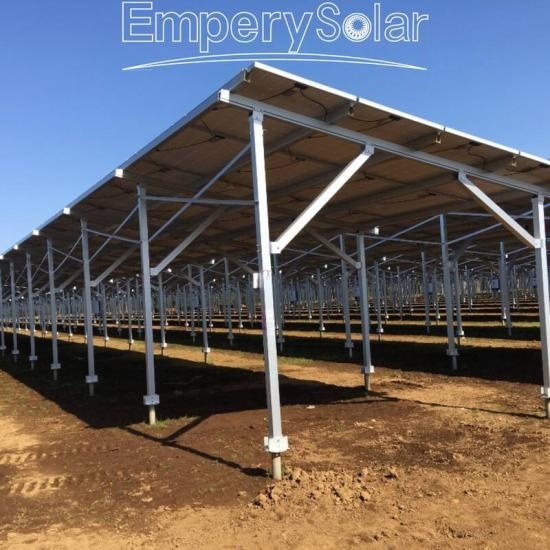
Mounting Structure Assembly
Once the foundation is prepared, the mounting structure is assembled. This structure must be designed to support the weight of the solar panels while withstanding environmental forces such as wind and snow.
Panel Installation
After the mounting structure is in place, solar panels are securely attached. Proper alignment and spacing are vital to minimize shading and maximize energy output.
Electrical Connection
Finally, the solar panels are connected to the inverter and any necessary electrical components, completing the installation process. All systems must be tested to ensure they operate correctly before being commissioned for use.
6. Optimal Conditions for Using Fixed Tilt Ground Mount Systems
Certain conditions can significantly influence the performance of fixed tilt ground mount systems. These include:
Geographical Location
The location plays a critical role in determining the optimal angle for fixed tilt solar panels. Regions with higher latitudes may require steeper angles compared to those closer to the equator.
Weather Patterns
Consistent sun exposure is essential for maximizing energy production. Areas with minimal cloud cover and fewer obstructions will yield the best results for fixed tilt systems.
Site Selection
Choosing the right site is crucial. Ideal locations should have ample sunlight access, minimal shading from trees or buildings, and stable soil conditions for solid foundation support.
7. Comparison with Other Mounting Systems
Understanding how fixed tilt ground mount systems stack up against other mounting options is essential for making informed decisions.
Fixed Tilt vs. Tracking Systems
Tracking systems adjust the angle of the panels throughout the day to follow the sun's path. While they can increase energy output, they are often more expensive and require more maintenance compared to fixed tilt systems.
Fixed Tilt vs. Roof-Mounted Systems
Roof-mounted systems utilize existing structures but may be limited by roof orientation and size. Fixed tilt systems can be installed in larger arrays, providing greater energy production potential.
8. The Future of Fixed Tilt Ground Mount Systems in Solar Energy
As the solar energy market continues to evolve, fixed tilt ground mount systems will likely adapt to meet new challenges and technologies.
Innovations in Materials
The use of advanced materials may enhance the durability and efficiency of fixed tilt systems, making them even more appealing to developers and homeowners.
Integration with Smart Technology
The incorporation of smart technology will enable better monitoring and management of energy production, leading to increased efficiency across solar installations.
Market Growth
With the global shift towards renewable energy, fixed tilt ground mount systems are poised to play a vital role in meeting increasing energy demands while adhering to sustainability goals.
9. FAQs
1. How much sunlight do fixed tilt ground mount systems need?
Fixed tilt ground mount systems ideally require direct sunlight exposure for optimal performance. Sites with minimal shading will yield the best energy generation.
2. Can fixed tilt systems be adjusted seasonally?
While fixed tilt systems maintain a predetermined angle, some models allow for seasonal adjustments to enhance efficiency based on sunlight variations.
3. What is the lifespan of fixed tilt ground mount systems?
With proper maintenance, fixed tilt ground mount systems can last 25 years or more, making them a long-term investment in solar energy.
4. Are fixed tilt systems suitable for residential installations?
Yes, fixed tilt ground mount systems can be an excellent option for residential solar energy applications, especially for homeowners with adequate land space.
5. How do I choose the right angle for my fixed tilt system?
The optimal angle for a fixed tilt system is typically based on your geographical location. Consulting a solar energy professional can help determine the most effective angle for your installation.
10. Conclusion
Fixed tilt ground mount systems present a robust and efficient solution for solar energy generation. Their simplicity, cost-effectiveness, and reliability position them as a significant player in the renewable energy landscape. By understanding their functionality and advantages, we can make informed decisions about solar energy installations. As technology continues to evolve, these systems will undoubtedly adapt, paving the way for a brighter, more sustainable future in solar energy.
RELATED BLOG

EmperySolar Successfully Concludes Participation in IGEM 2026 Malaysia
Xiamen Empery Solar Technology Co., Ltd. successfully concluded its participation in the 2026 International Greentech & Eco Products Exhibition & Conference Malaysia
View Details


Xiamen Empery Solar Technology Co.,Ltd.

Room 611, Quanyutong Business center, No.368, Xianhou She, Huli Districts. Xiamen,China.


Whatsapp : +86-13950145677


