

language
Product



News
Our company offers a comprehensive set of products in the industrial, commercial and
residential fields.
Understanding Ground Mount Solar Racking: A Key Component for Solar Energy Systems
Release time:
2026-03-08
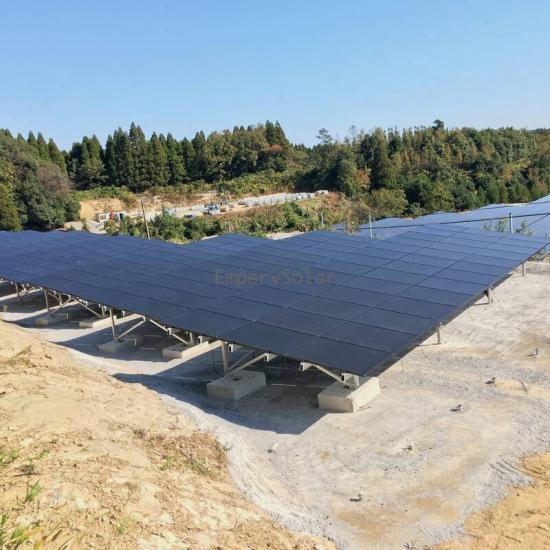
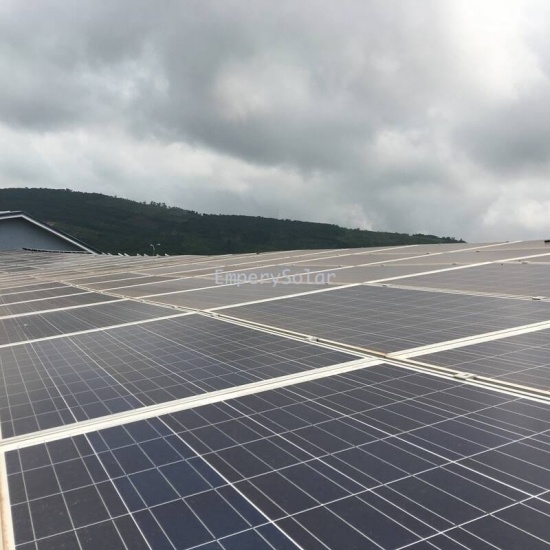
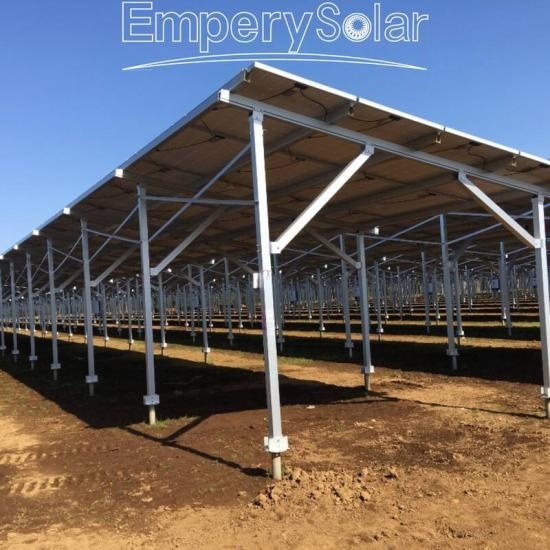
Ground mount solar racking systems play a crucial role in the deployment of solar energy solutions, particularly in large-scale installations. Unlike roof-mounted systems, ground mount solar racking allows for greater flexibility in placement and orientation, maximizing sunlight exposure. This adaptability makes it an excellent choice for commercial solar farms and residential properties with adequate land space.
One of the primary advantages of ground mount solar racking is its ability to accommodate larger solar panels. These systems can be engineered to support various panel sizes and configurations, enabling installers to customize the layout based on the specific energy needs and site characteristics. Additionally, ground mount systems can be adjusted for optimal tilt angles, ensuring panels capture the maximum amount of sunlight throughout the day. This adjustability not only enhances energy production but also allows for easier maintenance and cleaning compared to rooftop systems.
When considering ground mount solar racking, several factors must be taken into account. First, the type of soil and the geographical location can significantly influence the choice of racking system. For instance, rocky or uneven terrain may require specialized foundations or adjustable racking solutions to ensure stability and durability. Furthermore, local weather conditions, including wind loads and snow accumulation, should also be considered during the design phase to prevent potential damage and ensure long-term performance.
Another critical aspect of ground mount solar racking is its compatibility with various mounting techniques. For example, fixed-tilt racking systems are common for installations aiming to reduce costs, while tracking systems can be employed to maximize energy capture by following the sun's movement throughout the day. While tracking systems may incur higher upfront costs, they can significantly increase energy output, making them a worthwhile investment in many scenarios.
Environmental impact is also an important consideration. Ground mount solar racking systems can be designed to minimize land disturbance and preserve the surrounding ecosystem. Implementing strategies such as using permeable materials or incorporating vegetation can help maintain local biodiversity while optimizing energy production.
In conclusion, ground mount solar racking is a vital component in the solar energy landscape, offering numerous advantages in terms of efficiency, adaptability, and maintenance. By understanding the nuances of these systems and considering site-specific factors, stakeholders can make informed decisions that lead to successful solar energy projects. As the demand for renewable energy continues to grow, ground mount solar racking will remain a key element in harnessing the sun's power effectively and sustainably.
RELATED BLOG

EmperySolar Successfully Concludes Participation in IGEM 2026 Malaysia
Xiamen Empery Solar Technology Co., Ltd. successfully concluded its participation in the 2026 International Greentech & Eco Products Exhibition & Conference Malaysia
View Details


Xiamen Empery Solar Technology Co.,Ltd.

Room 611, Quanyutong Business center, No.368, Xianhou She, Huli Districts. Xiamen,China.


Whatsapp : +86-13950145677


