

language
Product



News
Our company offers a comprehensive set of products in the industrial, commercial and
residential fields.
The Advantages of Fixed Tilt Ground Mount Systems for Solar Energy
Release time:
2026-03-10
---
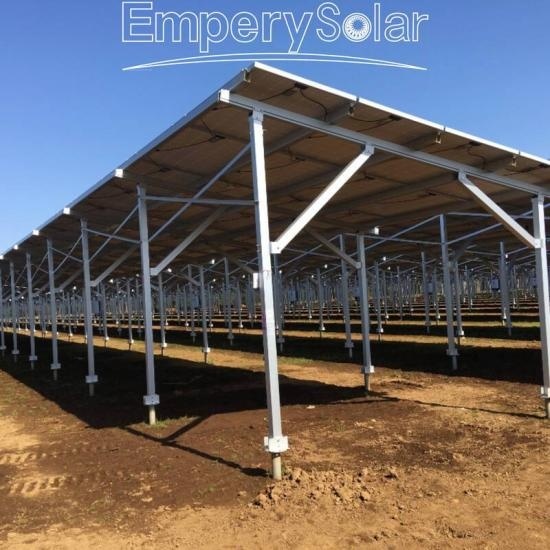
Fixed tilt ground mount systems are a popular choice in the solar energy sector, particularly for large-scale installations. These systems are designed to hold solar panels at a fixed angle, optimizing their exposure to sunlight throughout the day. While they may not be as adjustable as some tracking systems, fixed tilt ground mounts offer a range of advantages that can make them a valuable option for solar energy projects.
One of the primary benefits of fixed tilt ground mount systems is their simplicity and reliability. These structures are generally easier to design and install compared to more complex tracking systems, which require additional mechanical components and maintenance. This simplicity translates into lower installation costs and reduced long-term upkeep, making fixed tilt systems an attractive option for many solar energy developers.
Additionally, fixed tilt systems can be more durable than their tracking counterparts. The absence of moving parts means there is less risk of mechanical failure. This reliability is crucial, especially in areas that experience extreme weather conditions, as fixed tilt mounts are less likely to suffer damage from high winds or snow load. Their robust design ensures that solar panels remain securely in place, maximizing energy production over their lifespan.
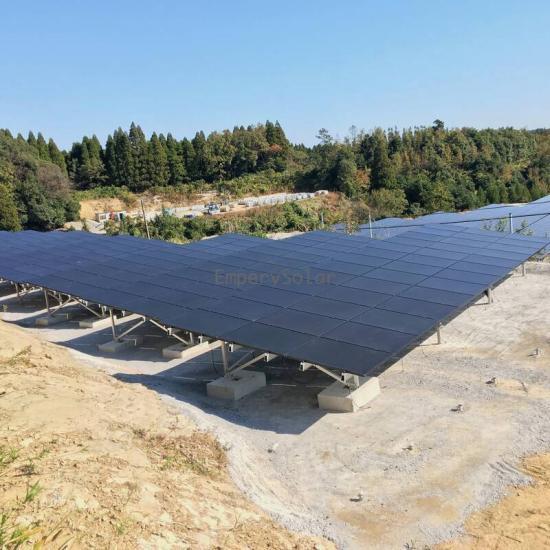
Another significant advantage is the land use efficiency of fixed tilt ground mount systems. These systems can be installed in a variety of terrains and are suitable for large, open spaces. By utilizing land that may not be ideal for other agricultural or commercial uses, fixed tilt systems can effectively convert unused land into productive solar energy generation sites. They can also be designed to coexist with agricultural practices, allowing for dual land use where crops can be grown alongside solar arrays.
Moreover, fixed tilt ground mount systems can maximize energy capture during peak solar hours. By positioning solar panels at an optimal angle for the location, these systems can enhance the overall efficiency of solar energy generation. Depending on the geographical location, the tilt angle can be adjusted to maximize solar exposure during specific seasons, further improving energy production.
In conclusion, fixed tilt ground mount systems represent a reliable, cost-effective solution for solar energy installations. Their simplicity, durability, and efficient land use make them an excellent choice for many renewable energy projects. By understanding the advantages of these systems, stakeholders in the solar industry can make informed decisions that enhance the efficiency and sustainability of their energy solutions. Whether for residential, commercial, or utility-scale applications, fixed tilt systems continue to be a tried and true option in the quest for cleaner energy.
Fixed tilt ground mount systems are a popular choice in the solar energy sector, particularly for large-scale installations. These systems are designed to hold solar panels at a fixed angle, optimizing their exposure to sunlight throughout the day. While they may not be as adjustable as some tracking systems, fixed tilt ground mounts offer a range of advantages that can make them a valuable option for solar energy projects.
One of the primary benefits of fixed tilt ground mount systems is their simplicity and reliability. These structures are generally easier to design and install compared to more complex tracking systems, which require additional mechanical components and maintenance. This simplicity translates into lower installation costs and reduced long-term upkeep, making fixed tilt systems an attractive option for many solar energy developers.
Additionally, fixed tilt systems can be more durable than their tracking counterparts. The absence of moving parts means there is less risk of mechanical failure. This reliability is crucial, especially in areas that experience extreme weather conditions, as fixed tilt mounts are less likely to suffer damage from high winds or snow load. Their robust design ensures that solar panels remain securely in place, maximizing energy production over their lifespan.
Another significant advantage is the land use efficiency of fixed tilt ground mount systems. These systems can be installed in a variety of terrains and are suitable for large, open spaces. By utilizing land that may not be ideal for other agricultural or commercial uses, fixed tilt systems can effectively convert unused land into productive solar energy generation sites. They can also be designed to coexist with agricultural practices, allowing for dual land use where crops can be grown alongside solar arrays.
Moreover, fixed tilt ground mount systems can maximize energy capture during peak solar hours. By positioning solar panels at an optimal angle for the location, these systems can enhance the overall efficiency of solar energy generation. Depending on the geographical location, the tilt angle can be adjusted to maximize solar exposure during specific seasons, further improving energy production.
In conclusion, fixed tilt ground mount systems represent a reliable, cost-effective solution for solar energy installations. Their simplicity, durability, and efficient land use make them an excellent choice for many renewable energy projects. By understanding the advantages of these systems, stakeholders in the solar industry can make informed decisions that enhance the efficiency and sustainability of their energy solutions. Whether for residential, commercial, or utility-scale applications, fixed tilt systems continue to be a tried and true option in the quest for cleaner energy.
RELATED BLOG

Meet Empery Solar at the 18th Solar PV & Energy Storage World Expo
Visit Empery Solar at Booth 10.2 Hall B592 in Guangzhou from September 16–18, 2026, to explore reliable solar mounting solutions.
View Details


Xiamen Empery Solar Technology Co.,Ltd.

Room 611, Quanyutong Business center, No.368, Xianhou She, Huli Districts. Xiamen,China.


Whatsapp : +86-13950145677


