

language
Product



News
Our company offers a comprehensive set of products in the industrial, commercial and
residential fields.
Why Ground Mount Solar Racking is Ideal for Large-Scale Installations
Release time:
2026-03-13
Why Ground Mount Solar Racking is Ideal for Large-Scale Installations
Table of Contents
- Introduction to Ground Mount Solar Racking
- Advantages of Ground Mount Solar Racking
- Improved Energy Efficiency
- Enhanced Durability and Longevity
- Cost-Effectiveness of Ground Mount Systems
- Design Options for Ground Mount Solar Racking
- Considerations for Installation
- Successful Case Studies of Ground Mount Installations
- Challenges and Solutions in Ground Mount Solar Racking
- Future Trends in Ground Mount Solar Racking
- Conclusion
- Frequently Asked Questions
Introduction to Ground Mount Solar Racking
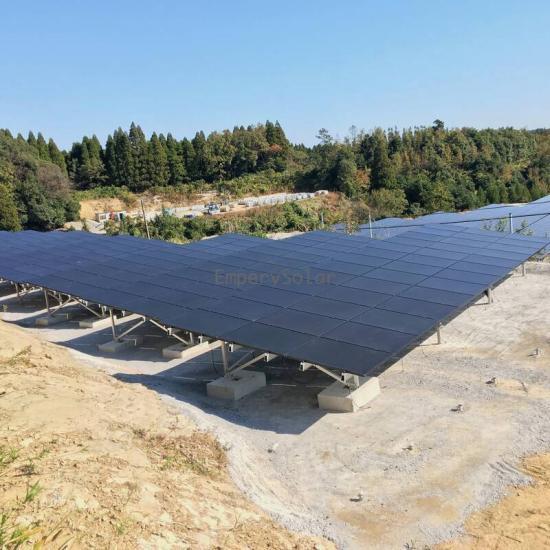
Ground mount solar racking systems have emerged as a quintessential choice for large-scale solar installations. Unlike rooftop systems, ground mount systems provide ample space for solar panels, ensuring maximum exposure to sunlight. This article explores why ground mount solar racking is not only ideal but also essential for optimizing the performance and returns of large solar projects.
Advantages of Ground Mount Solar Racking
Improved Energy Efficiency
One of the primary advantages of ground mount solar racking is its potential for enhanced energy efficiency. By placing solar panels on the ground, installers can optimize the angle and orientation of each panel to capture maximum sunlight. This flexibility leads to:
- **Higher energy output:** Ground mount systems can be adjusted for optimal tilt, ensuring panels receive direct sunlight throughout the day.
- **Reduced shading issues:** By elevating the panels above the ground, shading from nearby trees or buildings can be minimized.
Enhanced Durability and Longevity
Ground mount solar racking systems are designed to withstand harsh weather conditions, making them highly durable. Key factors contributing to their longevity include:
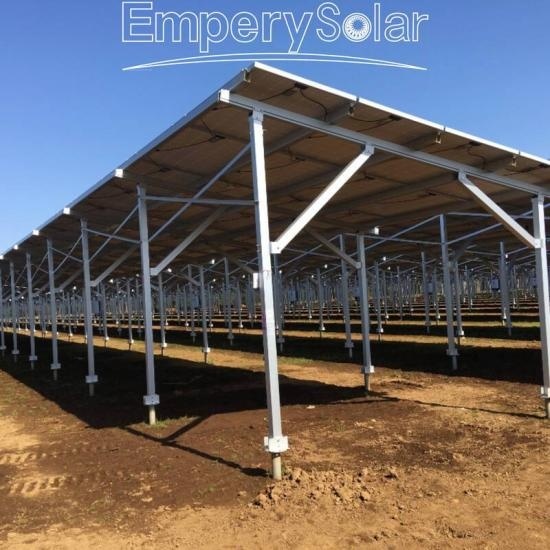
- **Robust materials:** Most ground mount systems are constructed from galvanized steel or aluminum, which resist corrosion and rust.
- **Stability:** These systems are anchored into the ground, providing stability against high winds and extreme weather events, thereby reducing maintenance costs over time.
Cost-Effectiveness of Ground Mount Systems
Ground mount solar racking systems often prove more cost-effective in the long run due to several factors:
- **Lower installation costs:** Although the initial investment might be higher than rooftop systems, ground mounts can be installed more quickly, reducing labor costs.
- **Increased efficiency:** The ability to optimize panel layout can lead to higher energy production, allowing for quicker return on investment.
Design Options for Ground Mount Solar Racking
Ground mount solar racking systems come in various designs, each tailored to meet specific project requirements.
Fixed Tilt Systems
Fixed tilt systems are designed to maintain a consistent angle throughout the year. Benefits include:
- **Simplicity:** Fixed systems are easier to install and maintain.
- **Cost-effectiveness:** They typically require fewer components, lowering overall system costs.
Tracking Systems
Tracking systems can move throughout the day to follow the sun’s path, maximizing solar energy capture. Advantages include:
- **Increased energy production:** These systems can boost energy output by up to 25% compared to fixed systems.
- **Adaptability:** Tracking systems can be designed to accommodate various terrains and conditions.
Considerations for Installation
Successful installation of ground mount solar racking requires careful planning and consideration.
Site Selection and Preparation
Choosing the right site for ground mount installations involves:
- **Assessing land quality:** Ensure the land is suitable for installation and can support the necessary structures.
- **Environmental impact:** Conduct environmental assessments to minimize damage to local ecosystems.
Regulatory Compliance and Permitting
Navigating local regulations and securing necessary permits is crucial. Key considerations include:
- **Zoning laws:** Ensure compliance with local zoning regulations, which may impact installation.
- **Building codes:** Follow building codes to ensure safety and durability of your solar racking system.
Successful Case Studies of Ground Mount Installations
Examining successful implementations of ground mount solar racking can provide valuable insights. For example, a large-scale installation in California has achieved:
- **Significant energy production:** The site generates enough electricity to power thousands of homes.
- **Community benefits:** By investing in local infrastructure, the project has created jobs and stimulated economic growth.
Challenges and Solutions in Ground Mount Solar Racking
While ground mount solar racking systems offer numerous benefits, they also come with challenges:
- **Initial costs:** The upfront investment can be substantial. However, financing options and incentives can alleviate this burden.
- **Land use:** Ground mount systems require significant land, which may raise concerns about land use and habitat disruption. Solutions include selecting previously disturbed land or integrating solar farms with agriculture (agrivoltaics).
Future Trends in Ground Mount Solar Racking
The future of ground mount solar racking is promising, with emerging trends such as:
- **Smart technology integration:** Integrating IoT technology for real-time monitoring and performance optimization.
- **Sustainable materials:** An increasing focus on using recycled and eco-friendly materials for construction.
Conclusion
Ground mount solar racking systems present an ideal solution for large-scale solar installations. Their potential for improved energy efficiency, enhanced durability, cost-effectiveness, and flexible design options make them a preferred choice for maximizing solar energy production. As the solar industry continues to advance, embracing ground mount systems will be pivotal in driving sustainable energy solutions and achieving greater energy independence.
Frequently Asked Questions
1. What are the primary advantages of ground mount solar racking systems?
Ground mount systems offer improved energy efficiency, enhanced durability, and cost-effectiveness compared to other solar installation options.
2. How do fixed tilt and tracking ground mount systems differ?
Fixed tilt systems maintain a consistent angle, while tracking systems follow the sun’s path for optimal energy capture, potentially increasing energy output.
3. What factors should be considered when selecting a site for ground mount installations?
Key factors include land quality, environmental impact, and compliance with zoning and building regulations.
4. What are the initial costs associated with ground mount solar racking systems?
While the upfront costs can be higher than rooftop systems, the investment can lead to lower maintenance and operational costs over time.
5. How can challenges related to land use for ground mount systems be addressed?
Solutions include using previously disturbed land and exploring agrivoltaic options to combine solar energy production with agricultural activities.
RELATED BLOG

Meet Empery Solar at the 18th Solar PV & Energy Storage World Expo
Visit Empery Solar at Booth 10.2 Hall B592 in Guangzhou from September 16–18, 2026, to explore reliable solar mounting solutions.
View Details


Xiamen Empery Solar Technology Co.,Ltd.

Room 611, Quanyutong Business center, No.368, Xianhou She, Huli Districts. Xiamen,China.


Whatsapp : +86-13950145677


