

Product




News
Our company offers a comprehensive set of products in the industrial, commercial and
residential fields.
Fixed Tilt Ground Mount Systems: The Optimal Solution for Efficient Solar Power Generation
Release time:
2026-03-15
Fixed Tilt Ground Mount Systems: The Optimal Solution for Efficient Solar Power Generation
Solar energy has emerged as a leading solution for sustainable power generation, and among the various methods of harnessing solar energy, **Fixed Tilt Ground Mount Systems** stand out as a reliable and efficient choice. These systems are designed to maximize energy capture while minimizing installation and maintenance costs, making them ideal for both residential and commercial applications. In this article, we will delve deep into the components, advantages, and considerations of Fixed Tilt Ground Mount Systems, providing a comprehensive guide for anyone interested in exploring solar power generation.
Table of Contents
- What Are Fixed Tilt Ground Mount Systems?
- Benefits of Fixed Tilt Ground Mount Systems
- How Fixed Tilt Systems Work
- The Installation Process of Fixed Tilt Ground Mount Systems
- Maintenance and Care for Fixed Tilt Ground Mount Systems
- Cost Analysis of Fixed Tilt Ground Mount Systems
- Common Misconceptions About Fixed Tilt Ground Mount Systems
- The Future of Solar Technology and Fixed Tilt Ground Mount Systems
- FAQs on Fixed Tilt Ground Mount Systems
What Are Fixed Tilt Ground Mount Systems?
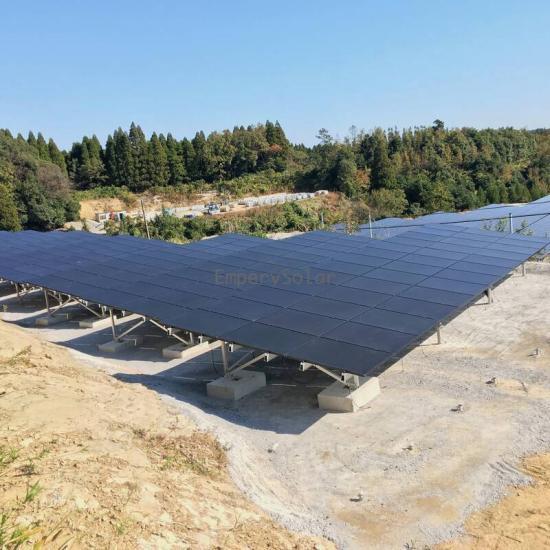
Fixed Tilt Ground Mount Systems are solar panel mounting structures that remain at a fixed angle, allowing solar panels to capture sunlight throughout the day without the need for moving parts. These systems are typically installed on the ground and are designed to endure various weather conditions while providing a stable platform for solar panels. The angle of tilt is generally optimized to maximize solar exposure, anchoring the solar panels securely for effective energy generation.
Components of Fixed Tilt Ground Mount Systems
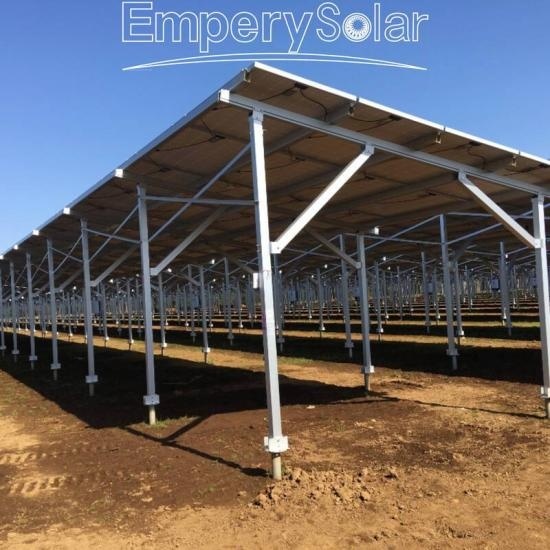
Understanding the components of Fixed Tilt Ground Mount Systems is crucial for appreciating their functionality:
- Ground Rails: These provide the foundational structure for the solar panels.
- Mounting Brackets: These connect the solar panels to the ground rails at a fixed angle.
- Anchors: These secure the system to the ground, preventing movement due to wind or other environmental factors.
- Solar Panels: The core component that converts sunlight into electricity.
Benefits of Fixed Tilt Ground Mount Systems
Fixed Tilt Ground Mount Systems offer numerous advantages that make them an appealing choice for solar power generation:
1. Cost-Effectiveness
These systems typically require less complex installation compared to tracking systems, leading to lower upfront costs. Once installed, they also require minimal maintenance, contributing to long-term savings on energy costs.
2. Durability and Stability
Fixed Tilt Ground Mount Systems are engineered to withstand harsh weather conditions, including high winds and heavy snow loads. Their robust construction ensures longevity and reliability.
3. Optimized Energy Production
By maintaining a fixed angle optimized for location, these systems can effectively capture sunlight throughout different seasons, ensuring consistent energy production.
4. Simple Installation
With fewer moving parts, the installation of Fixed Tilt Ground Mount Systems is straightforward, reducing the time and labor involved compared to more complex solar mounting solutions.
5. Versatility
These systems are adaptable for various terrains, allowing installation in diverse environments, from residential backyards to commercial fields.
How Fixed Tilt Systems Work
The operational efficiency of Fixed Tilt Ground Mount Systems lies in their design and fixed angle of tilt. By positioning solar panels at an angle that is optimal for capturing sunlight—typically between 30 to 45 degrees—these systems maximize exposure during peak sunlight hours.
Solar Radiation Capture
Solar panels convert sunlight into electrical energy through photovoltaic cells. The fixed position of the panels ensures they receive direct sunlight for a significant portion of the day, enhancing overall energy output.
Energy Conversion Process
Once sunlight hits the panels, the photovoltaic cells generate direct current (DC) electricity. An inverter then converts this DC electricity into alternating current (AC), making it usable for household or commercial electrical systems.
The Installation Process of Fixed Tilt Ground Mount Systems
Installing Fixed Tilt Ground Mount Systems involves several critical steps to ensure optimal performance and longevity:
1. Site Assessment
A thorough site assessment is essential to determine the best location for installation, considering factors such as sunlight exposure, soil type, and local regulations.
2. Ground Preparation
The area must be cleared of obstructions and leveled to provide a stable foundation for the mounting system. This stage may involve excavation or grading, depending on the terrain.
3. Anchor Installation
Anchors are installed into the ground to provide stability and prevent movement. The depth and type of anchors depend on soil conditions and local weather patterns.
4. Assembly of Mounting Structure
The ground rails and brackets are assembled and securely attached to the anchors, creating a framework for the solar panels.
5. Panel Installation
Finally, the solar panels are mounted onto the brackets, ensuring they are positioned at the fixed, optimal angle for sunlight exposure.
Maintenance and Care for Fixed Tilt Ground Mount Systems
Maintaining Fixed Tilt Ground Mount Systems is crucial for ensuring long-term efficiency and performance. While these systems typically require less maintenance than tracking systems, some regular care is necessary:
1. Regular Inspections
Periodic inspections should be conducted to check for any signs of wear, damage, or loosening of components. Early detection of issues can prevent more significant problems down the line.
2. Cleaning Solar Panels
Dust, debris, and bird droppings can accumulate on solar panels, diminishing their efficiency. Regular cleaning, especially after significant weather events, will help maintain optimal energy production.
3. Monitoring System Performance
Utilizing monitoring systems can help track energy production and identify any potential issues. Monitoring tools can provide valuable insights into system performance, allowing for timely interventions.
Cost Analysis of Fixed Tilt Ground Mount Systems
Understanding the financial aspects of Fixed Tilt Ground Mount Systems is key for potential investors. Here’s a breakdown of the primary costs associated with these systems:
1. Initial Installation Costs
The costs for purchasing and installing a Fixed Tilt Ground Mount System can vary based on the size of the installation, choice of solar panels, and labor costs. However, on average, these installations are less expensive than tracking systems due to their simpler design.
2. Long-term Savings
Fixed Tilt systems can lead to substantial long-term savings on energy bills, especially with incentives such as tax credits and rebates for solar energy systems. Over time, the initial investment can yield a significant return.
3. Maintenance Costs
While maintenance costs are generally low, budgeting for regular inspections and cleaning is essential to ensure the longevity of the system. The overall maintenance costs tend to be lower than those for tracking systems.
Common Misconceptions About Fixed Tilt Ground Mount Systems
Several misconceptions surround Fixed Tilt Ground Mount Systems that can deter potential solar energy users:
1. Limited Efficiency
Many believe that fixed systems are less efficient than tracking systems, but with proper tilt angles, they can produce comparable energy outputs for many applications.
2. Higher Maintenance Requirements
Another common myth is that fixed systems require extensive maintenance. In reality, they often necessitate minimal upkeep compared to more complex systems.
3. Poor Aesthetic Appeal
Some individuals avoid ground-mounted systems due to aesthetic concerns. However, advancements in design and installation techniques have mitigated these issues, leading to more visually appealing solutions.
The Future of Solar Technology and Fixed Tilt Ground Mount Systems
The future of solar technology looks promising, with continuous advancements enhancing the performance and efficiency of Fixed Tilt Ground Mount Systems. Innovations in materials, design, and energy storage will further optimize these systems, making them an even more attractive option for solar power generation.
Emerging Trends
As technology progresses, we can expect increased integration of smart technology, allowing for better monitoring and management of solar energy production. Additionally, renewable energy policies are likely to support the growth of solar installations, making Fixed Tilt Ground Mount Systems a key player in sustainable energy solutions.
FAQs on Fixed Tilt Ground Mount Systems
1. What is the ideal tilt angle for fixed tilt ground mount systems?
The optimal tilt angle typically ranges from 30 to 45 degrees, depending on geographical location and climate considerations.
2. How long do Fixed Tilt Ground Mount Systems last?
With proper maintenance, these systems can last 25 years or more, similar to solar panels.
3. Can Fixed Tilt Ground Mount Systems be installed on uneven terrain?
Yes, they can be adapted for uneven terrain with appropriate groundwork and leveling techniques.
4. Is it necessary to clean the solar panels regularly?
While not mandatory, regular cleaning is recommended to maintain efficiency, especially in dusty areas.
5. Are there any government incentives for installing Fixed Tilt Ground Mount Systems?
Many regions offer tax credits, rebates, or grants for solar systems, including Fixed Tilt Ground Mount Systems. It's advisable to check local regulations for available incentives.
Conclusion
Fixed Tilt Ground Mount Systems represent an ideal solution for efficient solar power generation. Their cost-effectiveness, durability, and ease of installation make them suitable for a wide range of applications. By understanding their components, advantages, and maintenance needs, individuals and businesses can make informed decisions about embracing solar technology. As advancements continue to shape the future of solar energy, Fixed Tilt Ground Mount Systems will remain at the forefront, paving the way for a sustainable energy landscape.
RELATED BLOG

Meet Empery Solar at the 18th Solar PV & Energy Storage World Expo
Visit Empery Solar at Booth 10.2 Hall B592 in Guangzhou from September 16–18, 2026, to explore reliable solar mounting solutions.
View Details


Xiamen Empery Solar Technology Co.,Ltd.

Room 611, Quanyutong Business center, No.368, Xianhou She, Huli Districts. Xiamen,China.


Whatsapp : +86-13950145677


