

Product



News
Our company offers a comprehensive set of products in the industrial, commercial and
residential fields.
Transform Your Parking Space with a Steel Structure Solar Carport: The Ultimate Guide to Sustainable Energy Solutions
Release time:
2026-03-17
Transform Your Parking Space with a Steel Structure Solar Carport
In an era where sustainability and energy efficiency are paramount, the traditional parking space is evolving. One innovative solution gaining traction is the **steel structure solar carport**. This versatile installation not only provides shelter for your vehicles but also harnesses the power of the sun, creating a dual-purpose structure that can significantly reduce energy costs. In this article, we will explore the myriad benefits of solar carports, the installation process, and why they are becoming an essential component in modern energy solutions.
Table of Contents
- What is a Solar Carport?
- Advantages of Steel Structure Solar Carports
- Installation Process of Solar Carports
- Cost Analysis and Return on Investment
- Maintenance of Solar Carports
- Solar Carport Designs and Customization
- Environmental Impact and Sustainability
- Frequently Asked Questions
- Conclusion
What is a Solar Carport?
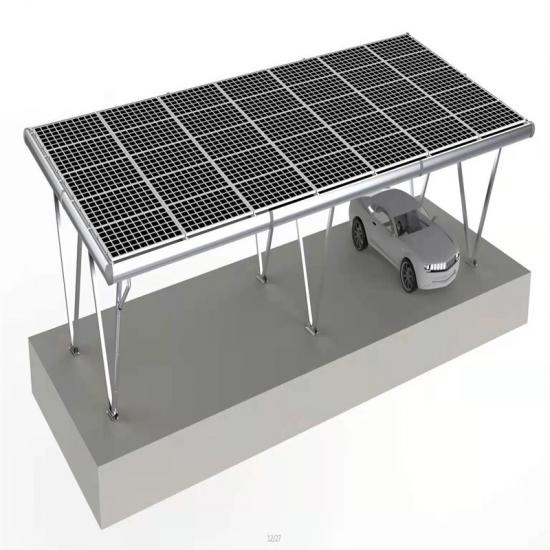
A **solar carport** is essentially a structure designed to provide shelter for vehicles while integrating solar photovoltaic (PV) panels on its roof. Unlike traditional carports, which are solely for parking, solar carports are engineered to generate electricity from sunlight. The steel structure ensures durability and longevity, making them an excellent investment for both residential and commercial properties.
The Structure of a Solar Carport
The framework of a solar carport is typically made from galvanized steel, which offers resilience against harsh weather conditions. These structures can be freestanding or attached to existing buildings, and their height and size can be customized to accommodate different vehicles, from compact cars to larger trucks.
Benefits of a Steel Structure
Choosing a **steel structure** for your solar carport has multiple advantages. Steel is known for its strength and ability to withstand extreme weather conditions, thus providing a safe and reliable shelter for your vehicles. Furthermore, it requires minimal maintenance compared to wooden structures, making it a cost-effective solution in the long run.
Advantages of Steel Structure Solar Carports
The benefits of installing a **steel structure solar carport** extend beyond simple vehicle protection. Here are several compelling advantages:
1. Renewable Energy Generation
One of the primary benefits of solar carports is their ability to produce clean, renewable energy. By harnessing sunlight, you can significantly lower your electricity bills and reduce your carbon footprint.
2. Space Optimization
A solar carport makes excellent use of existing parking space, transforming it into an energy-generating area. This is particularly beneficial for urban settings where land is limited.
3. Protection from Elements
Your vehicles are protected from rain, hail, snow, and UV rays. This protection helps to prolong the lifespan of your vehicles and reduces the need for frequent maintenance.
4. Increased Property Value
Having a solar carport can enhance the overall value of your property. It appeals to environmentally conscious buyers and can be an attractive feature during the sale of a home.
5. Potential for Energy Storage
Integrating battery storage systems with your solar carport allows you to store excess energy generated during the day for use at night or during power outages. This enhances your energy independence and reliability.
Installation Process of Solar Carports
Installing a solar carport involves several steps to ensure the structure is safe, efficient, and compliant with local regulations. Here’s a breakdown of the process:
1. Site Assessment
The first step is to conduct a thorough site assessment. This involves evaluating the available space, local climate conditions, and any zoning regulations that may affect the project.
2. Design and Planning
Once the site is assessed, the design process begins. This includes determining the dimensions of the carport, the angle of the solar panels for optimal sunlight exposure, and any customization options.
3. Permitting
Before installation can commence, obtaining the necessary permits from local authorities is essential. This ensures that the project meets all building codes and regulations.
4. Construction
Upon receiving the permits, construction can begin. This involves erecting the steel structure, installing the solar panels, and connecting the system to the electrical grid.
5. Inspection and Activation
After installation, a final inspection is conducted to ensure everything is up to code. Once approved, the solar carport can be activated, and you can start enjoying the benefits of renewable energy.
Cost Analysis and Return on Investment
Understanding the financial implications of installing a **steel structure solar carport** is crucial for making an informed decision. Here’s a detailed look at the costs involved and the potential return on investment (ROI).
1. Initial Costs
The initial investment for a solar carport includes the cost of materials, labor, and permits. On average, a solar carport can range from $10,000 to $30,000 depending on size, specifications, and solar panel quality.
2. Long-term Savings
Solar carports can significantly reduce electricity bills. Depending on local energy rates and the size of the solar installation, homeowners can save thousands over the lifespan of the system—often more than the initial investment.
3. Tax Incentives
Many regions offer tax incentives and rebates for installing solar energy systems. It is essential to research local programs that can help offset the initial costs and improve ROI.
4. Payback Period
The payback period for a solar carport typically ranges from 5 to 10 years. After this period, the energy generated becomes essentially free, providing substantial savings in the long run.
Maintenance of Solar Carports
Maintaining your solar carport ensures its longevity and efficiency. Here are some essential maintenance practices:
1. Regular Inspections
Conduct regular inspections of the structure and solar panels to identify any potential issues, such as debris accumulation or physical damage.
2. Cleaning
Keep the solar panels clean to maximize their efficiency. A simple rinse with water and gentle soap can remove dust and dirt that may block sunlight.
3. Electrical Maintenance
Having a licensed electrician periodically check the electrical connections and system performance can prevent issues and ensure optimal energy production.
Solar Carport Designs and Customization
Solar carports come in various designs and can be customized to fit your aesthetic and functional needs. Here are some popular design options:
1. Flat Roof Carports
Flat roof designs are ideal for maximizing solar panel installation. They allow for versatile spacing and can be easily integrated with other structures.
2. Gabled Roof Carports
These designs provide a classic look while allowing for optimal sunlight exposure on both sides of the roof. Gabled carports can enhance property aesthetics.
3. Multi-Vehicle Carports
For households with multiple vehicles, multi-vehicle designs provide ample coverage while generating substantial solar energy.
Environmental Impact and Sustainability
Solar carports significantly contribute to environmental sustainability. By utilizing solar energy, they help reduce greenhouse gas emissions, decrease reliance on fossil fuels, and promote a cleaner environment. Additionally, the use of durable materials such as steel minimizes waste and promotes recycling, further enhancing the sustainability of your investment.
Frequently Asked Questions
1. How much energy can a solar carport generate?
The energy generation capacity depends on the size of the solar panels installed and the amount of sunlight received in your area. On average, a solar carport can produce anywhere from 5 kW to 20 kW.
2. What is the lifespan of a solar carport?
With proper maintenance, a solar carport can last between 25 to 30 years, with the solar panels often having warranties of 20 to 25 years.
3. Can a solar carport be installed in any location?
Most locations are suitable for solar carports, but it is essential to conduct a site assessment to ensure adequate sunlight exposure and compliance with local regulations.
4. Are there financing options available for solar carports?
Yes, many companies offer financing options, including solar loans, leases, and power purchase agreements (PPAs) to make solar carports more accessible.
5. Do solar carports require much maintenance?
Solar carports require minimal maintenance. Regular inspections and occasional cleaning are typically sufficient to ensure optimal performance.
Conclusion
Transforming your parking space with a **steel structure solar carport** is not just a smart investment; it’s a step towards a sustainable future. By harnessing solar energy, you can protect your vehicles, reduce energy costs, and contribute to environmental conservation. As the demand for renewable energy solutions grows, solar carports stand out as a practical and efficient option for homeowners and businesses alike. Embrace this innovative solution today, and join the movement towards a greener, more sustainable future.
RELATED BLOG

EmperySolar Successfully Concludes Participation in IGEM 2026 Malaysia
Xiamen Empery Solar Technology Co., Ltd. successfully concluded its participation in the 2026 International Greentech & Eco Products Exhibition & Conference Malaysia
View Details


Xiamen Empery Solar Technology Co.,Ltd.

Room 611, Quanyutong Business center, No.368, Xianhou She, Huli Districts. Xiamen,China.


Whatsapp : +86-13950145677


