

language
Product



News
Our company offers a comprehensive set of products in the industrial, commercial and
residential fields.
Understanding Ground Mount Solar Racking: A Key Component in Solar Energy Systems
Release time:
2026-03-18
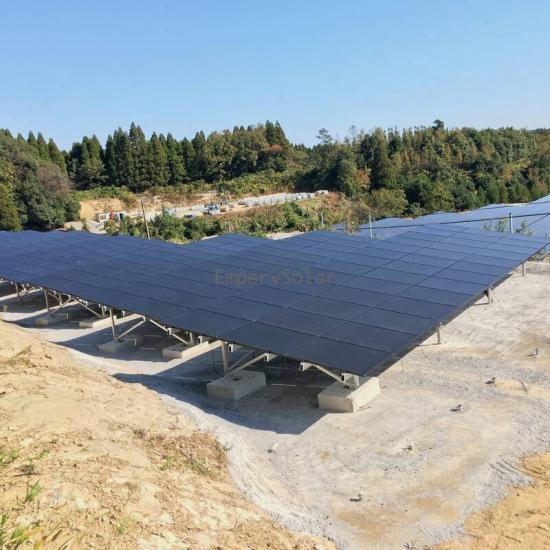
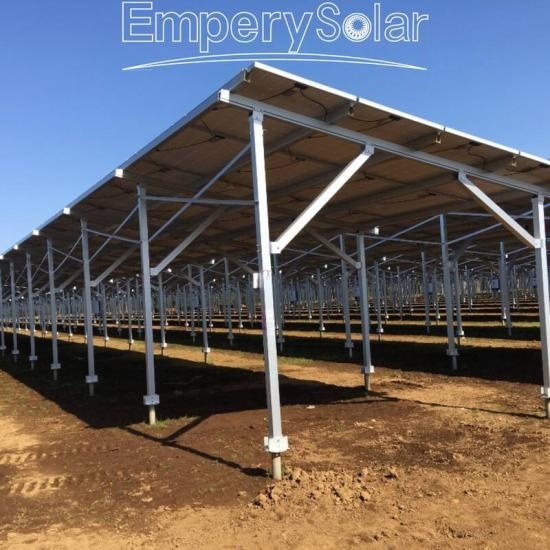
Ground mount solar racking refers to the structures that support solar panels when they are installed on the ground rather than on rooftops. This type of racking is essential for large-scale solar energy systems, typically found in solar farms or commercial installations. Ground mount systems are designed to optimize the angle and orientation of solar panels, ensuring maximum sunlight exposure and energy capture.
One of the primary advantages of ground mount solar racking is its flexibility in design and configuration. Unlike rooftop installations, which are limited by the dimensions and orientation of the building, ground mount systems can be tailored to fit various land types and sizes. This adaptability allows for a more efficient layout that can optimize energy production. Additionally, it provides the opportunity to install larger solar arrays, which can significantly increase the overall energy output.
Another benefit of ground mount systems is ease of maintenance and access. Ground-mounted solar panels can be more accessible than rooftop panels, simplifying routine inspections, cleaning, and repairs. This ease of access can lead to improved system performance and longevity, as regular maintenance can be carried out without the complexities associated with rooftop installations.
When considering ground mount solar racking, it is essential to evaluate soil type and site conditions. The foundation for the racking system must be secure enough to withstand various environmental factors such as wind, snow loads, and seismic activity. Proper site assessment and engineering design are crucial to ensure stability and durability over time.
Furthermore, ground mount racking systems can incorporate advanced tracking technology. Single-axis or dual-axis trackers can adjust the angle of the solar panels throughout the day, following the sun’s path to enhance energy capture significantly compared to fixed installations. While implementing these tracking systems may require a more considerable initial investment, the potential increase in energy production can justify the costs over the system's lifespan.
In conclusion, ground mount solar racking is an integral component of modern solar energy systems, offering flexibility, ease of maintenance, and the potential for enhanced energy production. Understanding the various aspects of ground mount systems can help industry professionals make informed decisions that align with their solar project goals. By considering the site conditions, the potential for tracking technology, and the overall design, stakeholders can optimize their solar installations for long-term success.
RELATED BLOG

EmperySolar Successfully Concludes Participation in IGEM 2026 Malaysia
Xiamen Empery Solar Technology Co., Ltd. successfully concluded its participation in the 2026 International Greentech & Eco Products Exhibition & Conference Malaysia
View Details


Xiamen Empery Solar Technology Co.,Ltd.

Room 611, Quanyutong Business center, No.368, Xianhou She, Huli Districts. Xiamen,China.


Whatsapp : +86-13950145677


