

language
Product






News
Our company offers a comprehensive set of products in the industrial, commercial and
residential fields.
The Role of Fixed Tilt Ground Mount Systems in Sustainable Energy Practices
Release time:
2026-03-25
The Role of Fixed Tilt Ground Mount Systems in Sustainable Energy Practices
Introduction to Fixed Tilt Ground Mount Systems
In recent years, the push for sustainable energy practices has gained significant momentum. Among the various technologies supporting this transition, **fixed tilt ground mount systems** have emerged as a reliable choice for solar energy installations. Unlike traditional rooftop solar panels, these systems are installed on the ground, providing several advantages in terms of efficiency and energy output.
Understanding Fixed Tilt Ground Mount Systems
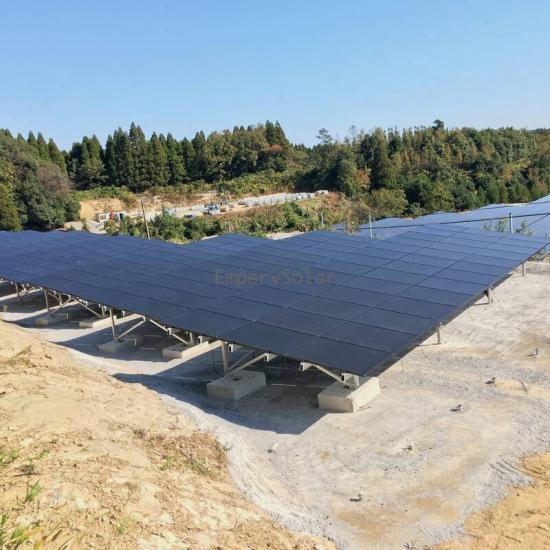
To appreciate the role of fixed tilt ground mount systems in sustainable energy, it's essential to understand what they are. These systems consist of solar panels mounted on a fixed structure that is tilted at a specific angle to optimize sunlight exposure. This design is particularly advantageous in regions with high solar insolation, maximizing energy production throughout the year.
How Fixed Tilt Ground Mount Systems Work
Fixed tilt ground mount systems are engineered to capture sunlight effectively. The angle of tilt is usually determined by geographic location and seasonal sun paths. By maintaining a fixed angle, these systems can optimize solar exposure, generating more energy compared to flat-mounted systems. Here’s a closer look at how they operate:
1. **Solar Panels**: The system features high-efficiency solar panels that convert sunlight into electricity.
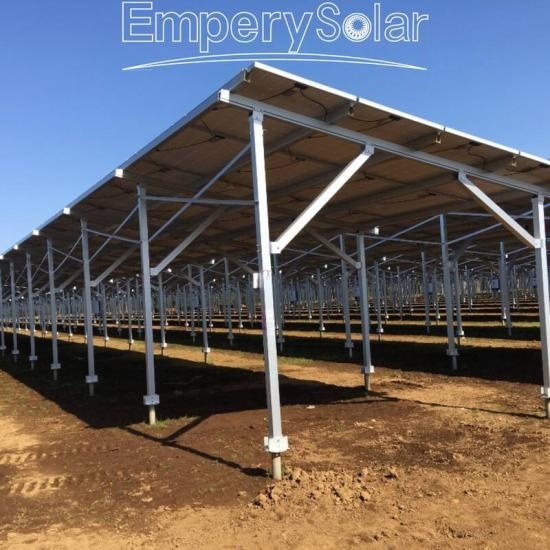
2. **Mounting Structure**: The mounting structure is designed to withstand various weather conditions while ensuring stability and longevity.
3. **Inverter System**: An inverter converts the direct current (DC) generated by the solar panels into alternating current (AC) usable by homes and businesses.
Advantages of Fixed Tilt Ground Mount Systems
Fixed tilt ground mount systems offer several advantages that make them a preferred option for sustainable energy initiatives. Let’s explore these benefits in detail.
1. Enhanced Energy Production
One of the primary benefits of fixed tilt ground mount systems is their ability to produce more energy. By optimizing the angle of tilt, these systems can capture more sunlight, particularly during peak hours. This increased energy yield translates to higher efficiency and faster returns on investment.
2. Cost-Effectiveness
Fixed tilt systems are often more cost-effective than their tracking counterparts. While tracking systems adjust their position to follow the sun throughout the day, fixed tilt systems require less maintenance and installation complexity, reducing overall costs. This makes them an appealing option for both residential and commercial applications.
3. Simplified Installation
The installation of fixed tilt ground mount systems is generally more straightforward compared to other mounting systems. Ground-mounted solar panels can be installed on various terrains, allowing for better site flexibility. This flexibility means that property owners can choose optimal locations without being restricted by roof structures.
Applications of Fixed Tilt Ground Mount Systems
Fixed tilt ground mount systems can be utilized in a variety of applications, making them versatile solutions for energy production.
1. Residential Use
Homeowners can benefit from fixed tilt ground mount systems by installing solar panels on their properties to reduce electricity bills and minimize their carbon footprint. These systems can be positioned to maximize sunlight exposure, ensuring effective energy generation.
2. Commercial Installations
Businesses looking to adopt sustainable energy practices can leverage fixed tilt ground mount systems to power their operations. With the potential for large-scale installations, companies can significantly reduce their reliance on fossil fuels and contribute to a greener planet.
3. Utility-Scale Projects
Utility companies often deploy fixed tilt ground mount systems in solar farms. These large installations are designed to supply substantial amounts of energy to the grid, promoting the widespread adoption of renewable energy sources.
Installation Process of Fixed Tilt Ground Mount Systems
Understanding the installation process is crucial for ensuring optimal performance and longevity of fixed tilt ground mount systems. Here’s a step-by-step breakdown of how these systems are typically installed.
1. Site Assessment
Before installation, a thorough site assessment is conducted to evaluate the geographic location, solar potential, and terrain. This assessment helps determine the most effective tilt angle and positioning for the solar panels.
2. Design and Planning
Once the site assessment is complete, the design phase begins. Engineers create a detailed plan outlining the layout, tilt angle, and necessary materials for the installation.
3. Ground Preparation
The installation site must be prepared by clearing any obstructions and leveling the ground. This step ensures a stable foundation for the mounting structure.
4. Mounting Structure Installation
The mounting structure is installed next, anchored securely to the ground. This structure must be robust enough to withstand wind, snow, and other environmental factors.
5. Solar Panel Installation
With the mounting structure in place, solar panels are affixed according to the design specifications. Care is taken to ensure optimal spacing and alignment for maximum energy production.
6. Electrical Connections
The final step involves connecting the solar panels to the inverter and the grid. Proper wiring and electrical safety measures are essential during this phase to ensure functionality and safety.
The Environmental Impact of Fixed Tilt Ground Mount Systems
Switching to fixed tilt ground mount systems as part of a sustainable energy strategy has several positive environmental impacts.
1. Reduction of Greenhouse Gas Emissions
By utilizing solar energy, fixed tilt ground mount systems contribute to a significant reduction in greenhouse gas emissions. These systems help decrease reliance on fossil fuels, which are a primary source of pollution and climate change.
2. Conservation of Resources
The use of renewable energy sources like solar power conserves finite natural resources. By transitioning to solar energy, we can mitigate the depletion of coal, oil, and natural gas reserves.
3. Biodiversity Preservation
Fixed tilt ground mount systems can be installed on land that may not be suitable for agriculture or other purposes, helping to preserve biodiversity and natural habitats. This strategic placement ensures that valuable ecosystems remain intact.
The Future of Fixed Tilt Ground Mount Systems in Sustainable Energy
As we look toward the future, fixed tilt ground mount systems will play an increasingly vital role in the global shift toward renewable energy. Innovations in solar technology and materials will enhance the efficiency and affordability of these systems, making them accessible to a broader audience.
1. Technological Advancements
The solar industry is witnessing rapid advancements in technology, including the development of more efficient solar panels and improved mounting structures. These innovations will continue to boost the performance of fixed tilt ground mount systems.
2. Policy Support and Incentives
Government policies and incentives aimed at promoting renewable energy are key drivers of growth in the solar sector. These measures will encourage more individuals and businesses to adopt fixed tilt ground mount systems.
3. Community Engagement
Community awareness and engagement are crucial in the transition to sustainable energy practices. Education initiatives highlighting the benefits of fixed tilt ground mount systems will inspire more people to invest in solar energy solutions.
FAQs about Fixed Tilt Ground Mount Systems
1. What is a fixed tilt ground mount system?
A fixed tilt ground mount system is a solar panel installation anchored to the ground at a specific angle to maximize sunlight exposure.
2. How do fixed tilt ground mount systems compare to tracking systems?
Fixed tilt systems are generally more cost-effective and easier to install than tracking systems, which follow the sun's movement.
3. Can fixed tilt ground mount systems be installed on uneven terrain?
Yes, fixed tilt systems can be installed on uneven terrain by employing appropriate mounting techniques to ensure stability.
4. What are the maintenance requirements for fixed tilt ground mount systems?
Maintenance is minimal but includes regular inspections, cleaning of solar panels, and checking electrical connections to ensure optimal performance.
5. Are there financial incentives for installing fixed tilt ground mount systems?
Many governments and organizations offer tax credits, rebates, and other financial incentives to encourage the adoption of renewable energy systems.
Conclusion
Fixed tilt ground mount systems are pivotal in advancing sustainable energy practices. Their efficiency, cost-effectiveness, and environmental benefits make them an attractive option for homeowners, businesses, and utility-scale projects alike. As technology evolves and awareness grows, these systems will undoubtedly play a crucial role in shaping a sustainable energy future. By understanding and embracing the potential of fixed tilt ground mount systems, we can collectively contribute to a greener and more sustainable planet.
RELATED BLOG

EmperySolar Successfully Concludes Participation in IGEM 2026 Malaysia
Xiamen Empery Solar Technology Co., Ltd. successfully concluded its participation in the 2026 International Greentech & Eco Products Exhibition & Conference Malaysia
View Details


Xiamen Empery Solar Technology Co.,Ltd.

Room 611, Quanyutong Business center, No.368, Xianhou She, Huli Districts. Xiamen,China.


Whatsapp : +86-13950145677


