

language
Product



News
Our company offers a comprehensive set of products in the industrial, commercial and
residential fields.
How to Choose the Right Solar Mounting System for Your Home: A Comprehensive Guide
Release time:
2026-03-31
How to Choose the Right Solar Mounting System for Your Home
In recent years, the adoption of solar energy has surged, providing homeowners with an eco-friendly option to reduce energy costs and dependence on fossil fuels. However, a crucial component of any solar power system is the **solar mounting system**. Choosing the right solar mounting system can significantly impact the efficiency and longevity of your solar installation. In this guide, we will delve into various aspects of solar mounting systems, helping you make an informed decision for your home.
Table of Contents
1. Understanding Solar Mounting Systems
2. Types of Solar Mounting Systems
2.1 Fixed Mounts
2.2 Adjustable Mounts
2.3 Tracking Mounts
3. Factors to Consider When Choosing a Solar Mounting System
3.1 Roof Type and Structure
3.2 Installation Location
3.3 Local Weather Conditions
4. The Importance of Quality and Durability
5. Cost Considerations for Solar Mounting Systems
6. Professional Installation vs. DIY
7. Frequently Asked Questions (FAQs)
8. Conclusion
1. Understanding Solar Mounting Systems
A solar mounting system is a structure that supports solar panels and secures them in place to harness solar energy effectively. These systems play a vital role in optimizing the performance of solar panels by ensuring they are properly angled and positioned to capture maximum sunlight. Selecting the right system is essential for efficiency, safety, and longevity.
2. Types of Solar Mounting Systems
There are several types of solar mounting systems available, each designed to meet specific needs and conditions. Understanding these options will help you choose the best system for your application.
2.1 Fixed Mounts
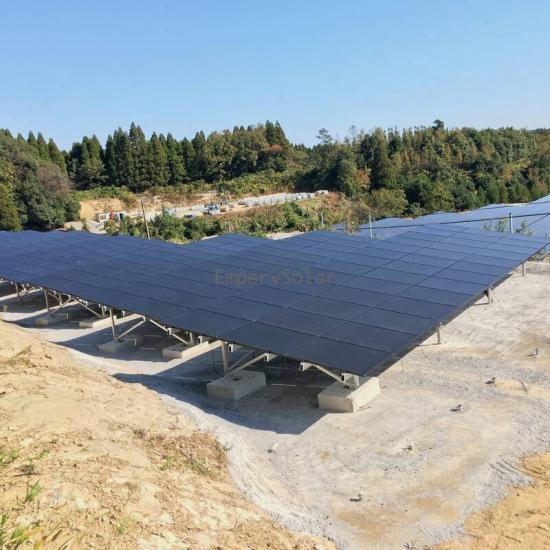
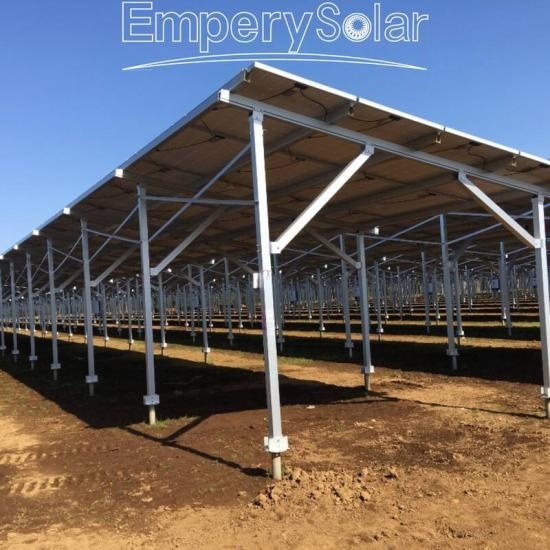
Fixed mounts are stationary structures that hold solar panels at a specific angle. They are the most common type of mounting system and are typically installed on rooftops or the ground. Fixed mounts offer simplicity and lower installation costs, making them an ideal choice for homeowners with limited budgets.
2.2 Adjustable Mounts
Adjustable mounts allow for changes in the angle of solar panels throughout the year. This flexibility can optimize energy production by aligning panels with the sun’s path. While they may come at a higher cost than fixed mounts, the increased energy output can offset these expenses, making them a worthwhile investment for many homeowners.
2.3 Tracking Mounts
Tracking mounts are advanced systems that automatically adjust the position of solar panels to follow the sun’s movement across the sky. These systems can significantly increase energy production, making them suitable for homeowners seeking maximum efficiency. However, they are more expensive and require more maintenance than fixed or adjustable mounts.
3. Factors to Consider When Choosing a Solar Mounting System
Selecting the right solar mounting system involves careful consideration of several factors. Here are the key elements to keep in mind:
3.1 Roof Type and Structure
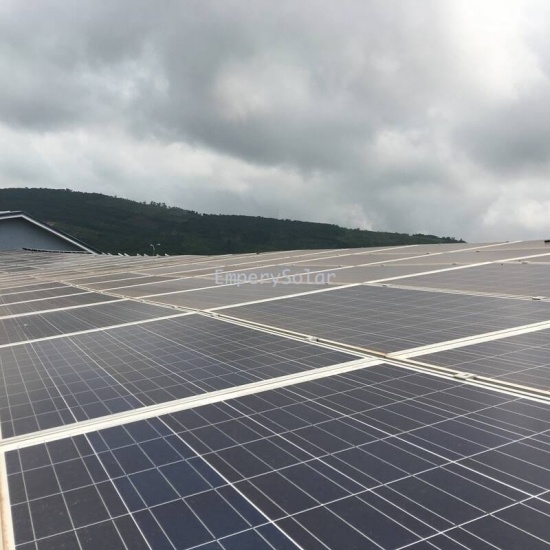
The type and condition of your roof are critical in determining the right mounting system. Asphalt shingles, metal roofs, and flat roofs each require different mounting solutions. Additionally, the structural integrity of your roof should be assessed to ensure it can support the weight of the solar panels and mounting system.
3.2 Installation Location
Consider where your solar panels will be installed. If you are using ground mounts, ensure the land is suitable for installation. For rooftop systems, check for potential obstructions such as trees, chimneys, or nearby buildings that may cast shadows on your panels, reducing their efficiency.
3.3 Local Weather Conditions
Understanding the weather conditions in your area is essential. Snow accumulation, high winds, and heavy rain can all affect the stability and durability of solar mounting systems. Choose a system designed to withstand local weather conditions to ensure long-term reliability.
4. The Importance of Quality and Durability
When it comes to solar mounting systems, quality and durability are paramount. A well-constructed mounting system can resist harsh weather and environmental conditions, ensuring your solar panels remain secure and functional for years to come. Look for systems made from high-quality materials, such as aluminum or galvanized steel, which offer excellent resistance to corrosion and degradation.
5. Cost Considerations for Solar Mounting Systems
The cost of solar mounting systems can vary widely based on the type and complexity of the installation. Fixed mounts tend to be the least expensive, while tracking mounts can significantly increase your overall investment. It’s essential to balance the upfront costs with long-term energy savings. Investing in a high-quality system can lead to better performance and lower maintenance costs over time.
6. Professional Installation vs. DIY
While some homeowners may consider installing their solar mounting systems themselves, hiring a professional is often the best choice. Professional installation ensures that your system is correctly installed, maximizing efficiency and reducing the risk of future problems. Additionally, many installers offer warranties that protect your investment, providing peace of mind.
7. Frequently Asked Questions (FAQs)
What is the best type of solar mounting system for residential use?
The best type of solar mounting system for residential use typically depends on the specific circumstances of your home, including roof type, budget, and energy needs. Fixed and adjustable mounts are popular choices for most homeowners.
Can I install solar panels on a flat roof?
Yes, solar panels can be installed on flat roofs using specialized mounting systems designed for this purpose. These systems elevate the panels to the optimal angle for sunlight exposure.
How do I know if my roof can support solar panels?
A structural assessment by a qualified professional can determine if your roof is suitable for solar panel installation. Factors such as age, material, and condition play a significant role.
What maintenance is required for solar mounting systems?
Generally, solar mounting systems require minimal maintenance. Regular inspections to check for rust, deterioration, and secure connections are recommended, especially after severe weather events.
How do climate conditions impact solar panel efficiency?
Climate conditions can significantly influence solar panel efficiency. Excessive heat, snow accumulation, or shading from nearby structures can all reduce energy production.
8. Conclusion
Choosing the right solar mounting system for your home is a critical decision that can impact the efficiency, longevity, and overall success of your solar energy installation. By understanding the various types of mounting systems available, considering factors such as roof type and local weather conditions, and weighing the benefits of professional installation, you can make an informed choice that aligns with your energy needs and budget. Harness the power of the sun with confidence, knowing that you have made the best decision for your home and the environment.
RELATED BLOG

EmperySolar Successfully Concludes Participation in IGEM 2026 Malaysia
Xiamen Empery Solar Technology Co., Ltd. successfully concluded its participation in the 2026 International Greentech & Eco Products Exhibition & Conference Malaysia
View Details


Xiamen Empery Solar Technology Co.,Ltd.

Room 611, Quanyutong Business center, No.368, Xianhou She, Huli Districts. Xiamen,China.


Whatsapp : +86-13950145677


