

language
Product



News
Our company offers a comprehensive set of products in the industrial, commercial and
residential fields.
Understanding the Key Components of Ground Mount Solar Racking Systems
Release time:
2026-04-04
Understanding the Key Components of Ground Mount Solar Racking Systems
Ground mount solar racking systems are crucial for the effective deployment of solar energy technologies. As solar energy continues to gain traction, understanding the key components of these systems becomes increasingly essential. In this article, we will explore the various elements that comprise ground mount solar racking systems, their functions, and how they contribute to the overall efficiency of solar installations.
Table of Contents
1. Introduction to Ground Mount Solar Racking Systems
2. Key Components of Ground Mount Solar Racking Systems
- 2.1 The Role of Solar Posts in Racking Systems
- 2.2 Rails: The Backbone of the Structure
- 2.3 Solar Modules: The Heart of the System
- 2.4 Connectors and Fasteners: Ensuring Stability
- 2.5 Grounding and Bonding Components
3. Types of Ground Mount Solar Racking Systems
4. Installation Process of Ground Mount Solar Racking Systems
5. Maintenance Tips for Ground Mount Solar Racking Systems
6. Benefits of Using Ground Mount Solar Racking Systems
7. Conclusion
8. Frequently Asked Questions
Introduction to Ground Mount Solar Racking Systems
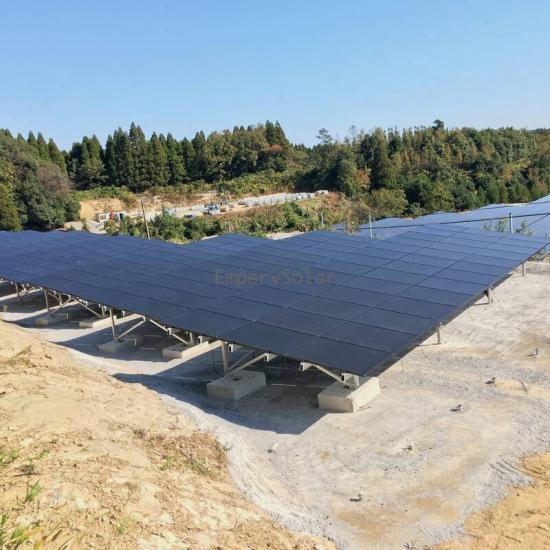
Ground mount solar racking systems serve as the foundation upon which solar panels are mounted. These systems provide the necessary support to ensure that solar panels are positioned at the correct angle to capture sunlight effectively. They are particularly advantageous for larger solar installations, where space and efficiency are paramount. By understanding the key components of these racking systems, professionals and enthusiasts alike can ensure optimal system performance.
Key Components of Ground Mount Solar Racking Systems
Ground mount solar racking systems consist of several critical components, each playing a vital role in the overall functionality and durability of the system.
The Role of Solar Posts in Racking Systems
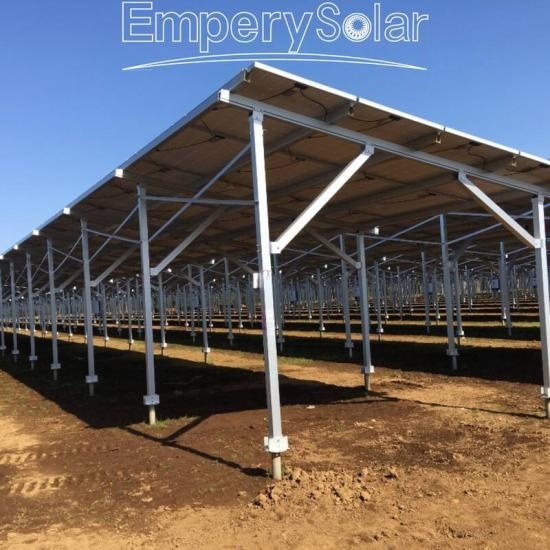
Solar posts are the vertical components that provide the primary support for the entire racking system. These posts are typically made from galvanized steel or aluminum, which ensures they are resistant to corrosion and can withstand harsh environmental conditions.
**Key Functions of Solar Posts:**
- **Stability:** They anchor the racking system to the ground, ensuring it remains secure even in high winds.
- **Load Distribution:** Solar posts help distribute the weight of the solar panels evenly, preventing any single point from bearing too much load.
- **Height Adjustment:** Posts can be adjusted in height, allowing for optimal solar panel positioning based on the geographical location and sun exposure.
Rails: The Backbone of the Structure
Rails are horizontal components that connect the solar posts, providing a robust framework for attaching solar panels. They are essential for ensuring the panels are securely mounted and properly aligned.
**Key Functions of Rails:**
- **Panel Support:** Rails hold the solar panels in place, preventing them from shifting or being blown away by strong winds.
- **Alignment:** They ensure that panels are aligned correctly to maximize sunlight exposure throughout the day.
- **Modularity:** Rails can be easily modified or extended to accommodate different panel sizes and configurations.
Solar Modules: The Heart of the System
Solar modules, also known as solar panels, are the actual devices that convert sunlight into electricity. While they are not part of the racking system itself, their performance is closely linked to the racking components.
**Key Functions of Solar Modules:**
- **Energy Production:** Solar modules are the primary source of energy generation in solar installations.
- **Durability:** High-quality modules are designed to withstand the elements and can last for decades with minimal degradation.
- **Efficiency:** The efficiency of solar panels is greatly influenced by their angle and positioning, which is determined by the racking system.
Connectors and Fasteners: Ensuring Stability
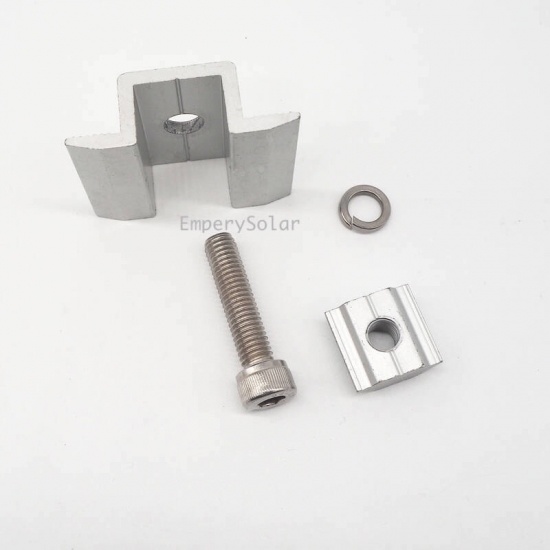
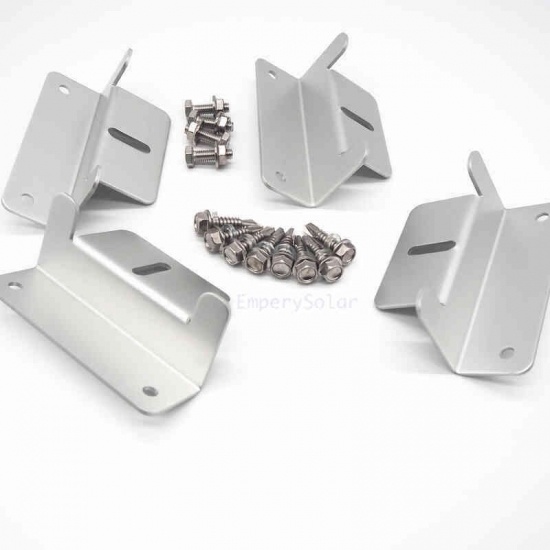
Connectors and fasteners bind the various components of the racking system together. These include bolts, nuts, and brackets that hold the posts, rails, and panels in place.
**Key Functions of Connectors and Fasteners:**
- **Structural Integrity:** They ensure that all components are securely attached, preventing movement or disassembly.
- **Material Compatibility:** High-quality connectors are made from corrosion-resistant materials to enhance the longevity of the racking system.
- **Ease of Installation:** Well-designed connectors can simplify the installation process, allowing for quicker assembly and disassembly.
Grounding and Bonding Components
Grounding components are essential for the safety of solar installations. They prevent electrical shock and protect the system from lightning strikes and surges.
**Key Functions of Grounding Components:**
- **Safety:** Grounding reduces the risk of electrical hazards by providing a pathway for any stray voltage.
- **Compliance:** Many local codes require proper grounding for solar installations, making it a crucial aspect of system design.
- **Protection:** Grounding components help safeguard sensitive electronics within the solar system from damage caused by electrical surges.
Types of Ground Mount Solar Racking Systems
Different types of ground mount solar racking systems are designed to meet various project requirements.
Fixed Tilt Racking Systems
Fixed tilt racking systems are the simplest and most common type of ground mount racking. They are designed to hold solar panels at a predetermined angle, which maximizes sun exposure throughout the year.
**Advantages:**
- **Cost-Effective:** Fixed systems are generally more affordable and easier to install.
- **Low Maintenance:** They require minimal maintenance as there are fewer moving parts.
Adjustable Tilt Racking Systems
Adjustable tilt racking systems allow for the angle of the panels to be changed seasonally. This optimizes energy production by adjusting the angle according to the sun’s position throughout the year.
**Advantages:**
- **Increased Efficiency:** These systems can significantly improve energy output compared to fixed systems.
- **Versatility:** They can be adjusted to accommodate different geographic locations and seasonal variations.
Tracking Racking Systems
Tracking racking systems are advanced setups that automatically adjust the position of the solar panels throughout the day to follow the sun's path.
**Advantages:**
- **High Energy Production:** Tracking systems can increase energy output by 20-40% compared to fixed installations.
- **Innovative Technology:** They represent the forefront of solar technology, utilizing sensors and motors for optimal performance.
Installation Process of Ground Mount Solar Racking Systems
Installing a ground mount solar racking system involves several key steps to ensure it is done correctly and safely.
Site Assessment
Before installation, a site assessment is crucial. This involves evaluating the land for any obstructions, soil quality, and sun exposure.
Design and Planning
Once the site is assessed, the next step is to design the layout of the racking system. This includes deciding on the type of racking system and the placement of solar panels.
Foundation Preparation
The foundation for the racking system must be prepared. This often involves digging holes for the solar posts and pouring concrete or using driven piles for stability.
Assembly and Installation
After the foundation is ready, the assembly begins. This involves attaching the solar posts, installing the rails, and finally mounting the solar panels.
Maintenance Tips for Ground Mount Solar Racking Systems
Maintaining a ground mount solar racking system is essential for ensuring its long-term performance and reliability.
Regular Inspections
Conduct regular inspections to check for any signs of wear and tear, corrosion, or loose connections. This proactive approach can prevent larger issues from developing.
Cleaning Solar Panels
Keeping solar panels clean ensures they operate at maximum efficiency. Dust, debris, and bird droppings can significantly decrease energy production.
Monitor System Performance
Utilizing monitoring systems can help track the performance of the solar installation, allowing for quick identification of any issues that may arise.
Benefits of Using Ground Mount Solar Racking Systems
Ground mount solar racking systems offer numerous advantages that make them the preferred choice for many large-scale solar installations.
Enhanced Stability and Durability
These systems are built to withstand harsh weather conditions, ensuring the longevity and reliability of solar installations.
Improved Energy Efficiency
By optimizing the angle and position of solar panels, ground mount systems can significantly increase energy production.
Flexible Installation Options
Ground mount solar racking systems can be adapted to various terrains and configurations, making them suitable for different project requirements.
Conclusion
Understanding the key components of ground mount solar racking systems is essential for anyone involved in solar energy deployment. From the stability provided by solar posts to the efficiency gained through properly aligned rails and panels, each component plays a significant role in the overall effectiveness of solar installations. With the right knowledge and maintenance practices, these systems can provide reliable and sustainable energy solutions for years to come.
Frequently Asked Questions
What is the primary function of ground mount solar racking systems?
Ground mount solar racking systems provide the necessary support and positioning for solar panels, ensuring optimal energy capture and stability.
How do I choose the right type of ground mount racking system?
Selecting the right type depends on various factors, including project size, location, budget, and energy goals. Fixed, adjustable, and tracking systems each have unique benefits.
How often should I maintain my ground mount solar racking system?
Regular inspections every few months are recommended, along with annual cleaning of solar panels to maximize efficiency.
Can ground mount solar racking systems be installed on uneven terrain?
Yes, ground mount systems can be designed to accommodate uneven terrain through adjustable posts and custom layouts.
What materials are commonly used for solar posts and rails?
Solar posts and rails are typically made from galvanized steel or aluminum, ensuring durability and resistance to corrosion.
By thoroughly understanding these components and practices, we can ensure that ground mount solar racking systems serve their purpose effectively, contributing to the growth of renewable energy and sustainability.
RELATED BLOG

EmperySolar Successfully Concludes Participation in IGEM 2026 Malaysia
Xiamen Empery Solar Technology Co., Ltd. successfully concluded its participation in the 2026 International Greentech & Eco Products Exhibition & Conference Malaysia
View Details


Xiamen Empery Solar Technology Co.,Ltd.

Room 611, Quanyutong Business center, No.368, Xianhou She, Huli Districts. Xiamen,China.


Whatsapp : +86-13950145677


