

language
Product



News
Our company offers a comprehensive set of products in the industrial, commercial and
residential fields.
Understanding Solar Mounting Systems: A Key Component for Efficient Solar Energy Solutions
Release time:
2026-04-07
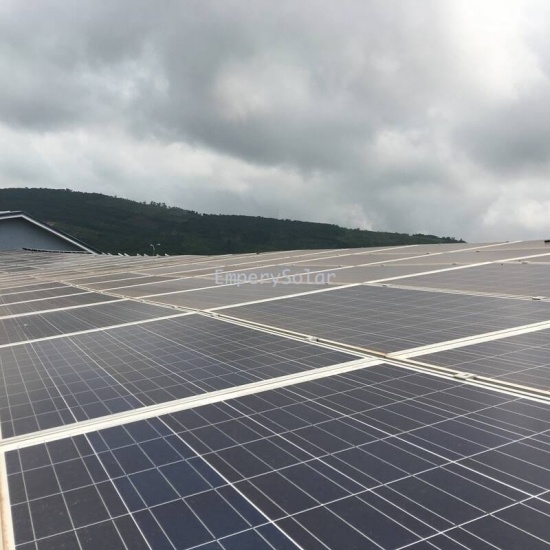
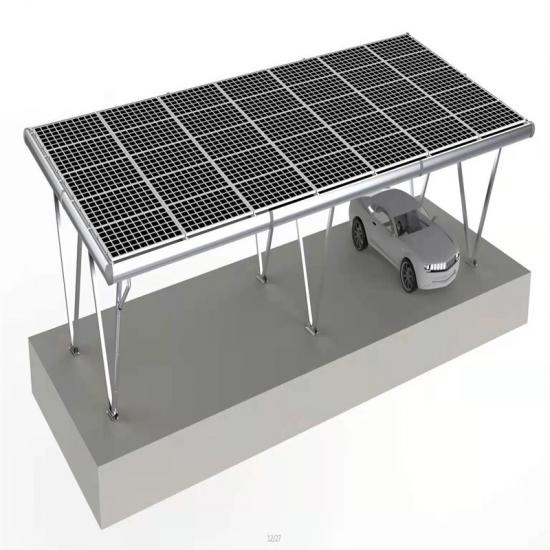
Solar mounting systems are critical components in the deployment of solar energy solutions, serving as the backbone that supports solar panels and ensures their optimal performance. As the demand for renewable energy sources grows, understanding the intricacies of solar mounting systems becomes increasingly important for professionals in the electrical engineering and solar energy sectors.
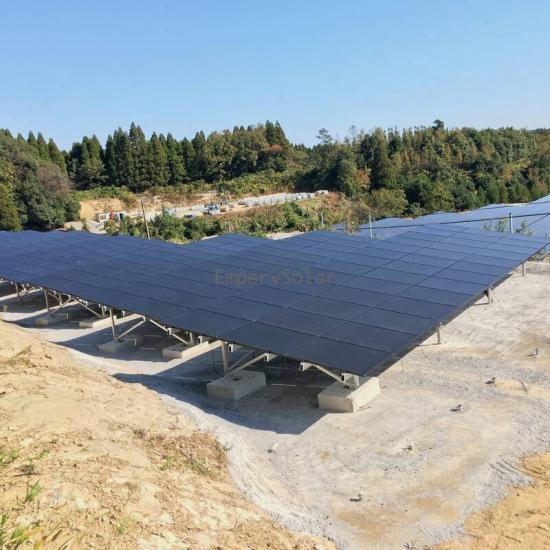
At the core of solar mounting systems are two main types: fixed mounts and tracking mounts. Fixed mounts are stationary structures that hold solar panels at a fixed angle, typically optimized for maximum sun exposure throughout the year. These systems are simpler to install and maintain, making them a popular choice for residential and commercial applications. In contrast, tracking mounts are dynamic systems that adjust the angle of the solar panels throughout the day to follow the sun’s path. This adaptability can significantly increase energy production, particularly in regions with high solar insolation.
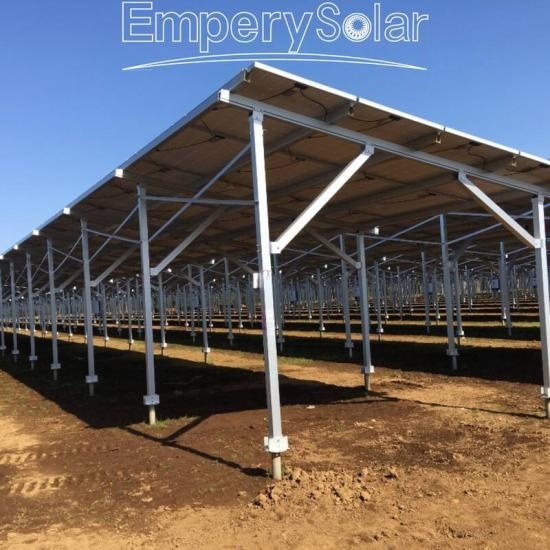
When selecting a solar mounting system, several factors must be considered. First and foremost is the structural integrity of the mounting system. It must be designed to withstand environmental conditions such as wind, snow loads, and seismic activity. Professionals should ensure that the materials used are durable and corrosion-resistant, as these systems are often exposed to harsh weather conditions.
Another critical consideration is the compatibility of the mounting system with the specific type of solar panels being used. Different solar panel designs may require different mounting solutions, and ensuring a proper fit is essential for maximizing efficiency and longevity. Furthermore, the orientation and tilt of the solar panels can greatly influence energy output. It is essential to optimize these parameters based on geographic location and local climate conditions.
Moreover, installation practices play a vital role in the overall effectiveness of solar mounting systems. Proper alignment and secure anchoring are crucial to prevent any movement or damage that could reduce the performance of the solar panels. Professionals should be well-trained in installation techniques and aware of local building codes and regulations to ensure compliance.
Lastly, advancements in technology continue to enhance the capabilities of solar mounting systems. Innovations such as lightweight materials and modular designs are making installation more efficient and cost-effective. Keeping abreast of these developments can provide valuable insights for professionals looking to optimize solar energy solutions.
In conclusion, solar mounting systems are a vital aspect of solar energy projects, influencing both performance and longevity. Understanding their types, benefits, and installation requirements allows electrical engineers and solar professionals to make informed decisions that will contribute to successful solar energy implementations.
RELATED BLOG

EmperySolar Successfully Concludes Participation in IGEM 2026 Malaysia
Xiamen Empery Solar Technology Co., Ltd. successfully concluded its participation in the 2026 International Greentech & Eco Products Exhibition & Conference Malaysia
View Details


Xiamen Empery Solar Technology Co.,Ltd.

Room 611, Quanyutong Business center, No.368, Xianhou She, Huli Districts. Xiamen,China.


Whatsapp : +86-13950145677


