

language
Product



News
Our company offers a comprehensive set of products in the industrial, commercial and
residential fields.
Essential Insights into Solar Mounting Systems for Efficient Solar Energy Deployment
Release time:
2026-04-21
Solar mounting systems serve as the backbone of solar energy installations, providing the necessary support for solar panels to harness sunlight effectively. Understanding the various options available in the market is essential for selecting the right system that meets both performance and logistical needs.
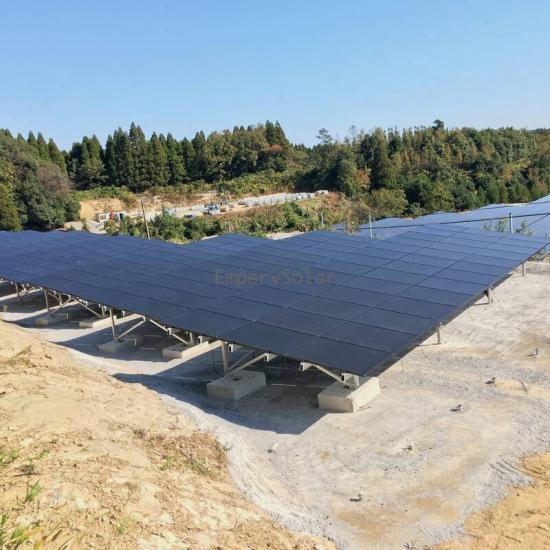
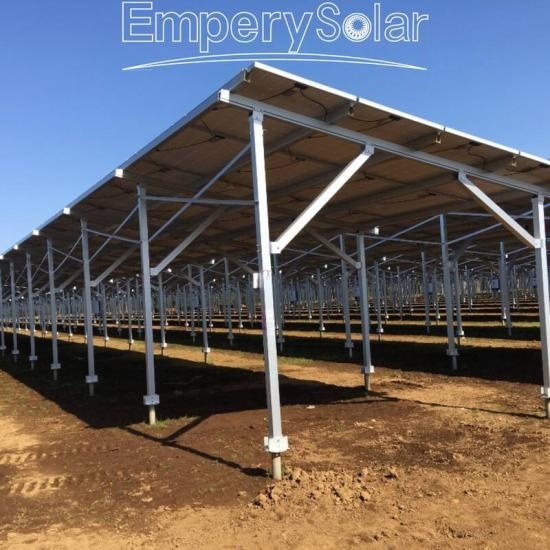
There are primarily three types of solar mounting systems: fixed, adjustable, and tracking systems. Fixed systems are the most common and are designed to hold solar panels at a specific angle. They are typically less expensive and easier to install, making them ideal for residential projects. Adjustable systems offer flexibility, allowing for changes in angle to maximize solar exposure throughout the day or across seasons. Tracking systems, while more complex and costly, can significantly increase energy production by following the sun’s path across the sky.
Choosing the right solar mounting system involves considering several factors. First, site conditions play a significant role; factors such as geographical location, available space, and environmental elements like wind and snow loads must be evaluated. The type of roofing material and the structural integrity of the building is also crucial in determining the most suitable mounting option.
Moreover, the orientation and tilt angle of solar panels can influence energy generation. As a rule of thumb, panels should be oriented southward (in the Northern Hemisphere) and tilted at an angle approximately equal to the latitude of the installation location to maximize sunlight capture. For installations in areas with high wind speeds, selecting a robust mounting system that can withstand these forces is essential to ensure longevity and safety.
Installation techniques also vary among different solar mounting systems. It’s vital to follow manufacturer guidelines for proper installation to ensure optimal performance and avoid potential issues. Additionally, local codes and regulations should be reviewed before installation to ensure compliance and safety.
In conclusion, understanding solar mounting systems is key for professionals involved in solar energy deployment. By carefully considering the type of system, site conditions, and installation practices, stakeholders can optimize solar energy systems for better performance and reliability. This knowledge not only aids in efficient project execution but also contributes to the broader goal of increasing renewable energy use and sustainability in the electrical industry.
RELATED BLOG

EmperySolar Successfully Concludes Participation in IGEM 2026 Malaysia
Xiamen Empery Solar Technology Co., Ltd. successfully concluded its participation in the 2026 International Greentech & Eco Products Exhibition & Conference Malaysia
View Details


Xiamen Empery Solar Technology Co.,Ltd.

Room 611, Quanyutong Business center, No.368, Xianhou She, Huli Districts. Xiamen,China.


Whatsapp : +86-13950145677


