

Product



News
Our company offers a comprehensive set of products in the industrial, commercial and
residential fields.
Maximize Your Solar Energy with the Best Mounting Systems
Release time:
2026-04-28
Maximize Your Solar Energy with the Best Mounting Systems
Introduction to Solar Energy and Mounting Systems
Solar energy has become one of the most sustainable and efficient forms of energy in recent years. As households and businesses seek to reduce energy costs and carbon footprints, the installation of solar panels has surged. However, one often overlooked aspect that can significantly impact the effectiveness of a solar power system is the **mounting system**. Choosing the right mounting system is crucial for maximizing solar energy output and ensuring long-term performance.
Understanding Solar Mounting Systems
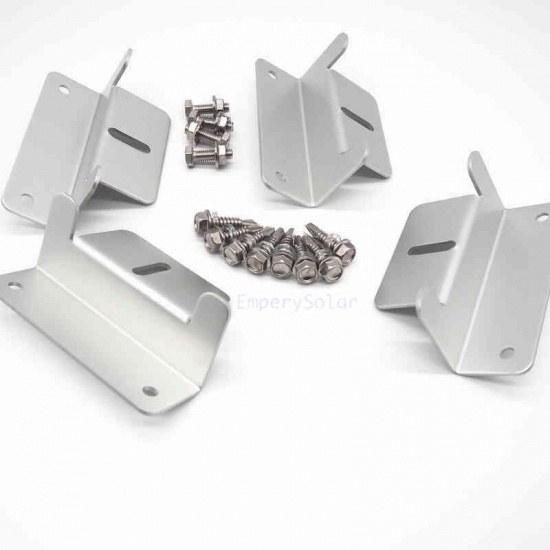
Solar mounting systems are essential components that support and stabilize solar panels. They ensure that the panels are securely positioned in optimal locations to capture sunlight effectively. There are several types of mounting systems available, each designed for specific applications and environments.
Types of Solar Mounting Systems
1. **Ground Mount Systems**
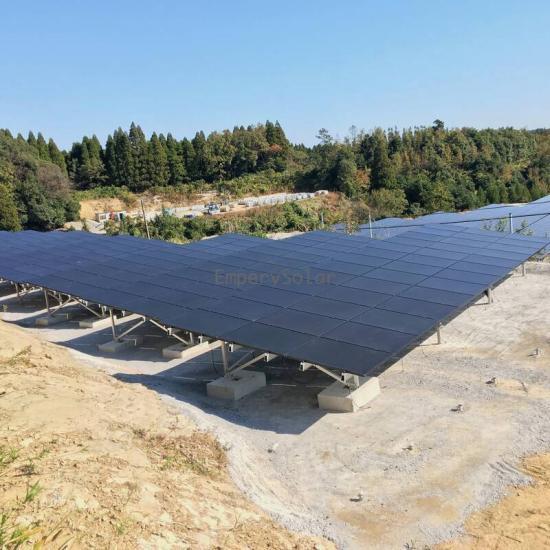
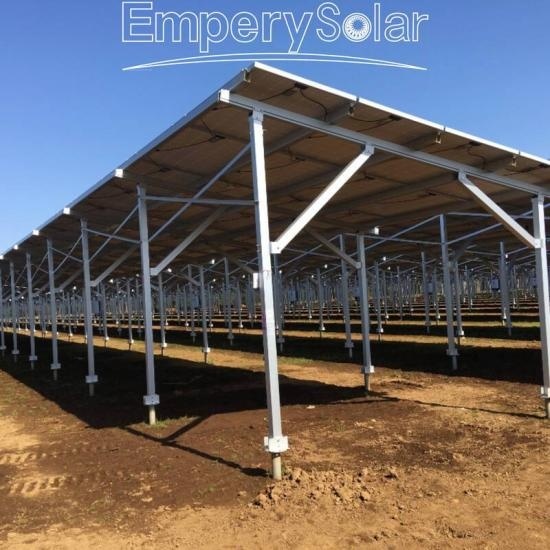
Ground mount systems are installed directly on the ground, making them ideal for large spaces where rooftops are not suitable. These systems offer flexibility regarding panel orientation and positioning, allowing for optimal sun exposure.
2. **Roof Mount Systems**
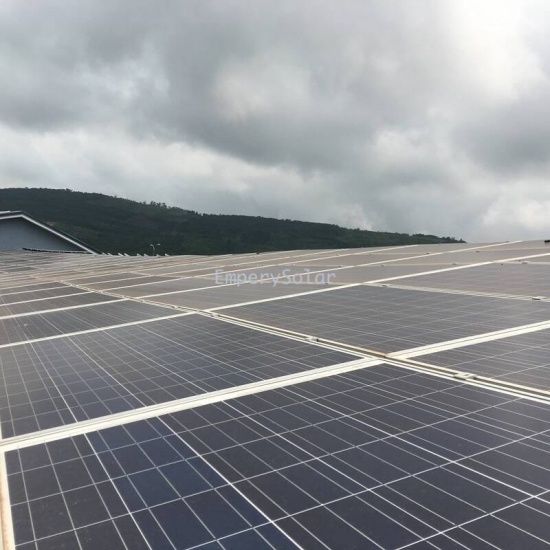
Roof mount systems are the most common choice for residential installations. They are attached directly to the roof of a building, utilizing brackets and rails that support the solar panels. These systems can be further divided into fixed mounts and adjustable mounts.
3. **Tracking Systems**
Tracking systems are advanced mounting options that allow solar panels to follow the sun's path throughout the day. These systems can increase energy production by 25% to 40% compared to fixed systems, making them a smart investment for maximizing output.
4. **Pole Mount Systems**
Pole mounts elevate solar panels off the ground, making them less susceptible to debris and shading from nearby objects. This type of installation is particularly useful in areas where ground-level installations might face obstructions.
Benefits of Choosing the Right Mounting System
Selecting an appropriate mounting system comes with a multitude of benefits. Here are some key advantages that can help you maximize your solar energy production:
1. Optimal Sunlight Exposure
The primary function of mounting systems is to ensure that solar panels receive the maximum amount of sunlight. A well-positioned solar panel is more likely to generate higher energy yields.
2. Durability and Stability
Quality mounting systems are designed to withstand harsh weather conditions, including strong winds and heavy snow loads. This durability ensures longevity and reliable performance of your solar power system.
3. Flexibility in Installation
Different mounting systems offer versatility in terms of where and how solar panels can be installed. This flexibility allows homeowners and businesses to adapt their solar setups according to available space and aesthetic considerations.
4. Reduced Maintenance Costs
With solid and secure mounting systems, the likelihood of damage to solar panels is minimized, thereby reducing potential maintenance costs. Proper mounting also prevents issues related to panel displacement over time.
Key Factors to Consider When Choosing Solar Mounting Systems
When selecting the best mounting systems for your solar energy setup, several factors need careful consideration.
1. Location and Environment
The geographical location and specific environmental conditions of your installation site significantly influence the choice of mounting system. Areas with heavy snowfall may require sturdier systems, while coastal areas may need corrosion-resistant materials.
2. Type of Solar Panels
The type and size of solar panels being installed can determine the appropriate mounting system. Ensure that the mounting system can accommodate the weight and dimensions of your chosen panels.
3. Budget Constraints
Different mounting systems come with varying costs. It is essential to balance your budget with the quality and efficiency of the mounting system to ensure you get the best value for your investment.
4. Aesthetic Considerations
For residential installations, the visual appeal of the mounting system may be a concern. Some homeowners prefer discreet mounting options that complement the architectural style of their homes.
Installation Tips for Solar Mounting Systems
Proper installation of solar mounting systems is crucial for optimal performance. Here are some tips to consider during installation:
1. Professional Installation
Hiring experienced professionals can ensure that the mounting systems are installed correctly and safely. Professional installers are familiar with local building codes and best practices.
2. Assessing Site Conditions
Before installation, conduct a thorough site assessment to identify potential shading issues, soil conditions, and structural integrity of the mounting surface.
3. Use Quality Materials
Investing in high-quality mounting materials can prevent premature deterioration and ensure reliable long-term performance. Look for materials that are resistant to rust and corrosion.
4. Regular Inspections
After installation, performing regular inspections of the mounting system can identify any issues early on. Check for signs of wear and tear, loose bolts, or shifting positions.
Maintenance Practices for Solar Mounting Systems
Maintaining your mounting systems is essential for ensuring their longevity and effectiveness. Here are some maintenance practices to consider:
1. Routine Cleaning
Dirt, debris, and other contaminants can accumulate on solar panels and mounting systems, obstructing sunlight and potentially leading to structural issues. Regular cleaning can enhance the overall efficiency of your solar setup.
2. Monitoring Performance
Utilizing monitoring tools can help track the performance of your solar energy system. Regularly check energy production levels to ensure that the mounting systems are functioning as expected.
3. Conduct Periodic Inspections
Performing periodic inspections of the mounting systems can help catch potential problems before they escalate. Look for signs of corrosion, rust, or any structural weaknesses.
4. Engage Professional Servicing
Consider scheduling professional servicing every few years to ensure that your mounting systems remain in optimal condition. Professionals can provide insights and maintenance strategies tailored to your specific setup.
Real-World Examples of Effective Solar Mounting Systems
Examining successful installations can provide valuable insights into the effectiveness of various mounting systems.
Case Study: Ground Mount Systems in Rural Areas
In rural areas where space is abundant, ground mount systems have proven highly effective. For instance, a farm in Southern California implemented a ground-mounted solar array that maximized sunlight exposure throughout the year, leading to significant energy savings.
Case Study: Roof Mount Systems for Residential Properties
A suburban home in New York utilized roof mount systems to take advantage of their limited yard space. By positioning panels at optimal angles on the roof, the homeowners were able to significantly reduce their electricity bills while maintaining the aesthetic appeal of their property.
FAQs About Solar Mounting Systems
**Q1: What are the main types of solar mounting systems?**
A: The main types include ground mounts, roof mounts, tracking systems, and pole mounts, each serving different applications and locations.
**Q2: How do I choose the right mounting system for my solar panels?**
A: Consider factors such as location, environmental conditions, type of solar panel, budget, and aesthetic preferences when selecting a mounting system.
**Q3: Can I install solar mounting systems myself?**
A: While DIY installation is possible, it is recommended to hire professionals to ensure compliance with local codes and optimal performance.
**Q4: How often should I inspect my solar mounting systems?**
A: Regular inspections are recommended at least once or twice a year, along with routine cleaning to maintain performance.
**Q5: What maintenance is required for solar mounting systems?**
A: Maintenance includes routine cleaning, performance monitoring, periodic inspections, and engaging professional servicing when needed.
Conclusion
Maximizing solar energy production begins with choosing the right mounting systems. By understanding the various types of mounting systems, their benefits, and critical factors for selection, we can make informed decisions that lead to efficient solar energy utilization. Proper installation and ongoing maintenance are equally vital to ensure that solar systems continue to perform at their best. Investing time and effort into the mounting system will ultimately pay off with enhanced energy production and long-term savings. Embrace the power of the sun by ensuring that your solar panels are securely and effectively mounted for optimal performance.
RELATED BLOG

Maximizing Efficiency with Solar Mounting Systems in Renewable Energy
Solar mounting systems are pivotal in the solar energy landscape, allowing photovoltaic (PV) panels to be securely installed and positioned optimally for sunlight exposure. Understanding the various types of mounting systems and their applications can significantly enhance the performance of solar power systems, especially in the context of battery storage and charging solutions. There are primar
View Details


Xiamen Empery Solar Technology Co.,Ltd.

Room 611, Quanyutong Business center, No.368, Xianhou She, Huli Districts. Xiamen,China.


Whatsapp : +86-13950145677


