

Product



News
Our company offers a comprehensive set of products in the industrial, commercial and
residential fields.
Understanding Solar Mounting Systems: A Key Component of Solar Power Success
Release time:
2026-05-15
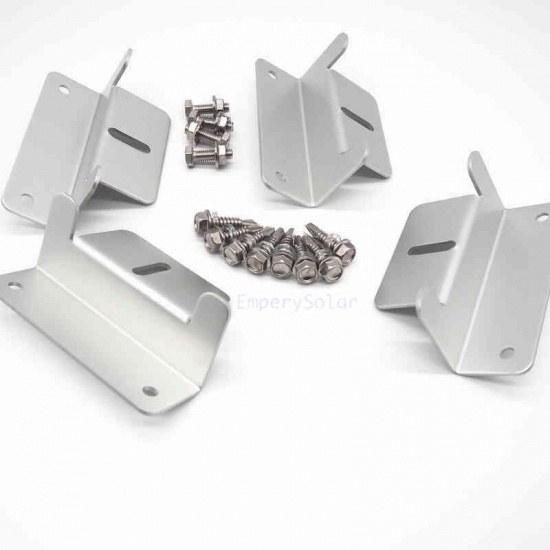
In the rapidly growing field of solar energy, the efficiency and durability of a solar power system hinge significantly on the quality of the solar mounting system used. A solar mounting system is a crucial component that secures solar panels to the ground, rooftops, or other surfaces, ensuring they remain stable and functional throughout their operational life. Understanding the various types of mounting systems and their applications can help electrical professionals optimize solar energy installations.
There are primarily three types of solar mounting systems: fixed, adjustable, and tracking systems. Fixed mounts are the simplest and most cost-effective option, providing a stationary installation that requires minimal maintenance. They are usually installed at a specific angle to maximize solar exposure based on geographical location. However, while they are easy to install and maintain, they do not allow for adjustments to optimize energy production throughout the year.
Adjustable mounts offer a middle ground by allowing users to change the angle of the panels seasonally, enhancing energy capture as the sun's path changes. These systems can increase efficiency but may require more maintenance and installation effort compared to fixed systems.
Tracking systems are the most sophisticated option, capable of orienting the panels towards the sun throughout the day. This dynamic positioning can significantly increase energy output, sometimes by up to 40%. However, these systems are more complex and can have higher initial costs and maintenance needs.
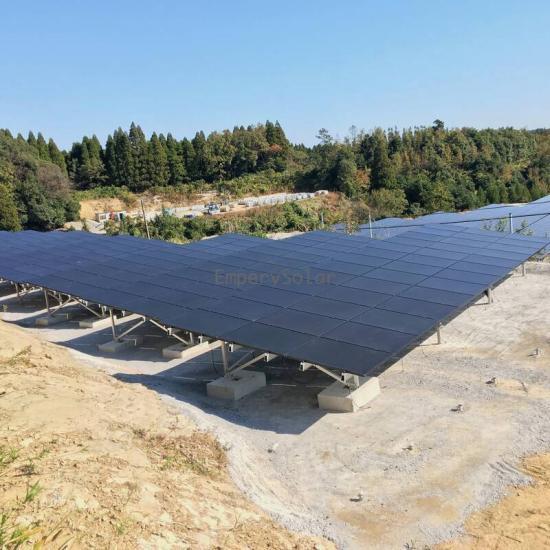
When selecting a solar mounting system, professionals must consider factors such as location, installation surface, local regulations, and environmental impacts. For example, ground-mounted systems may require concrete footings or ballast, while rooftop systems must comply with building codes and structural integrity checks. Understanding these nuances can prevent costly mistakes during installation.
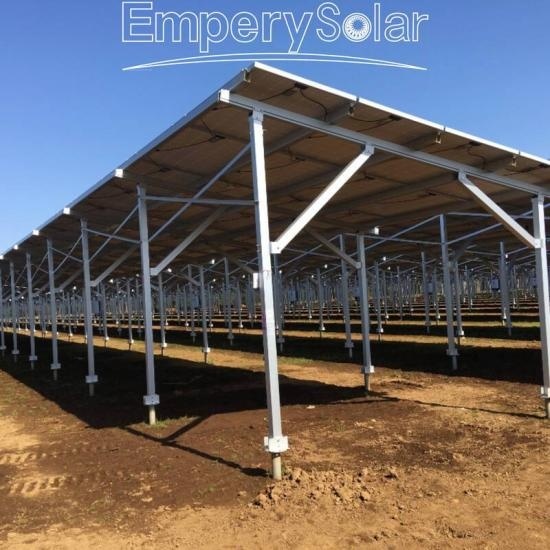
It is also vital to consider the materials used in mounting systems. High-quality materials, such as aluminum and galvanized steel, offer durability and resistance to corrosion, extending the life of the solar installation. Ensuring that the mounting system is compatible with the specific solar panels and overall design of the solar power system is essential for achieving optimal performance.
In conclusion, a well-chosen solar mounting system can significantly enhance the effectiveness and longevity of solar installations. By understanding the different types of mounting systems available and their specific applications, professionals in the electrical and renewable energy fields can make informed decisions that lead to successful solar projects. Whether optimizing for cost, efficiency, or ease of installation, careful consideration of the solar mounting system is key to harnessing the full potential of solar power.
RELATED BLOG

Understanding Solar Mounting Systems: A Key Component of Solar Power Success
--- In the rapidly growing field of solar energy, the efficiency and durability of a solar power system hinge significantly on the quality of the solar mounting system used. A solar mounting system is a crucial component that secures solar panels to the ground, rooftops, or other surfaces, ensuring they remain stable and functional throughout their operational life. Understanding the various types
View Details


Xiamen Empery Solar Technology Co.,Ltd.

Room 611, Quanyutong Business center, No.368, Xianhou She, Huli Districts. Xiamen,China.


Whatsapp : +86-13950145677


