

Product



News
Our company offers a comprehensive set of products in the industrial, commercial and
residential fields.
Maximizing Efficiency with Ground Mount Solar Racking Systems
Release time:
2026-05-23
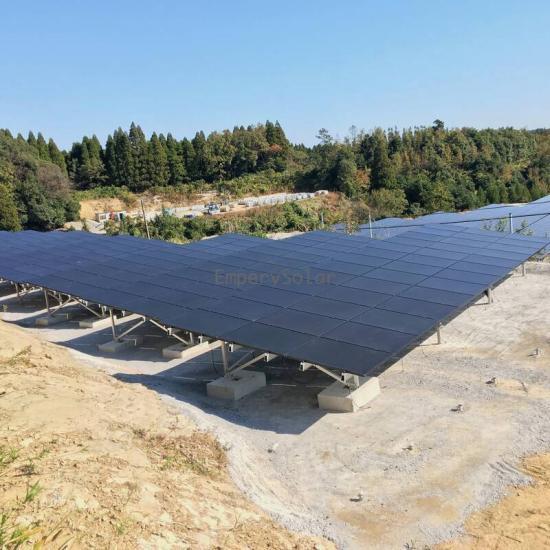
One of the primary advantages of ground mount solar racking is flexibility in design and orientation. These systems can be engineered to accommodate various terrains, including flat, sloped, or uneven ground. Depending on the specific site conditions, racking can be designed with adjustable tilt angles, which can improve energy capture by allowing panels to maintain an optimal orientation with respect to the sun's trajectory throughout the year.
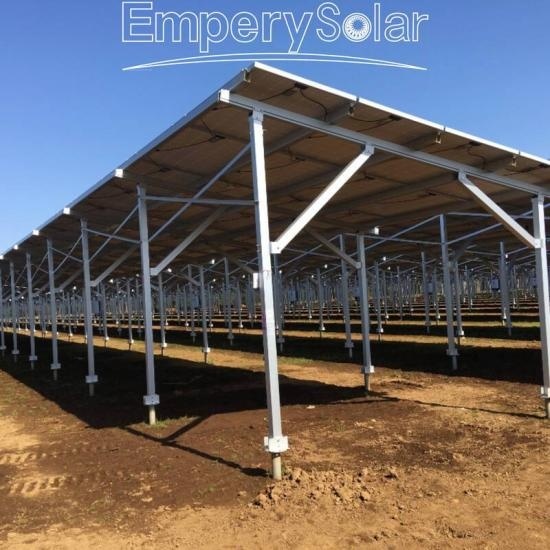
When selecting a ground mount solar racking system, it's critical to consider the materials used in its construction. Common materials include aluminum and galvanized steel, both known for their strength and resistance to corrosion. Choosing high-quality materials not only prolongs the lifespan of the racking but also minimizes maintenance requirements over time. Additionally, understanding the local environmental conditions—such as wind speeds, snow loads, and soil types—is crucial for the structural integrity of the racking system.
Installation best practices play a vital role in ensuring the performance of ground mount solar racking systems. Proper site assessment is essential to identify the most suitable locations for racking installation. Techniques such as soil testing and geotechnical analysis can provide insights into the ground's bearing capacity, thus influencing the choice of mounting strategy. Furthermore, adhering to proper spacing between rows of panels can help eliminate shading issues and maximize sunlight exposure.
Another critical aspect of ground mount solar racking is the ease of accessibility for maintenance. Systems designed with maintenance in mind allow technicians to perform routine checks and repairs efficiently. Ensuring that there is adequate space between the panels and ground level facilitates cleaning and monitoring, ultimately supporting the system's overall performance.
In conclusion, ground mount solar racking systems are indispensable in the solar energy sector, offering flexibility, durability, and efficiency. By prioritizing quality materials, adhering to best installation practices, and considering environmental factors, project managers can enhance the performance and longevity of their solar installations. Emphasizing these considerations will not only optimize energy output but also contribute to the sustainability goals of industrial and commercial operations.
RELATED BLOG

Maximizing Efficiency with Ground Mount Solar Racking Systems
Ground mount solar racking systems are essential for maximizing solar energy production in various settings, particularly in large-scale commercial and industrial applications. These systems provide a stable foundation for solar panels, allowing for optimal positioning toward the sun while ensuring durability and longevity. Understanding the technical aspects of ground mount racking can significan
View Details


Xiamen Empery Solar Technology Co.,Ltd.

Room 611, Quanyutong Business center, No.368, Xianhou She, Huli Districts. Xiamen,China.


Whatsapp : +86-13950145677


