

Product




News
Our company offers a comprehensive set of products in the industrial, commercial and
residential fields.
The Science Behind Fixed Tilt Ground Mount Systems and Solar Radiation
Release time:
2026-05-25
The Science Behind Fixed Tilt Ground Mount Systems and Solar Radiation
Table of Contents
- 1. Introduction to Solar Energy Systems
- 2. Understanding Fixed Tilt Ground Mount Systems
- 3. Solar Radiation Basics
- 4. Optimizing Tilt Angles for Maximum Solar Gain
- 5. Factors Affecting Solar Radiation on Fixed Tilt Systems
- 6. Advantages of Fixed Tilt Ground Mount Systems
- 7. Challenges and Limitations of Fixed Tilt Systems
- 8. Conclusion
- 9. Frequently Asked Questions
1. Introduction to Solar Energy Systems
As we navigate the complex world of renewable energy, **solar energy** emerges as a frontrunner in sustainability efforts. With advancements in technology, **solar energy systems** have become increasingly efficient, particularly with the use of **fixed tilt ground mount systems**. These systems provide a stable foundation for solar panels, ensuring optimal energy capture throughout the year. Understanding the science behind these systems and their interaction with solar radiation is crucial for maximizing energy production and achieving sustainability goals.
2. Understanding Fixed Tilt Ground Mount Systems
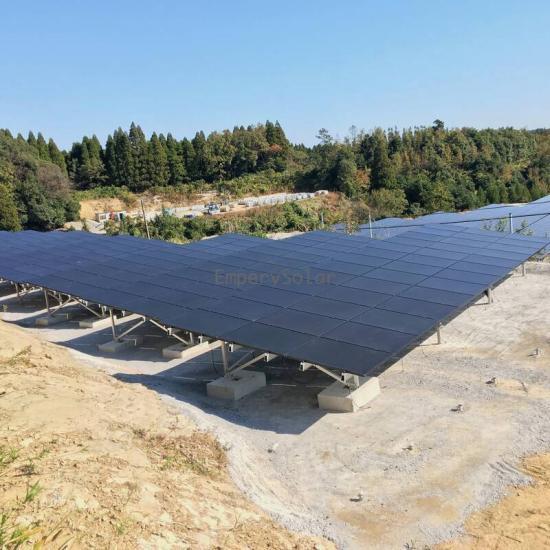
Fixed tilt ground mount systems are stationary structures designed to hold solar panels at a fixed angle relative to the ground. This angle is strategically chosen to optimize solar exposure based on geographical location and seasonal variations. Unlike **tracking systems**, which dynamically adjust the panel angle to follow the sun's path, fixed tilt systems offer simplicity and lower maintenance requirements.
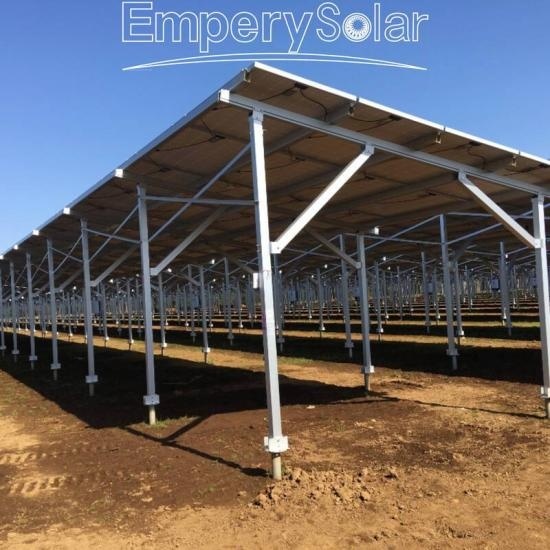
These systems typically consist of **mounting hardware**, **support structures**, and **solar panels** themselves. The **fixed angle** is determined based on the **latitude** of the installation site, ensuring that the panels maximize sunlight exposure throughout the year.
3. Solar Radiation Basics
Solar radiation is the energy emitted by the sun, crucial for the functioning of solar energy systems. It consists of various wavelengths, including visible light, ultraviolet (UV) light, and infrared (IR) radiation. The amount of solar radiation reaching the Earth’s surface is influenced by several factors, including:
- **Time of Day:** Solar radiation peaks at noon when the sun is highest in the sky.
- **Seasonal Variations:** Solar angles change with the seasons, affecting how much radiation reaches a specific location.
- **Weather Conditions:** Cloud cover, atmospheric particles, and pollution can significantly reduce solar radiation.
Understanding these factors is fundamental in designing fixed tilt ground mount systems to ensure they capture as much solar energy as possible.
4. Optimizing Tilt Angles for Maximum Solar Gain
The tilt angle of solar panels in fixed tilt systems is critical for maximizing solar radiation capture. Generally, the optimal tilt angle is equal to the latitude of the location. However, adjustments can be made based on specific goals:
- **Annual Energy Production:** For systems aiming to maximize total energy output throughout the year, the latitude angle is often recommended.
- **Seasonal Optimization:** If the goal is to maximize energy production during specific seasons, the tilt angle can be adjusted. For example, a steeper angle may be beneficial in winter to capture lower sun angles.
Calculating the optimal tilt angle involves understanding the sun's path and the seasonal changes in solar radiation. Tools and resources are available to help installers determine the best tilt angle for their specific location.
5. Factors Affecting Solar Radiation on Fixed Tilt Systems
Several factors influence the efficiency of solar energy capture in fixed tilt ground mount systems. These include:
- **Geographical Location:** Latitude, altitude, and local climate play significant roles in solar radiation levels.
- **Orientation of Panels:** The direction in which solar panels face (typically south-facing in the Northern Hemisphere) can dramatically affect energy production.
- **Shading:** Surrounding obstacles, such as trees or buildings, can cast shadows on solar panels, reducing their effectiveness.
- **Soiling and Maintenance:** Dust and debris on the panels can obstruct solar radiation, underscoring the importance of regular cleaning and maintenance.
By addressing these factors, system designers can significantly enhance the performance of fixed tilt ground mount systems.
6. Advantages of Fixed Tilt Ground Mount Systems
Fixed tilt ground mount systems offer numerous advantages that contribute to their popularity in the solar industry:
- **Cost-Effectiveness:** They generally require less investment compared to tracking systems, both in terms of initial installation and ongoing maintenance.
- **Simplicity of Design:** Fixed tilt systems are less complex, which translates to easier installation and fewer points of failure.
- **Stability:** These systems can withstand extreme weather conditions better than some tracking systems, ensuring longevity and reliability.
- **Predictable Performance:** Fixed tilt systems provide predictable energy production, making it easier to estimate return on investment.
Given these benefits, it's clear why fixed tilt ground mount systems are a favored choice among solar energy developers.
7. Challenges and Limitations of Fixed Tilt Systems
While fixed tilt systems have many advantages, they also face challenges and limitations:
- **Suboptimal Energy Capture:** Fixed tilt systems may not capture as much energy as tracking systems, especially in locations with significant seasonal variation in solar angles.
- **Inflexibility:** Once installed, the tilt angle cannot be easily adjusted to adapt to changing solar conditions or energy needs.
- **Space Requirements:** Ground mount systems require substantial land area, which may not be feasible in densely populated regions.
Addressing these limitations is vital for improving the overall effectiveness and adoption of fixed tilt ground mount systems.
8. Conclusion
In summary, fixed tilt ground mount systems play a pivotal role in harnessing solar energy effectively. By understanding the science behind solar radiation and optimizing tilt angles, we can enhance energy production while addressing the unique challenges these systems face. Investing in research and development, as well as ongoing education, will continue to improve the efficiency and reliability of fixed tilt systems, paving the way for a sustainable energy future.
9. Frequently Asked Questions
1. What is the ideal tilt angle for fixed tilt ground mount systems?
The ideal tilt angle is generally equal to the latitude of the installation site, but it can be adjusted based on seasonal energy production goals.
2. How do weather conditions affect solar radiation?
Weather conditions, including cloud cover and atmospheric particles, can significantly reduce the amount of solar radiation reaching the panels, impacting energy production.
3. Are fixed tilt systems more cost-effective than tracking systems?
Yes, fixed tilt systems typically require less initial investment and maintenance compared to tracking systems while providing predictable energy outputs.
4. Can I change the tilt angle of my fixed tilt system after installation?
No, fixed tilt systems have a predetermined angle that is fixed upon installation, making them less flexible than tracking systems.
5. How can I maximize energy production with a fixed tilt ground mount system?
Maximizing energy production involves selecting the correct tilt angle, maintaining clear panels, and ensuring they are optimally oriented towards the sun.
RELATED BLOG

The Science Behind Fixed Tilt Ground Mount Systems and Solar Radiation
The Science Behind Fixed Tilt Ground Mount Systems and Solar Radiation Table of Contents 1. Introduction to Solar Energy Systems 2. Understanding Fixed Tilt Ground Mount Systems 3. Solar Radiation Basics 4. Optimizing Tilt Angles for Maximum Solar Gain 5. Factors Affecting Solar Radiation on Fixed Tilt Systems 6. Advantages of Fixed Tilt Ground Mount Systems 7. Challen
View Details


Xiamen Empery Solar Technology Co.,Ltd.

Room 611, Quanyutong Business center, No.368, Xianhou She, Huli Districts. Xiamen,China.


Whatsapp : +86-13950145677


