

Product



News
Our company offers a comprehensive set of products in the industrial, commercial and
residential fields.
Key Features to Look for in a Fixed Tilt Ground Mount System
Release time:
2026-06-25
Key Features to Look for in a Fixed Tilt Ground Mount System
Introduction to Fixed Tilt Ground Mount Systems
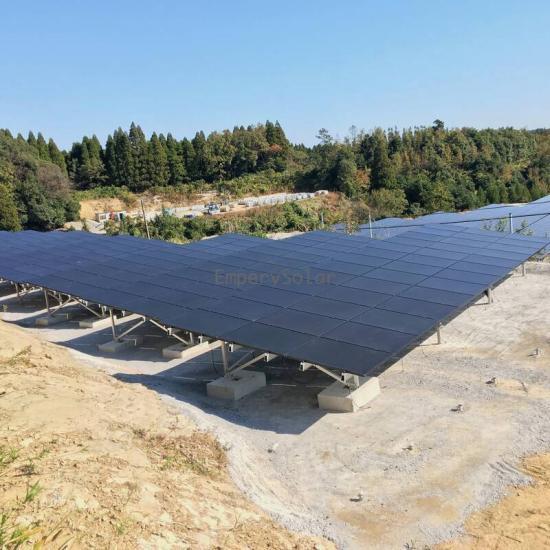
In the realm of solar energy, selecting the right mounting system is crucial for maximizing efficiency and durability. Fixed tilt ground mount systems have become increasingly popular due to their ability to optimize solar panel exposure to sunlight throughout the day. Whether you're a homeowner looking to reduce energy costs or a business aiming to go green, understanding the key features of these systems will help you make an informed choice.
Why Choose a Fixed Tilt Ground Mount System?
Fixed tilt ground mount systems provide several advantages over other mounting solutions, such as rooftop installations or tracking systems. These benefits include:
- **Stability and Durability**: Designed to withstand harsh weather conditions, fixed tilt systems are generally more robust than other mounting options.
- **Ease of Maintenance**: Ground-mounted solar panels are easier to access for cleaning and maintenance, ensuring optimal performance.
- **Cost-Effectiveness**: Fixed systems are often less expensive to install and maintain compared to more complex tracking systems.
Understanding the Types of Fixed Tilt Ground Mount Systems
Fixed tilt systems come in various designs, each suited to different applications and site conditions. The two main types include:
- **Single-Axis Fixed Tilt Systems**: These systems are tilted at a specific angle to capture sunlight effectively, usually adjusted based on geographical location.
- **Dual-Axis Fixed Tilt Systems**: These offer more flexibility as they can be adjusted both vertically and horizontally, optimizing solar exposure.
Key Features to Look For
1. Structural Integrity and Design Quality
One of the most critical features of a fixed tilt ground mount system is its structural integrity. Look for:
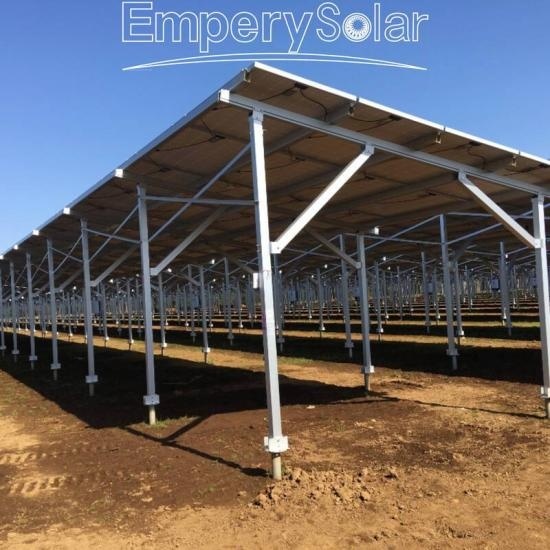
- **High-Quality Materials**: Systems made from galvanized steel or aluminum are known for their durability and resistance to corrosion.
- **Robust Design**: A well-engineered design can withstand wind loads, snow loads, and seismic events, ensuring long-term reliability.
2. Adjustable Tilt Angles
The ability to adjust the tilt angle is essential for maximizing solar energy capture. Systems that offer adjustable angles allow users to optimize panel orientation based on seasonal changes, significantly enhancing energy output.
3. Installation Flexibility
A system that is easy to install can save you time and money. Features to consider include:
- **Modular Components**: Look for systems with pre-drilled holes and modular designs that simplify the installation process.
- **Compatibility with Various Solar Panels**: Ensure the mount is compatible with different panel sizes and types to allow for future upgrades.
4. Ground Clearance and Stability
Ensuring adequate ground clearance is vital to avoid obstructions and minimize the risk of damage from flooding or debris. A stable base with adjustable legs can help accommodate uneven terrain.
5. Wind and Snow Load Ratings
Understanding the wind and snow load ratings is crucial, especially in areas prone to extreme weather. Verify that the system is tested and certified to handle local climate conditions.
6. Corrosion Resistance and Durability
Given that solar mounts are exposed to the elements, corrosion resistance is a key feature. Look for:
- **Coatings**: Systems with protective coatings, such as powder coating or galvanization, can significantly extend the lifespan of the mount.
- **Quality Control Standards**: Ensure the manufacturer adheres to stringent quality control processes for consistent durability.
7. Manufacturer Warranty and Support
A solid warranty reflects the manufacturer's confidence in their product. Look for at least a 10- to 25-year warranty on materials and workmanship. Additionally, consider the availability of customer support and installation assistance.
8. Cost-Effectiveness and Return on Investment
While upfront costs are important, consider the long-term savings on energy bills. A cost-effective system will not only be affordable to install but also efficient in converting solar energy to power. Evaluate the system's performance metrics against its price to determine overall value.
Conclusion
Selecting the right fixed tilt ground mount system is a crucial step in optimizing your solar energy investment. By considering key features such as structural integrity, adjustable tilt angles, installation flexibility, and durability, you can ensure that your solar panels operate at peak efficiency for years to come. Investing time in evaluating these factors will help you make a decision that aligns with your energy goals and budget.
FAQs
1. What is a fixed tilt ground mount system?
A fixed tilt ground mount system is a solar panel mounting solution designed to hold solar panels at a predetermined angle. Unlike tracking systems, which adjust to follow the sun, fixed tilt systems remain stationary.
2. How do I choose the right tilt angle for my solar panels?
The optimal tilt angle depends on your geographic location and the time of year. Generally, angles equal to your latitude provide the best year-round performance.
3. Are fixed tilt ground mounts suitable for all soil types?
While many fixed tilt systems can be installed on various soil types, it is essential to perform a soil analysis to ensure stability and appropriate anchoring.
4. How long can I expect my fixed tilt ground mount system to last?
With proper maintenance, a quality fixed tilt ground mount system can last between 25 to 30 years or more.
5. Can I install a fixed tilt ground mount system myself?
While some systems are designed for DIY installation, it is often recommended to hire professionals to ensure proper installation and compliance with local regulations.
By focusing on these critical features and considerations, you can confidently choose a fixed tilt ground mount system that meets your solar energy needs.
RELATED BLOG

Understanding Solar Mounting Systems: Key Insights for Efficient Solar Power Installation
Solar mounting systems are a vital element in the installation of solar power systems, serving as the foundation that supports solar panels in various environments. Understanding the different types of solar mounting systems is essential for maximizing the efficiency and durability of solar energy solutions. There are primarily three types of solar mounting systems: ground-mounted, roof-mounted, a
View Details


Xiamen Empery Solar Technology Co.,Ltd.

Room 611, Quanyutong Business center, No.368, Xianhou She, Huli Districts. Xiamen,China.


Whatsapp : +86-13950145677


