

Product



News
Our company offers a comprehensive set of products in the industrial, commercial and
residential fields.
Understanding Roof Mounting Systems for Solar Energy Solutions
Release time:
2026-06-27
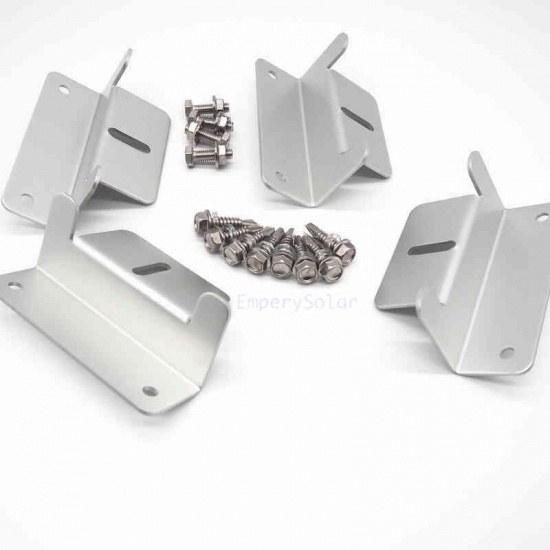
There are several types of roof mounting systems commonly used in solar energy applications, including fixed mounts, adjustable mounts, and tracking systems. Fixed mounts are the most prevalent; they secure the panels at a specific angle to optimize sunlight exposure throughout the year. Adjustable mounts, on the other hand, allow for periodic angle adjustments to maximize solar gain based on seasonal changes. Tracking systems represent the most advanced option, automatically adjusting the angle of the solar panels to follow the sun's path throughout the day, thus maximizing energy capture.
Choosing the right roof mounting system involves considering various factors, including roof type, panel orientation, and local climate conditions. For instance, the roof’s material—be it asphalt shingles, metal, or tile—can influence the choice of mounting hardware and installation technique. Additionally, the orientation of the roof plays a crucial role; ideally, panels should face south in the Northern Hemisphere to capture maximum sunlight.
Another critical consideration is the local climate. Areas with heavy snowfall or high wind speeds may require more robust mounting systems to withstand environmental stresses. Therefore, it’s essential to work with qualified professionals who can assess the specific needs of your installation and recommend an appropriate roof mounting system.
The benefits of a well-designed roof mounting system extend beyond mere installation. A reliable mounting system contributes to the overall durability and efficiency of the solar panels, ensuring they remain securely in place and are less susceptible to damage from weather events. Furthermore, a properly installed system minimizes the risk of leaks, preserving the integrity of the roof beneath.
In conclusion, roof mounting systems are integral to the success of solar energy installations. By carefully selecting the appropriate type of mounting system and considering factors such as roof material, orientation, and local climate, professionals in the field can help optimize the performance and longevity of solar energy systems. Investing time in understanding these systems is crucial for achieving sustainable energy goals and maximizing the benefits of solar technology.
RELATED BLOG

Understanding Roof Mounting Systems for Solar Energy Solutions
In the realm of solar energy systems, the roof mounting system is a pivotal component that ensures the effective installation and performance of solar panels. This system serves as the framework upon which solar panels are affixed to residential or commercial rooftops, facilitating the conversion of sunlight into usable energy. Understanding the intricacies of roof mounting systems can significant
View Details


Xiamen Empery Solar Technology Co.,Ltd.

Room 611, Quanyutong Business center, No.368, Xianhou She, Huli Districts. Xiamen,China.


Whatsapp : +86-13950145677


