

language
Product



News
Our company offers a comprehensive set of products in the industrial, commercial and
residential fields.
Ground Mount vs. Roof Mount: Which Solar Racking System is Right for You?
Release time:
2026-07-07
Ground Mount vs. Roof Mount: Which Solar Racking System is Right for You?
Introduction to Solar Racking Systems
As the solar energy industry continues to grow, choosing the right solar racking system becomes crucial for maximizing efficiency and return on investment. When deciding between ground mount and roof mount solar systems, various factors come into play, including installation costs, available space, energy needs, and aesthetic preferences. In this article, we will delve deep into the distinct characteristics of ground and roof mount systems, providing you with the insights necessary to determine which option best suits your needs.
Understanding Solar Racking Systems
Solar racking systems are essential components of any solar energy installation. They hold solar panels in place, ensuring they remain secure and optimally positioned to capture sunlight. The two main types of racking systems are ground mounts and roof mounts, each with its unique advantages and disadvantages.
What is Ground Mount Solar Racking?
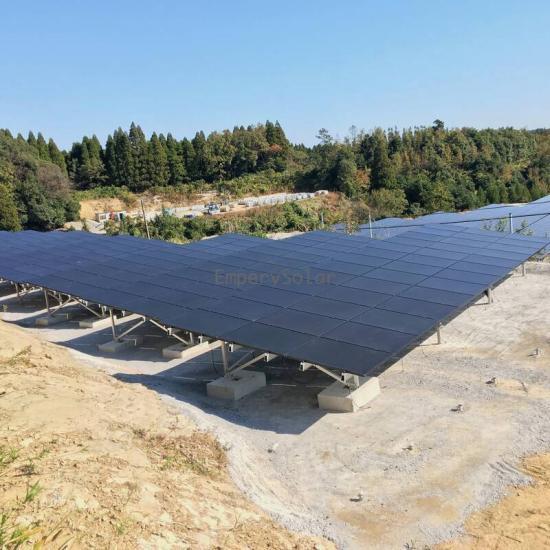
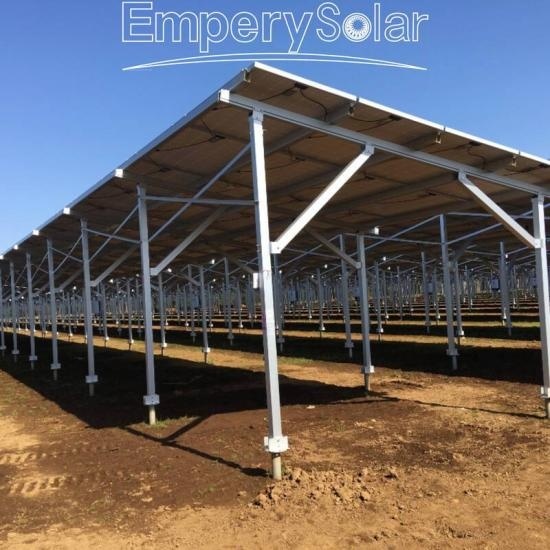
Ground mount solar racking systems are installed directly on the ground, making them suitable for homeowners with ample land. This type of installation often allows for larger solar arrays, which can generate more power than typical roof-mounted systems.
Advantages of Ground Mount Solar Racking
1. **Higher Energy Production**: Ground-mounted systems can be positioned to maximize sunlight exposure, often leading to higher energy output.
2. **Easier Maintenance**: With ground mounts, accessing the panels for cleaning and maintenance is typically easier than on a roof.
3. **Flexibility in Design**: Ground mounts can be adjusted and oriented more easily than roof mounts, allowing for optimal angles to capture sunlight.
Disadvantages of Ground Mount Solar Racking
1. **Space Requirements**: Ground mounts require significant space, which may not be available in urban or densely populated areas.
2. **Higher Installation Costs**: Ground installations can be more expensive due to additional labor and equipment needed for installation.
3. **Potential Ground Issues**: Soil quality and stability must be assessed, as certain types of ground may not be suitable for mounting.
What is Roof Mount Solar Racking?
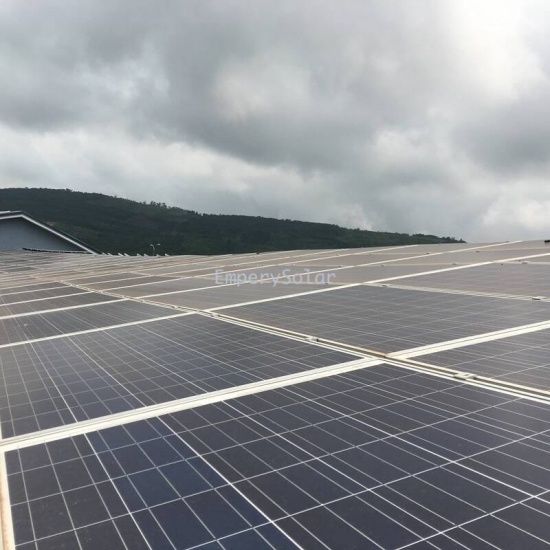
Roof mount solar racking systems are installed on the rooftops of buildings and homes. This option is often chosen by homeowners with limited land or in urban environments where space is at a premium.
Advantages of Roof Mount Solar Racking
1. **Space Efficiency**: Utilizing rooftop space can save valuable land, particularly in urban areas where land is scarce.
2. **Lower Installation Costs**: Roof mounts often have lower installation costs due to less complex mounting requirements and reduced labor.
3. **Aesthetic Appeal**: Many homeowners prefer the look of solar panels integrated into their roofs, maintaining the home’s exterior appearance.
Disadvantages of Roof Mount Solar Racking
1. **Limited Capacity**: Roof space may limit the number of solar panels that can be installed, potentially reducing energy output.
2. **Maintenance Challenges**: Accessing rooftop systems for cleaning and maintenance can be more challenging compared to ground mounts.
3. **Structural Considerations**: The roof must be strong enough to support the panels, which may require additional assessments or reinforcements.
Comparative Analysis: Ground Mount vs. Roof Mount
To help you make an informed decision, we will analyze both systems based on several critical factors.
1. Installation Costs
The cost of installation can vary widely between ground mounts and roof mounts. Ground-mounted systems generally require more labor and materials, leading to higher overall costs. Roof mounts, on the other hand, may be more affordable due to their simpler installation process. However, the total cost will depend on local labor rates, terrain, and the complexity of the installation.
2. Energy Efficiency and Production
Energy production is a significant factor when deciding on a solar racking system. Ground-mounted systems often have the upper hand here, as they can be oriented optimally towards the sun without obstructions. In contrast, roof-mounted systems may face limitations from roof angles, shading from nearby structures, or trees, leading to potentially lower energy production.
3. Aesthetic Considerations
For many homeowners, aesthetics are crucial when choosing a solar racking system. Roof mounts tend to blend seamlessly with existing structures, while ground mounts can impact the landscape and require more space. The choice may ultimately come down to personal preference regarding how visible the solar system will be.
4. Maintenance and Accessibility
Maintenance is an essential aspect of solar energy production. Ground-mounted systems are often easier to access, making regular maintenance simpler. In contrast, roof mounts require ladders or scaffolding, which can complicate cleaning and repairs.
5. Local Regulations and Zoning
Understanding local regulations is vital when installing a solar system. Some municipalities have specific guidelines regarding the installation of solar panels, particularly for ground mounts. It's crucial to check zoning laws to ensure compliance and avoid potential fines or installation issues.
Factors Influencing Your Choice
Ultimately, the decision between ground mount and roof mount solar racking systems will depend on a variety of factors unique to your situation.
1. Available Space
Consider how much space you have available for a solar installation. If you have ample land that can accommodate a ground mount, you may find this option more beneficial. Conversely, if you live in a densely populated area with limited land, a roof mount may be the only feasible choice.
2. Energy Needs and Goals
Assess your energy production needs. If your goal is to generate a significant amount of energy, a ground mount system may be more appropriate due to its capacity for larger arrays. If your energy needs are modest, a roof mount may suffice.
3. Budget Constraints
Evaluate your budget for the solar installation. Ground mounts typically have higher upfront costs but may offer greater long-term savings due to increased energy production. On the other hand, roof mounts often have lower installation costs, making them appealing for those with budget constraints.
4. Aesthetic Preferences
Consider how each installation type aligns with your home's aesthetic. If you prefer a more integrated look, roof mounts may be the way to go. However, if you prioritize energy efficiency over appearance, ground mounts may be more advantageous.
Frequently Asked Questions (FAQs)
1. How do I determine which solar racking system is best for me?
Assess your space availability, energy needs, budget, and aesthetic preferences to make an informed decision.
2. Are ground mounts more expensive than roof mounts?
Generally, yes. Ground mounts usually involve higher installation costs due to more materials and labor required.
3. Can I install solar panels on a flat roof?
Yes, solar panels can be installed on flat roofs using specialized racking systems that can tilt the panels for optimal sun exposure.
4. What maintenance is required for solar racking systems?
Regular cleaning and inspections are recommended to ensure optimal performance. Ground mounts are typically easier to maintain than roof mounts.
5. Do I need a permit to install solar panels?
Yes, most regions require permits for solar installations. Check with your local authorities for specific regulations and guidelines.
Conclusion
Choosing between ground mount and roof mount solar racking systems requires careful consideration of multiple factors, including space, energy needs, budget, and aesthetics. Ground mounts can offer superior energy production and easier maintenance, while roof mounts provide a space-efficient alternative. By thoroughly evaluating these aspects, you can make a well-informed decision that aligns with your energy goals and personal preferences. Whether you opt for ground or roof mount systems, investing in solar energy will contribute to a sustainable future and potentially significant savings on energy costs.
RELATED BLOG

EmperySolar Celebrates Mid-Autumn Festival with a Bo Bing Dinner
Xiamen EmperySolar hosted a Mid-Autumn Bo Bing dinner to celebrate Minnan culture, appreciate employees and strengthen team spirit.
View Details


Xiamen Empery Solar Technology Co.,Ltd.

Room 611, Quanyutong Business center, No.368, Xianhou She, Huli Districts. Xiamen,China.


Whatsapp : +86-13950145677


