

language
Product



News
Our company offers a comprehensive set of products in the industrial, commercial and
residential fields.
Understanding Ground Mount Solar Racking: An Essential Component for Solar Energy Systems
Release time:
2026-07-21
Ground mount solar racking is a critical component in the solar energy landscape, specifically designed to support solar panels securely on the ground rather than on rooftops. This type of racking system offers several advantages, particularly for larger solar installations where space is abundant and optimal energy production is a priority.
One of the primary benefits of ground mount solar racking is its flexibility in design and installation. Unlike rooftop systems that may be restricted by the size and orientation of a building, ground-mounted installations can be customized to maximize solar exposure, ensuring that panels are positioned for optimal sunlight capture throughout the day. This flexibility not only enhances energy efficiency but also allows for easier maintenance access, as technicians can operate from the ground level without the need for specialized equipment or safety measures associated with roof work.
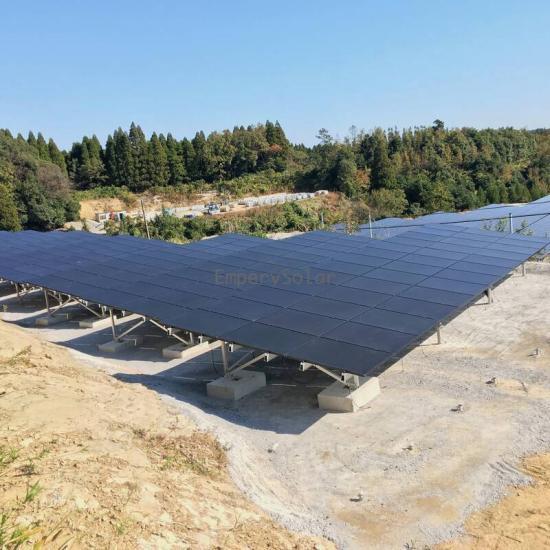
Moreover, ground mount solar racking systems can accommodate various terrains and conditions. Whether the land is flat, sloped, or uneven, there are racking solutions available that can adapt to these challenges. This adaptability is particularly beneficial in industrial settings where land use may be optimized for energy generation without the constraints of existing structures.
In addition to flexibility and adaptability, ground mount solar racking systems typically provide higher energy output compared to rooftop installations. This is mainly due to the ability to properly tilt the panels at optimal angles, reducing shading and allowing for better airflow around the solar modules. Enhanced airflow can lead to improved efficiency, as solar panels operate more effectively at cooler temperatures.
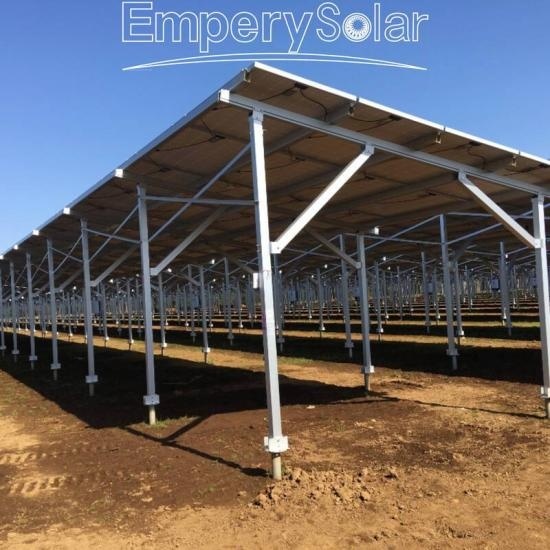
Another consideration when selecting ground mount solar racking is material durability and environmental resistance. Many systems are constructed from galvanizing or anodized aluminum, ensuring longevity and resistance to corrosion and other environmental factors. This durability is crucial for installations that may face harsh weather conditions, contributing to the overall lifespan and reliability of the solar power system.
Finally, when planning a ground mount solar racking installation, it is essential to consider local regulations and permitting requirements. Each region may have specific guidelines governing land use, zoning, and environmental protection that can affect the placement and design of solar installations. Engaging with local authorities early in the planning process can smooth the path to installation and help ensure compliance with all regulations.
In summary, ground mount solar racking is an essential element of solar energy systems, providing flexibility, adaptability, and enhanced energy production. Understanding the various aspects of these systems can empower businesses and individuals to make informed decisions about their solar energy projects, ultimately contributing to a more sustainable and efficient energy future.
One of the primary benefits of ground mount solar racking is its flexibility in design and installation. Unlike rooftop systems that may be restricted by the size and orientation of a building, ground-mounted installations can be customized to maximize solar exposure, ensuring that panels are positioned for optimal sunlight capture throughout the day. This flexibility not only enhances energy efficiency but also allows for easier maintenance access, as technicians can operate from the ground level without the need for specialized equipment or safety measures associated with roof work.
Moreover, ground mount solar racking systems can accommodate various terrains and conditions. Whether the land is flat, sloped, or uneven, there are racking solutions available that can adapt to these challenges. This adaptability is particularly beneficial in industrial settings where land use may be optimized for energy generation without the constraints of existing structures.
In addition to flexibility and adaptability, ground mount solar racking systems typically provide higher energy output compared to rooftop installations. This is mainly due to the ability to properly tilt the panels at optimal angles, reducing shading and allowing for better airflow around the solar modules. Enhanced airflow can lead to improved efficiency, as solar panels operate more effectively at cooler temperatures.
Another consideration when selecting ground mount solar racking is material durability and environmental resistance. Many systems are constructed from galvanizing or anodized aluminum, ensuring longevity and resistance to corrosion and other environmental factors. This durability is crucial for installations that may face harsh weather conditions, contributing to the overall lifespan and reliability of the solar power system.
Finally, when planning a ground mount solar racking installation, it is essential to consider local regulations and permitting requirements. Each region may have specific guidelines governing land use, zoning, and environmental protection that can affect the placement and design of solar installations. Engaging with local authorities early in the planning process can smooth the path to installation and help ensure compliance with all regulations.
In summary, ground mount solar racking is an essential element of solar energy systems, providing flexibility, adaptability, and enhanced energy production. Understanding the various aspects of these systems can empower businesses and individuals to make informed decisions about their solar energy projects, ultimately contributing to a more sustainable and efficient energy future.
RELATED BLOG

Meet Empery Solar at the 18th Solar PV & Energy Storage World Expo
Visit Empery Solar at Booth 10.2 Hall B592 in Guangzhou from September 16–18, 2026, to explore reliable solar mounting solutions.
View Details


Xiamen Empery Solar Technology Co.,Ltd.

Room 611, Quanyutong Business center, No.368, Xianhou She, Huli Districts. Xiamen,China.


Whatsapp : +86-13950145677


