

language
Product



News
Our company offers a comprehensive set of products in the industrial, commercial and
residential fields.
Fixed Tilt Ground Mount Systems: A Cost-Effective Solar Solution
Release time:
2026-07-23
Fixed Tilt Ground Mount Systems: A Cost-Effective Solar Solution
Table of Contents
- 1. Introduction to Fixed Tilt Ground Mount Systems
- 2. What Are Fixed Tilt Ground Mount Systems?
- 3. Advantages of Fixed Tilt Ground Mount Systems
- 4. Installation Process of Fixed Tilt Ground Mount Systems
- 5. Enhancing Solar Energy Efficiency
- 6. Maintaining Fixed Tilt Ground Mount Systems
- 7. Cost Considerations for Fixed Tilt Ground Mount Systems
- 8. FAQs on Fixed Tilt Ground Mount Systems
- 9. Conclusion
1. Introduction to Fixed Tilt Ground Mount Systems
Fixed tilt ground mount systems are a popular choice for harnessing solar energy, particularly for commercial and larger residential applications. These systems are designed to hold solar panels at a set angle, optimizing their efficiency based on geographical conditions. In this article, we will explore the various aspects of fixed tilt ground mount systems, including their benefits, installation process, and maintenance requirements.
2. What Are Fixed Tilt Ground Mount Systems?
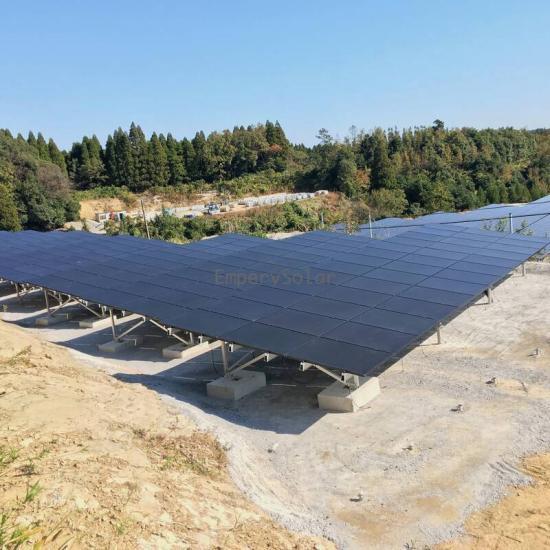
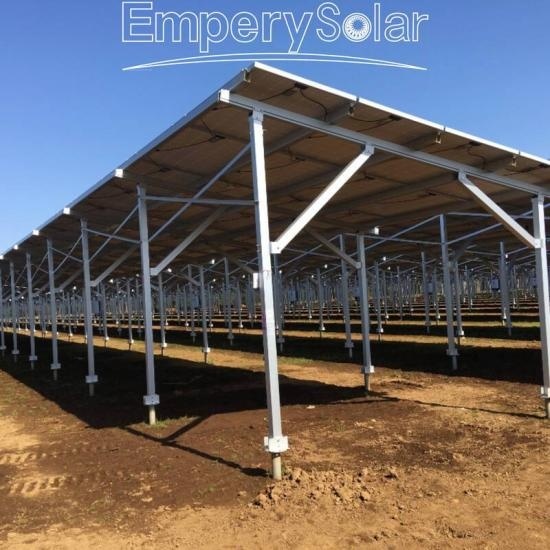
A fixed tilt ground mount system consists of solar panels mounted on a stationary frame, which is securely anchored to the ground. Unlike solar tracking systems that adjust the angle of the panels to follow the sun, fixed tilt systems maintain a consistent tilt angle, which is usually optimized for local latitude. This design simplifies the installation process and often makes it a more cost-effective option for solar energy generation.
Key Components of Fixed Tilt Ground Mount Systems
- **Solar Panels**: The main component that converts sunlight into electricity.
- **Mounting Structure**: A robust frame that supports the solar panels.
- **Anchoring System**: Components that secure the structure to the ground, typically using concrete or driven piles.
- **Wiring and Electrical Components**: Necessary for connecting the solar panels to the inverter and electrical system.
3. Advantages of Fixed Tilt Ground Mount Systems
Fixed tilt ground mount systems offer several advantages that make them appealing to both residential and commercial users.
3.1 Cost-Effectiveness
One of the most significant benefits of fixed tilt systems is their cost-effectiveness. They require fewer materials and less labor for installation compared to tracking systems. The simplicity of the design reduces both upfront and long-term costs, making solar energy accessible to a broader audience.
3.2 Ease of Installation
The installation process for fixed tilt systems is generally straightforward and faster than for other types of solar mounting systems. Once the site assessment is complete, the construction of the frame and mounting of the panels can be done in a fraction of the time, leading to quicker return on investment.
3.3 Low Maintenance Needs
Fixed tilt ground mount systems require minimal maintenance. Regular checks for debris accumulation and occasional cleaning of the solar panels are typically sufficient to ensure optimal performance. This low maintenance requirement contributes to their appeal, particularly for commercial applications where operational efficiency is crucial.
4. Installation Process of Fixed Tilt Ground Mount Systems
Installing a fixed tilt ground mount system involves several critical steps to ensure proper functionality and longevity.
4.1 Site Assessment
A comprehensive site assessment is the first step in the installation process. This involves evaluating factors such as sunlight exposure, potential shading from trees or buildings, and soil conditions. Understanding these elements can help determine the optimal placement and angle for the solar panels.
4.2 Design and Planning
After the site assessment, the next phase involves designing the system. This includes deciding on the tilt angle and the overall layout of the solar panels. Factors like local climate, regulations, and energy needs will influence the design.
4.3 Installation
The installation phase includes assembling the mounting structure, securing it to the ground, and attaching the solar panels. Electrical components are then installed to connect the system to the grid or a battery storage system. Finally, a thorough inspection is conducted to ensure everything is functioning correctly.
5. Enhancing Solar Energy Efficiency
To maximize the output of a fixed tilt ground mount system, consider these strategies:
Optimal Tilt Angle
Determining the right tilt angle is crucial for enhancing efficiency. The optimal angle varies based on geographical location and seasonal changes.
Regular Cleaning
Keeping the solar panels clean is essential for maintaining their efficiency. Dust, dirt, and debris can significantly reduce their ability to absorb sunlight.
Monitor Performance
Using monitoring systems to track the performance of the solar panels can help identify any issues early on, allowing for prompt maintenance or adjustments.
6. Maintaining Fixed Tilt Ground Mount Systems
Maintenance is key to ensuring the longevity and efficiency of fixed tilt ground mount systems.
Routine Inspections
Conducting routine inspections for wear and tear on the mounting structure, as well as checking electrical connections, can prevent larger issues.
Cleaning Protocols
Establishing a cleaning schedule will ensure that the panels remain clear of obstructions that could hinder solar absorption.
Upkeep of Electrical Components
Regularly checking the inverter and electrical components for functionality is essential to ensure the entire system operates smoothly.
7. Cost Considerations for Fixed Tilt Ground Mount Systems
When considering a fixed tilt ground mount system, several cost factors come into play:
Initial Investment
The upfront cost includes purchasing solar panels, mounting structures, and installation labor. Fixed tilt systems typically have lower initial costs compared to tracking systems.
Long-Term Savings
While the initial investment may be lower, the long-term savings can be significant. Fixed tilt systems generally require less maintenance and have lower operational costs.
Incentives and Rebates
Many governments offer incentives, tax credits, or rebates for installing solar energy systems. Researching available options can help offset installation costs.
8. FAQs on Fixed Tilt Ground Mount Systems
1. What is the typical lifespan of a fixed tilt ground mount system?
Most fixed tilt ground mount systems have a lifespan of 25 years or more, depending on the quality of materials used and proper maintenance.
2. Can fixed tilt ground mount systems work in areas with heavy snowfall?
Yes, fixed tilt systems can be engineered to withstand heavy snowfall. The tilt angle should be optimized to allow snow to slide off naturally.
3. Are fixed tilt ground mount systems suitable for residential use?
Absolutely. Fixed tilt systems are versatile and can be effectively used in both residential and commercial applications.
4. How much energy can I expect to generate from a fixed tilt ground mount system?
The energy output depends on the size of the system, the efficiency of the solar panels, and environmental factors. A properly designed system can significantly reduce energy costs.
5. What should I consider before installing a fixed tilt ground mount system?
Consider factors such as site location, local regulations, available incentives, and your energy needs to ensure you choose the right system for your requirements.
9. Conclusion
Fixed tilt ground mount systems represent a **cost-effective** and efficient solution for solar energy generation, appealing to a wide range of users. With their **ease of installation**, **low maintenance needs**, and **long-term savings**, these systems provide a reliable way to harness renewable energy. By understanding the installation process, maintenance requirements, and cost considerations, individuals and businesses can make informed decisions that contribute to a sustainable energy future. Embrace the benefits of fixed tilt ground mount systems today and invest in a greener tomorrow.
RELATED BLOG

Meet Empery Solar at the 18th Solar PV & Energy Storage World Expo
Visit Empery Solar at Booth 10.2 Hall B592 in Guangzhou from September 16–18, 2026, to explore reliable solar mounting solutions.
View Details


Xiamen Empery Solar Technology Co.,Ltd.

Room 611, Quanyutong Business center, No.368, Xianhou She, Huli Districts. Xiamen,China.


Whatsapp : +86-13950145677


