

Product



News
Our company offers a comprehensive set of products in the industrial, commercial and
residential fields.
Why a Reliable Solar Mounting System Matters for Your Energy Needs
Release time:
2026-07-27
Why a Reliable Solar Mounting System Matters for Your Energy Needs
Introduction to Solar Energy Systems
The increasing demand for renewable energy has propelled solar energy systems into the spotlight. As we strive for sustainability and energy independence, solar power has emerged as a viable solution for residential and commercial energy needs. However, the efficiency and reliability of a solar energy system hinge significantly on one crucial component: the solar mounting system.
This article delves into the significance of a reliable solar mounting system, focusing on how it impacts your energy production, system safety, and overall longevity. Through understanding the intricacies of solar mounting solutions, you can make informed decisions that enhance your energy needs.
Understanding Solar Mounting Systems
What is a Solar Mounting System?
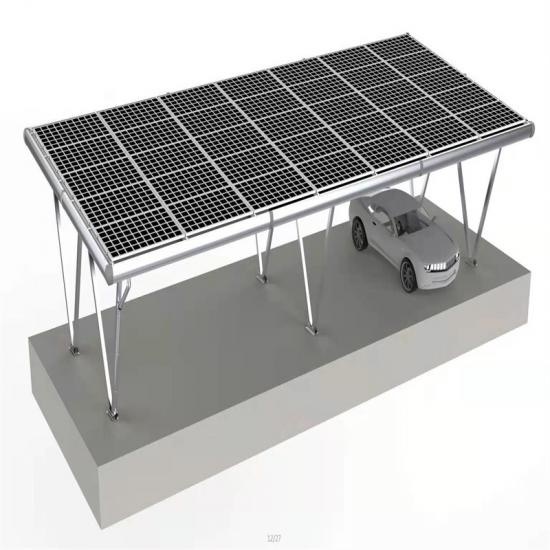
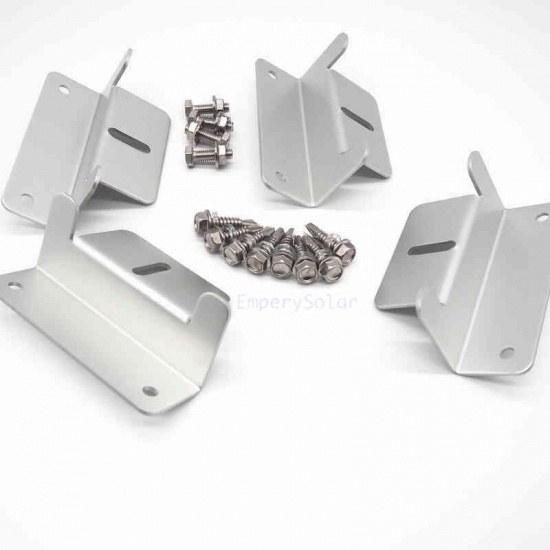
A solar mounting system is the framework that secures solar panels to a structure or the ground. It ensures that the panels are optimally positioned to capture sunlight while withstanding environmental factors like wind, rain, and snow. There are primarily two types of solar mounting systems: roof-mounted and ground-mounted.
Types of Solar Mounting Systems
1. **Roof-Mounted Systems**:
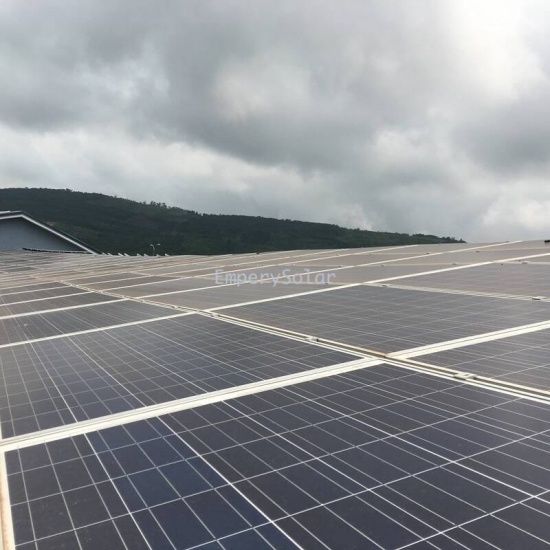
- These systems attach directly to a building's roof. They are ideal for residential applications.
- Roof mounts include adjustable mounts that allow for optimal tilt angles, maximizing energy capture.
2. **Ground-Mounted Systems**:
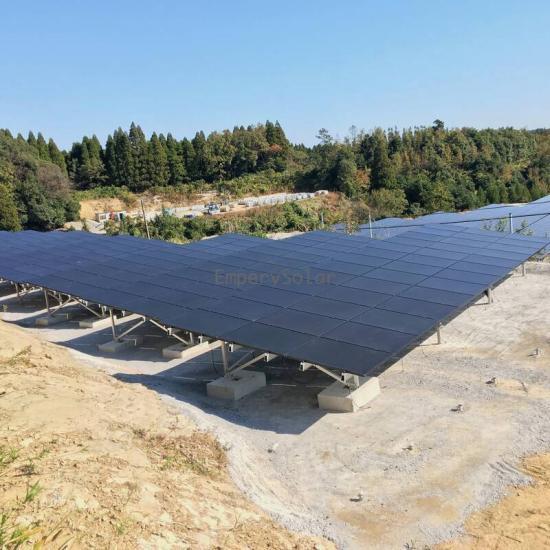
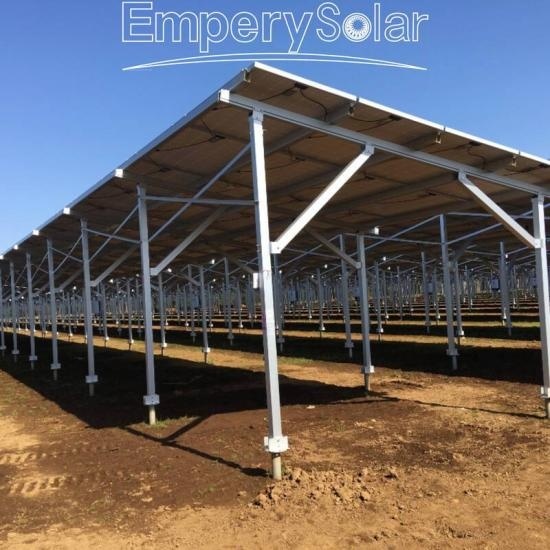
- Installed on the ground, these systems are suitable for larger solar arrays.
- They offer greater flexibility in orientation and spacing, which can enhance overall energy production.
Both types of mounting systems require careful consideration of materials, design, and installation practices to ensure their effectiveness.
The Importance of Reliability in Solar Mounting Systems
Maximizing Energy Production
A reliable solar mounting system plays a vital role in maximizing energy production. Proper installation and orientation ensure that solar panels capture the maximum amount of sunlight throughout the day.
- **Optimal Angle and Orientation**: A dependable mounting system allows for adjustments in tilt and orientation, enabling panels to optimize sun exposure.
- **Prevention of Shading**: A well-designed mounting system positions panels to avoid shading from nearby trees, buildings, or other obstructions.
This careful positioning leads to increased solar energy generation, ultimately reducing reliance on conventional energy sources and lowering utility bills.
Ensuring Safety and Durability
The safety of your solar energy system is paramount. A reliable mounting system provides the necessary structural integrity to withstand external pressures such as wind load, snow load, and seismic activity.
- **Material Durability**: High-quality materials such as aluminum and stainless steel are essential for long-lasting performance. They resist corrosion, ensuring that the mounting system remains functional over time.
- **Wind Resistance**: Properly engineered mounts prevent panels from detaching during strong winds, significantly reducing the risk of damage or hazards.
Investing in a reliable solar mounting system safeguards not only the solar panels but also the property and individuals around them.
Longevity and Maintenance
A key aspect of any solar energy system is its lifespan. A reliable solar mounting system can significantly extend the life of your solar panels and minimize maintenance costs.
- **Reduced Wear and Tear**: By securely holding panels in place, a robust mounting solution prevents unnecessary movement and wear that can lead to damage.
- **Easier Maintenance Access**: Well-designed mounting systems facilitate easier access to solar panels for cleaning and maintenance, ensuring consistent energy production.
Choosing a high-quality mounting system is an investment in the longevity of your solar power system.
Factors to Consider When Choosing a Solar Mounting System
When selecting a solar mounting system, several factors must be evaluated to ensure reliability and effectiveness.
1. Material Quality
The material used in the mounting system significantly affects its durability and lifespan. Look for systems made of corrosion-resistant materials like aluminum and stainless steel.
2. Load Capacity
Ensure that the mounting system can handle the weight of your solar panels and withstand local environmental conditions, including wind and snow loads.
3. Installation Ease
Opt for mounting systems that offer straightforward installation processes. This not only saves time but also reduces labor costs.
4. Warranty and Support
A reliable manufacturer will provide warranties and support for their products. A comprehensive warranty reflects the manufacturer’s confidence in their mounting systems.
5. Aesthetic Considerations
A solar mounting system should blend well with your building or property style. Choose designs that complement the aesthetics without compromising functionality.
Common FAQs about Solar Mounting Systems
1. How do I know if my solar mounting system is reliable?
Reliability can be assessed by considering the materials used, load capacity ratings, and manufacturer warranties. Look for systems backed by positive customer reviews and industry certifications.
2. Can I install solar panels without a mounting system?
No, a mounting system is essential for securing solar panels in place and ensuring their optimal performance. It provides stability and safety under various weather conditions.
3. What maintenance do solar mounting systems require?
Regular inspections for rust, corrosion, and structural integrity should be conducted. Additionally, ensure that solar panels are clean and free from debris for optimal energy production.
4. Are ground-mounted systems more efficient than roof-mounted systems?
Efficiency depends on several factors, including location and installation angle. Ground-mounted systems often allow for better positioning and sunlight exposure, but roof-mounted systems are more space-efficient for residential applications.
5. How long do solar mounting systems last?
With proper installation and maintenance, high-quality solar mounting systems can last 25 years or more, often matching the lifespan of the solar panels themselves.
Conclusion
In the quest for sustainable energy solutions, the importance of a reliable solar mounting system cannot be overstated. It is the backbone of your solar energy system, impacting energy production, safety, and longevity. By understanding the factors that contribute to a high-quality mounting system, you can make informed decisions that enhance your energy needs. Prioritize reliability by investing in durable materials, ensuring proper installation, and choosing systems that align with your specific requirements. In doing so, you will not only maximize your energy efficiency but also contribute to a greener, more sustainable future.
RELATED BLOG

Why a Reliable Solar Mounting System Matters for Your Energy Needs
Why a Reliable Solar Mounting System Matters for Your Energy Needs Introduction to Solar Energy Systems The increasing demand for renewable energy has propelled solar energy systems into the spotlight. As we strive for sustainability and energy independence, solar power has emerged as a viable solution for residential and commercial energy needs. However, the efficiency and reliability of a solar
View Details


Xiamen Empery Solar Technology Co.,Ltd.

Room 611, Quanyutong Business center, No.368, Xianhou She, Huli Districts. Xiamen,China.


Whatsapp : +86-13950145677


