

Product



News
Our company offers a comprehensive set of products in the industrial, commercial and
residential fields.
Understanding Solar Mounting Systems: Key Insights for Efficient Solar Power Installation
Release time:
2026-08-10
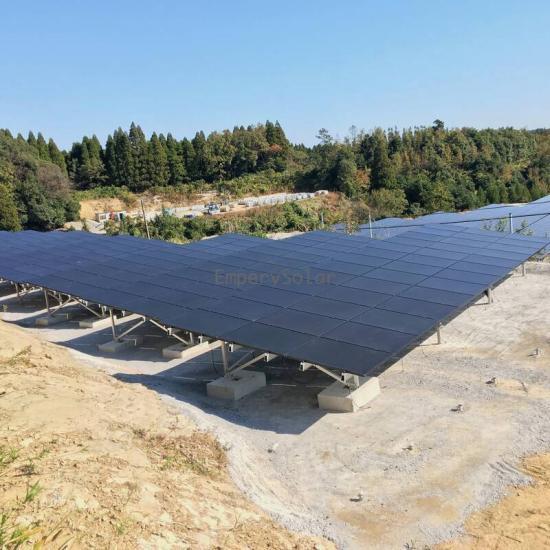
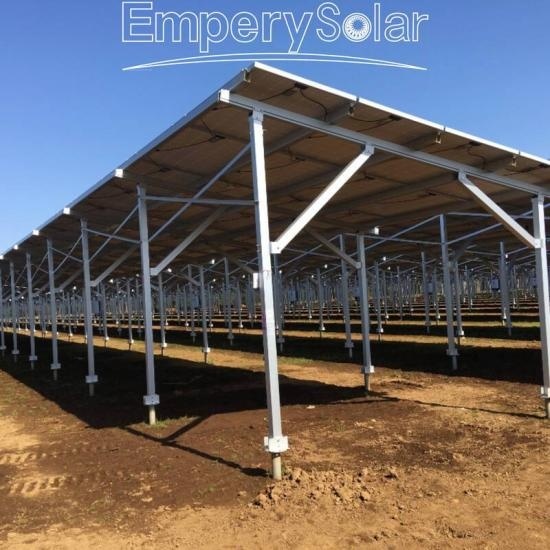
There are primarily three types of solar mounting systems: ground-mounted, roof-mounted, and pole-mounted systems. Ground-mounted systems are often used when there is ample land available. They allow for optimal positioning and adjustment of panels to capture maximum sunlight. These systems can be fixed or adjustable, enabling an increase in energy production throughout the year.
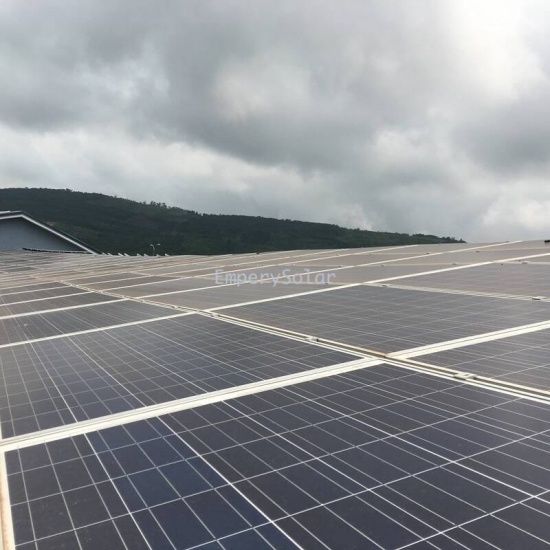
Roof-mounted systems are the most common for residential installations. They are attached to the roof structure and can be either flush-mounted or tilted. Flush-mounted systems lie parallel to the roof, making them less obtrusive and more aesthetically pleasing. Tilted systems, on the other hand, can be adjusted to the optimal angle for solar exposure, increasing efficiency. However, it’s crucial to assess the roof's structural integrity and orientation before installation to avoid potential issues down the line.
Pole-mounted systems are less common but provide benefits in specific situations. They are typically used in areas where ground space is limited or where there is a need for higher elevation to avoid obstructions such as trees or buildings. These systems can also be designed to track the sun’s movement, further enhancing energy capture.
When considering a solar mounting system, several factors should be taken into account. The first is the location and environmental conditions. Systems must be designed to withstand local weather conditions, including wind, snow, and rain. Proper site assessment is crucial to determine the best type of mounting system suited for the area.
Another significant consideration is the orientation and angle of the solar panels. Ideally, solar panels should face south (in the Northern Hemisphere) for maximum exposure to sunlight. Additionally, the tilt angle of the panels can impact the overall energy output, thus requiring careful planning during installation.
Lastly, the choice of materials for the mounting system can affect both durability and cost. High-quality materials are essential for longevity and performance, especially in harsh weather conditions. It's also essential to ensure that all components are compliant with local codes and regulations to avoid any legal complications.
In summary, a solar mounting system plays a critical role in the overall efficiency and effectiveness of solar power installations. By understanding the different types of systems, considering environmental factors, and selecting the right materials, you can ensure a successful and efficient solar energy project.
RELATED BLOG

Understanding Solar Mounting Systems: Key Insights for Efficient Solar Power Installation
Solar mounting systems are a vital element in the installation of solar power systems, serving as the foundation that supports solar panels in various environments. Understanding the different types of solar mounting systems is essential for maximizing the efficiency and durability of solar energy solutions. There are primarily three types of solar mounting systems: ground-mounted, roof-mounted, a
View Details


Xiamen Empery Solar Technology Co.,Ltd.

Room 611, Quanyutong Business center, No.368, Xianhou She, Huli Districts. Xiamen,China.


Whatsapp : +86-13950145677


