

language
Product



News
Our company offers a comprehensive set of products in the industrial, commercial and
residential fields.
Expert Guide to Best Practices for Maintaining Your Fixed Tilt Ground Mount System
Release time:
2026-08-20
Best Practices for Maintaining Your Fixed Tilt Ground Mount System
Introduction to Fixed Tilt Ground Mount Systems
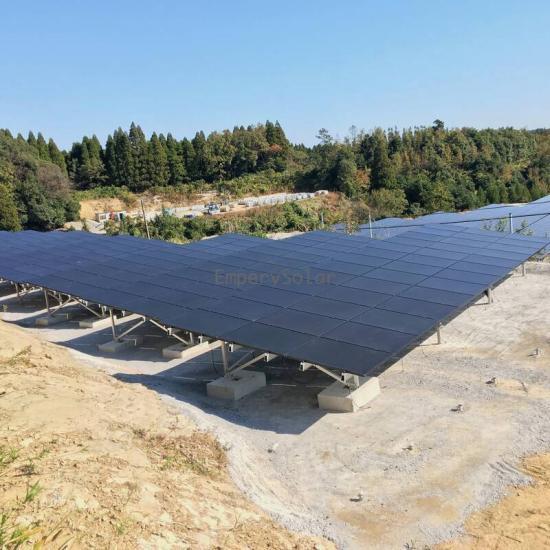
Fixed tilt ground mount systems are a popular choice for solar energy installations, particularly due to their simplicity and effectiveness. These systems allow solar panels to be mounted at a fixed angle, optimizing their exposure to sunlight throughout the day. To ensure these systems operate efficiently, regular maintenance is crucial. Proper upkeep not only maximizes energy production but also extends the life of the equipment involved.
Understanding the Components of Your Fixed Tilt Ground Mount System
Key Components of a Fixed Tilt Ground Mount System
To maintain your fixed tilt ground mount system effectively, it's important to have a thorough understanding of its core components. These typically include:
- **Solar Panels**: The heart of the system, converting sunlight into electricity.
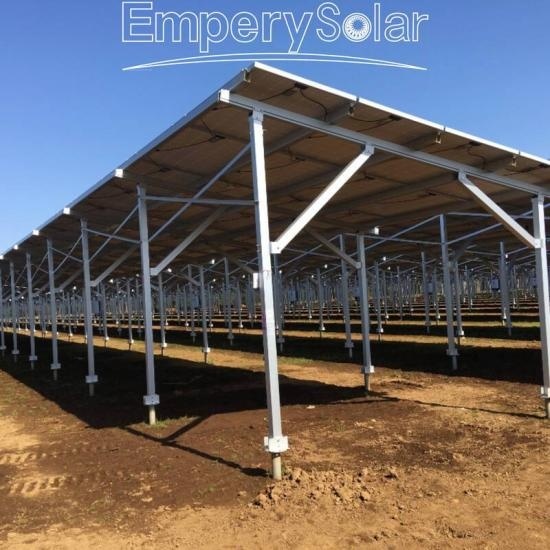
- **Mounting Structure**: The framework that holds the solar panels in place, often made of aluminum or steel.
- **Inverter**: Converts the direct current (DC) generated by solar panels into alternating current (AC) for home use.
- **Electrical Wiring**: Connects the panels to the inverter and ultimately to the electrical grid.
- **Grounding System**: Ensures safety and prevents electrical hazards.
Importance of Regular Inspections
Regular inspections are fundamental in identifying potential issues before they escalate. We recommend conducting visual checks at least twice a year, focusing on:
- **Physical Condition of Panels**: Look for cracks, scratches, or other damage.
- **Mounting Structure Integrity**: Inspect for rust or corrosion and ensure all bolts and fasteners are tight.
- **Inverter Performance**: Monitor for error codes or warning lights, which could indicate performance issues.
Seasonal Maintenance Tasks for Optimal Performance
Spring Maintenance: Preparing for Peak Production
As winter fades, it’s crucial to prepare your solar system for the increased sunlight of spring. Here are essential tasks:
1. **Clean Solar Panels**: Remove dirt, debris, and bird droppings using a soft brush or a squeegee with soapy water. Avoid using harsh chemicals that can damage the panels.
2. **Inspect All Components**: Ensure that the mounting structure and electrical connections are intact and free from corrosion.
3. **Test Inverter Functionality**: Check the inverter display for any warning messages and ensure it's operating within normal parameters.
Summer Maintenance: Maximizing Output
With long sunny days, your solar system should be working at its peak. To sustain efficiency:
1. **Monitor Energy Production**: Keep track of energy output and compare it with expected production. Any significant drop might indicate an issue.
2. **Inspect for Overheating**: Ensure that the inverter is well-ventilated and free of dust. Overheating can lead to inefficiencies and may damage the unit.
Fall Maintenance: Preparing for Winter
As the days shorten, prepare your system for winter conditions:
1. **Clear Off Falling Leaves and Debris**: Regularly remove leaves and other debris that can block sunlight from hitting the panels.
2. **Check Electrical Connections**: Inspect all connections again, as temperature fluctuations can impact tightness.
3. **Inspect Grounding System**: Ensure that all ground connections are secure to prevent electrical hazards during winter storms.
Winter Maintenance: Snow Accumulation Issues
Winter poses unique challenges for solar systems, particularly with snow accumulation:
1. **Clear Snow Accumulation**: If snow covers the panels, gently remove it to restore sunlight exposure. Use a soft broom or a roof rake designed for solar panels to avoid damaging the surface.
2. **Monitor System Performance**: Keep an eye on the system’s output, as performance may significantly drop during this season.
Common Issues and Troubleshooting Your Fixed Tilt Ground Mount System
Identifying Performance Drop
A performance drop can stem from various factors. If you notice a significant decrease in energy production, consider the following troubleshooting steps:
1. **Check for Obstructions**: Identify if any trees, buildings, or debris are blocking sunlight from reaching the panels.
2. **Inspect Wiring for Damage**: Look for frayed wires or loose connections that may be causing energy loss.
3. **Evaluate Inverter Performance**: Review the inverter's manual for troubleshooting tips. Many issues can be resolved by resetting the inverter.
Dealing with Inverter Errors
Inverters may display error codes indicative of specific problems. Here are common errors and potential solutions:
1. **Overheating Error**: Ensure the inverter has adequate ventilation. If it's still overheating, consider relocating it to a cooler area or installing additional fans for cooling.
2. **Grid Connection Issues**: Check the circuit breaker and ensure that the grid connection is active. If the issue persists, consult a professional technician.
Enhancing Your Fixed Tilt Ground Mount System's Longevity
Importance of Professional Inspections
While DIY maintenance is valuable, periodic professional inspections can uncover hidden issues. We recommend hiring a certified technician at least once every few years for a thorough check-up.
Upgrading System Components
Consider upgrading components as technology advances. For example, newer inverters may offer better performance and efficiency. Investing in high-quality equipment can enhance the overall performance and longevity of your system.
Environmental Considerations in Maintenance
Maintaining your fixed tilt ground mount system isn't solely about mechanical integrity. It also involves understanding the environmental factors that can affect performance:
1. **Dust and Pollen**: Regions with high dust or pollen counts may require more frequent cleaning of solar panels.
2. **Birds and Wildlife**: Installing bird deterrents can prevent fouling caused by birds, which can block panel efficiency.
Conclusion
Maintaining a fixed tilt ground mount system is essential for ensuring optimal performance and longevity. By following these best practices, including regular inspections, seasonal maintenance, and troubleshooting common issues, you can safeguard your investment in solar energy. A well-maintained system not only maximizes energy production but also contributes to a sustainable future. Embrace these practices, and you'll enjoy the benefits of solar energy for years to come.
Frequently Asked Questions (FAQs)
1. How often should I clean my solar panels?
We recommend cleaning your solar panels at least twice a year, or more frequently if you live in an area with high dust or bird activity.
2. What should I do if my inverter shows an error code?
Consult the inverter’s manual for specific error code meanings. Often, resetting the inverter or checking connections will resolve the issue.
3. Can I install my fixed tilt ground mount system myself?
While DIY installation is possible, we recommend hiring a professional to ensure that the system is set up safely and efficiently.
4. How do I know if my solar panels are performing efficiently?
Regularly monitor your system's energy output and compare it with expected production based on sunlight availability and weather conditions.
5. What is the lifespan of a fixed tilt ground mount system?
With proper maintenance, a well-installed fixed tilt ground mount system can last 25 years or more. Regular upkeep is vital to achieving this longevity.
RELATED BLOG

EmperySolar Celebrates Mid-Autumn Festival with a Bo Bing Dinner
Xiamen EmperySolar hosted a Mid-Autumn Bo Bing dinner to celebrate Minnan culture, appreciate employees and strengthen team spirit.
View Details


Xiamen Empery Solar Technology Co.,Ltd.

Room 611, Quanyutong Business center, No.368, Xianhou She, Huli Districts. Xiamen,China.


Whatsapp : +86-13950145677


