

language
Product



News
Our company offers a comprehensive set of products in the industrial, commercial and
residential fields.
Maximizing Solar Efficiency: A Comprehensive Guide to Roof Mounting Systems
Release time:
2026-08-22
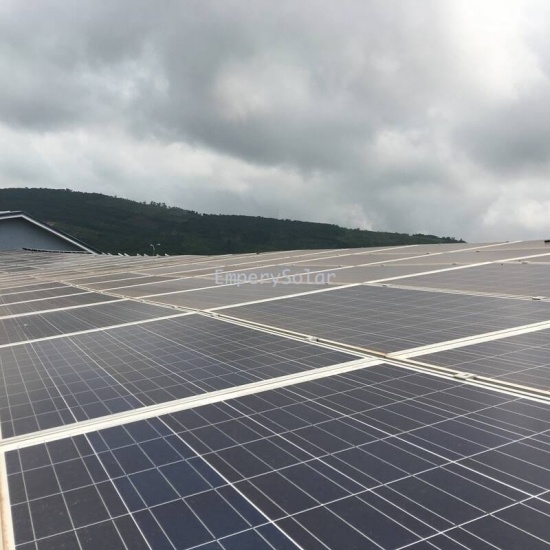
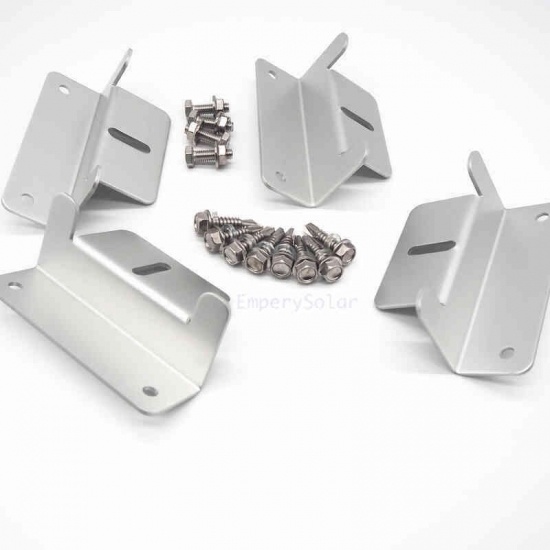
When it comes to solar power systems, the roof mounting system plays a pivotal role in ensuring maximum efficiency and longevity. These systems are designed to securely attach solar panels to the rooftops of buildings, allowing for optimal sunlight exposure while safeguarding the panels from environmental elements.
One of the primary advantages of a roof mounting system is its ability to utilize otherwise unused space. By installing solar panels on the roof, property owners can harness solar energy without sacrificing valuable ground space. This is particularly beneficial in urban areas where land is at a premium. Additionally, elevation can enhance solar panel exposure to sunlight, minimizing the effects of shade from nearby structures or trees.
Roof mounting systems typically come in two main types: fixed and adjustable. Fixed systems are stationary and designed to optimize performance based on the average sun path for the region. In contrast, adjustable systems allow for modifications in the angle of the panels, which can be beneficial in maximizing energy capture across different seasons. The choice between these systems often depends on specific site conditions, local climate, and energy needs.
Installation of a roof mounting system requires careful planning and execution. It is essential to assess the structural integrity of the roof to ensure it can support the weight of the solar panels and mounting hardware. Also, consideration must be given to the roof's orientation and pitch, as these factors will influence the overall performance of the solar array. Employing the expertise of professionals in the solar industry can help ensure that the installation is carried out effectively and safely.
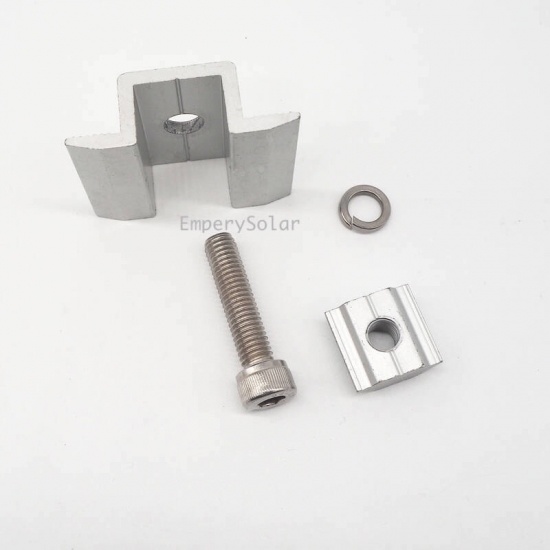
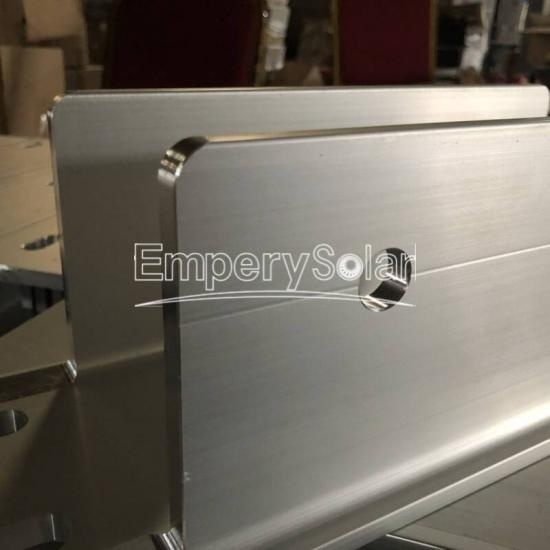
Another critical aspect to consider is the type of mounting hardware used. High-quality materials, such as aluminum or stainless steel, are recommended for their durability and resistance to corrosion. Furthermore, the mounting system should include features that allow for thermal expansion and contraction, which can occur due to temperature fluctuations.
Maintenance of the roof mounting system is also crucial. Regular inspections can help identify any issues such as loose fittings or damage to the roof itself, allowing for timely repairs that can prevent further complications. Cleaning the solar panels periodically ensures that dirt, debris, or snow does not obstruct sunlight, which can significantly impact energy production.
In conclusion, a roof mounting system is a vital component of any solar power installation. By understanding its design, installation requirements, and maintenance needs, property owners can maximize the benefits of solar energy, contributing to sustainability and energy independence. As the demand for renewable energy solutions continues to grow, investing in a reliable roof mounting system will be crucial for anyone looking to harness the power of the sun effectively.
RELATED BLOG

EmperySolar Successfully Concludes Participation in IGEM 2026 Malaysia
Xiamen Empery Solar Technology Co., Ltd. successfully concluded its participation in the 2026 International Greentech & Eco Products Exhibition & Conference Malaysia
View Details


Xiamen Empery Solar Technology Co.,Ltd.

Room 611, Quanyutong Business center, No.368, Xianhou She, Huli Districts. Xiamen,China.


Whatsapp : +86-13950145677


