

language
Product



News
Our company offers a comprehensive set of products in the industrial, commercial and
residential fields.
Understanding Different Types of Solar Mounting Systems: A Comprehensive Guide for Optimal Solar Energy Efficiency
Release time:
2026-08-24
Understanding Different Types of Solar Mounting Systems
Table of Contents
- Introduction to Solar Mounting Systems
- Importance of Choosing the Right Solar Mounting System
- Types of Solar Mounting Systems
- 1. Fixed Tilt Solar Mounting Systems
- 2. Adjustable Tilt Solar Mounting Systems
- 3. Ground-Mounted Solar Systems
- 4. Roof-Mounted Solar Systems
- 5. Pole-Mounted Solar Systems
- Installation Process of Solar Mounting Systems
- Key Considerations When Choosing a Solar Mounting System
- Costs Associated with Solar Mounting Systems
- Maintenance of Solar Mounting Systems
- Conclusion
- Frequently Asked Questions
Introduction to Solar Mounting Systems
The transition to solar energy has gained significant momentum in recent years due to its environmental benefits and decreasing costs. A crucial component of any solar energy system is the **solar mounting system**. This structure supports the solar panels and ensures they are positioned optimally to capture sunlight and produce energy efficiently. Understanding the different types of solar mounting systems available is essential when planning a solar installation, as it impacts system performance, longevity, and overall energy output.
Importance of Choosing the Right Solar Mounting System
Selecting the appropriate solar mounting system is paramount for maximizing energy production and ensuring the longevity of the solar panels. The right system will enhance the solar panels' exposure to sunlight, reduce installation and maintenance costs, and improve overall safety. Additionally, considering local regulations and environmental factors will help determine the best-fit solution for individual needs.
Types of Solar Mounting Systems
Several types of solar mounting systems are available, each with distinct advantages and applications. Below, we will explore the most commonly used systems.
1. Fixed Tilt Solar Mounting Systems
Fixed tilt solar mounting systems are perhaps the most straightforward and commonly used configurations. These installations hold solar panels at a fixed angle, typically aligned with the latitude of the location to optimize solar exposure throughout the year.
**Advantages of Fixed Tilt Systems**
- **Cost-Effective:** Fixed systems are generally less expensive to install due to their simple design and fewer moving parts.
- **Low Maintenance:** With no moving components, these systems require minimal maintenance.
- **Durability:** Fixed systems are robust and can withstand various weather conditions.
**Disadvantages of Fixed Tilt Systems**
- **Limited Efficiency:** They may not capture as much sunlight as adjustable or tracking systems, especially during the winter months or in locations with varying sun angles.
2. Adjustable Tilt Solar Mounting Systems
Adjustable tilt mounting systems allow users to change the angle of the solar panels based on seasonal variations in sunlight. This flexibility can enhance energy output, especially for locations with significant changes in the sun's path throughout the year.
**Advantages of Adjustable Tilt Systems**
- **Increased Efficiency:** By optimizing the angle, these systems can capture more sunlight, particularly in winter.
- **Customizable:** Users can adjust the panels according to their specific location and seasonal changes.
**Disadvantages of Adjustable Tilt Systems**
- **Higher Cost:** The initial investment is typically higher than fixed systems due to the complexity of the mechanism.
- **More Maintenance Required:** The moving parts necessitate regular inspections and maintenance.
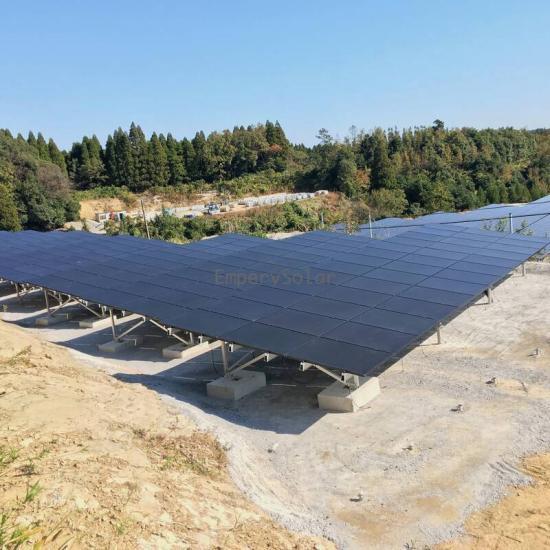
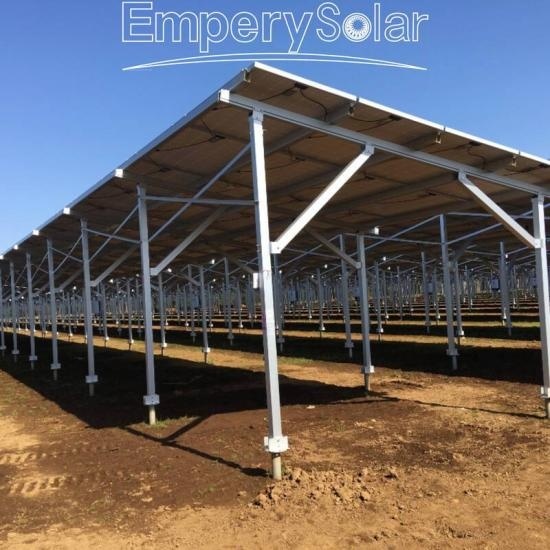
3. Ground-Mounted Solar Systems
Ground-mounted systems are installed directly on the ground rather than on rooftops. They are especially beneficial for properties with ample land space and can accommodate larger solar arrays.
**Advantages of Ground-Mounted Systems**
- **Greater Flexibility in Design:** They can be designed to suit larger installations, optimizing energy generation.
- **Easier Maintenance Access:** Ground-mounted systems are more accessible for cleaning and repairs.
**Disadvantages of Ground-Mounted Systems**
- **Space Requirements:** They necessitate sufficient land area, which may not be feasible for all property owners.
- **Potential for Higher Installation Costs:** Site preparation and mounting systems can increase the overall project cost.
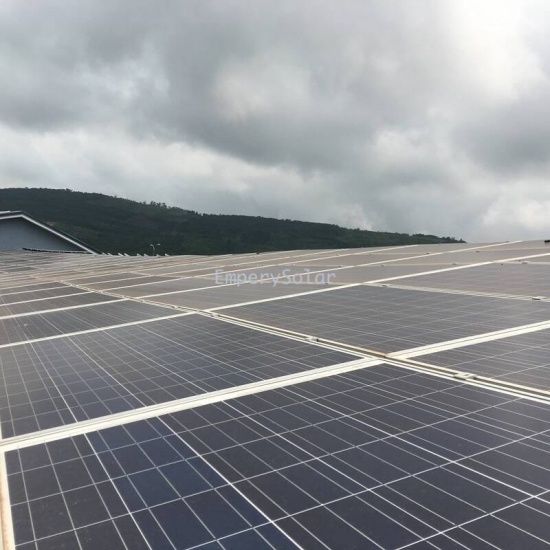
4. Roof-Mounted Solar Systems
Roof-mounted solar systems are installed directly on building rooftops, making them popular for residential and commercial applications.
**Advantages of Roof-Mounted Systems**
- **Space Efficiency:** They utilize existing structures, reducing the need for additional land.
- **Lower Installation Costs:** Typically, roof-mounted systems are less expensive to install than ground-mounted systems.
**Disadvantages of Roof-Mounted Systems**
- **Structural Considerations:** The roof must be in good condition and capable of supporting the added weight of the solar panels.
- **Potential for Limited Space:** Depending on the roof size and shape, it may not accommodate the desired solar array.
5. Pole-Mounted Solar Systems
Pole-mounted systems are installed on upright poles, elevating the solar panels above the ground. This configuration is often used in areas where ground space is limited or uneven.
**Advantages of Pole-Mounted Systems**
- **Maximized Sun Exposure:** Elevating the panels can improve their exposure to sunlight, especially in shaded areas.
- **Flexible Orientation:** These systems can be adjusted for optimal sun tracking.
**Disadvantages of Pole-Mounted Systems**
- **Higher Installation Cost:** The need for poles and additional structural components can increase costs.
- **Vulnerability to Wind:** Depending on the installation, these systems may be more susceptible to wind damage.
Installation Process of Solar Mounting Systems
The installation process for solar mounting systems involves several critical steps:
1. **Site Assessment:** Evaluate the installation location for suitability, considering factors such as sunlight exposure, roof condition, land area, and local regulations.
2. **Design Planning:** Create a plan that includes the type of system, layout, and angle of installation.
3. **Obtaining Permits:** Secure any necessary local permits and approvals.
4. **Installation of Mounting Structure:** Install the mounting structure based on the chosen system type, ensuring it is securely anchored.
5. **Panel Installation:** Attach the solar panels to the mounting structure, ensuring they are properly aligned for optimal performance.
6. **Wiring and Connection:** Connect the solar panels to the inverter and electrical system, ensuring all wiring is compliant with safety standards.
7. **Final Inspection:** Conduct a final inspection to ensure everything is installed correctly and functioning as intended.
Key Considerations When Choosing a Solar Mounting System
When selecting a solar mounting system, several factors should be taken into account:
- **Location:** Consider the geographical location and climate, which can influence the type of system that will be most effective.
- **Roof Condition:** If opting for a roof-mounted system, ensure the roof is structurally sound and suitable for installation.
- **Budget:** Evaluate the overall budget, including installation costs, maintenance, and potential energy savings.
- **Future Expansion:** Assess whether there may be a need for expansion of the system in the future, which could influence the type of mounting system selected.
- **Regulations and Permits:** Be mindful of local regulations and permitting requirements that may affect installation.
Costs Associated with Solar Mounting Systems
The costs of solar mounting systems can vary significantly based on several factors, including the type of system, installation complexity, and geographic location.
- **Fixed Tilt Systems:** Typically range from $100 to $200 per panel for installation.
- **Adjustable Tilt Systems:** These systems can cost between $200 to $400 per panel, depending on the mechanism.
- **Ground-Mounted Systems:** Costs can range from $300 to $600 per panel, factoring in site preparation.
- **Roof-Mounted Systems:** Installation costs generally fall between $150 to $300 per panel.
- **Pole-Mounted Systems:** These can range from $200 to $500 per panel, influenced by the height and materials used.
Maintenance of Solar Mounting Systems
Regular maintenance is essential for ensuring the longevity and efficiency of solar mounting systems. Here are several maintenance tasks to consider:
- **Inspecting Structural Integrity:** Periodically check the mounting structure for signs of wear, rust, or damage.
- **Cleaning Panels:** Ensure solar panels are clean and free of debris, dirt, or obstructions that could reduce efficiency.
- **Electrical Inspections:** Regularly inspect wiring and connections to prevent electrical faults and ensure optimal performance.
- **Professional Assessments:** Consider scheduling professional inspections annually to evaluate the system's condition thoroughly.
Conclusion
Understanding the various types of solar mounting systems is crucial for optimizing solar energy production and ensuring a successful solar installation. As solar technology continues to advance, selecting the right mounting system will play a fundamental role in maximizing efficiency, reducing costs, and contributing to a sustainable energy future. By evaluating your needs and understanding the advantages and disadvantages of each mounting option, you can make an informed decision that best aligns with your solar goals.
Frequently Asked Questions
1. What is the most common type of solar mounting system?
The most common type of solar mounting system is the **fixed tilt** system, which is simple, cost-effective, and widely used for both residential and commercial applications.
2. How do I know which solar mounting system is best for my property?
Consider factors such as available space, roof condition, local climate, and budget. Consulting with a solar installation professional can also provide tailored recommendations.
3. Can I install solar panels on a flat roof?
Yes, solar panels can be installed on flat roofs using specialized mounting systems that tilt the panels at an optimal angle for solar exposure.
4. What maintenance do solar mounting systems require?
Maintenance tasks include inspecting the mounting structure, cleaning the solar panels, checking electrical connections, and scheduling professional assessments.
5. Are ground-mounted solar systems more expensive than roof-mounted systems?
Generally, ground-mounted systems can be more expensive due to site preparation, but the overall cost will depend on various factors, including installation complexity and specific site conditions.
RELATED BLOG

EmperySolar Celebrates Mid-Autumn Festival with a Bo Bing Dinner
Xiamen EmperySolar hosted a Mid-Autumn Bo Bing dinner to celebrate Minnan culture, appreciate employees and strengthen team spirit.
View Details


Xiamen Empery Solar Technology Co.,Ltd.

Room 611, Quanyutong Business center, No.368, Xianhou She, Huli Districts. Xiamen,China.


Whatsapp : +86-13950145677


