

Product



News
Our company offers a comprehensive set of products in the industrial, commercial and
residential fields.
How a Solar Ground System Can Revolutionize Your Energy Needs
Release time:
2025-12-22
How a Solar Ground System Can Revolutionize Your Energy Needs
Introduction to Solar Ground Systems
The urgent need for sustainable energy solutions has made solar energy systems increasingly relevant. Among various solar technologies, "solar ground systems" stand out as a highly efficient way to harness solar power for residential and commercial use. These systems not only reduce reliance on fossil fuels but also significantly cut energy costs. In this article, we will delve deep into how "solar ground systems" can transform your energy consumption patterns, offering a comprehensive overview of their benefits, technology, installation, and more.
Understanding Solar Ground Systems
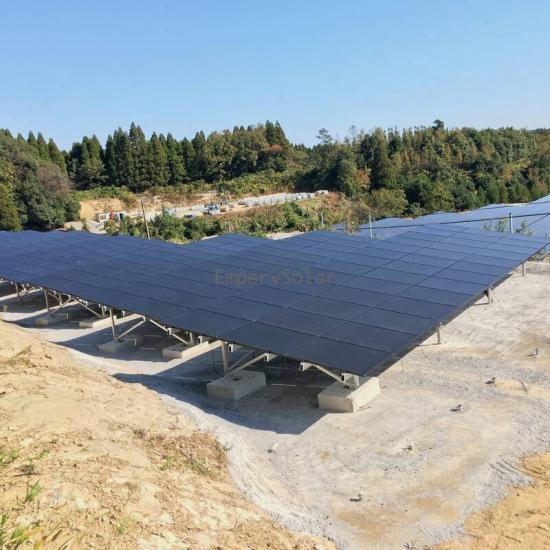
Solar ground systems, also known as ground-mounted solar panels, are solar energy installations situated on the ground rather than rooftops. This setup is particularly advantageous for properties with ample land, offering flexibility in design and placement. Ground-mounted systems can accommodate a larger number of solar panels, resulting in increased energy production.
The Components of a Solar Ground System
A typical solar ground system comprises several key components:
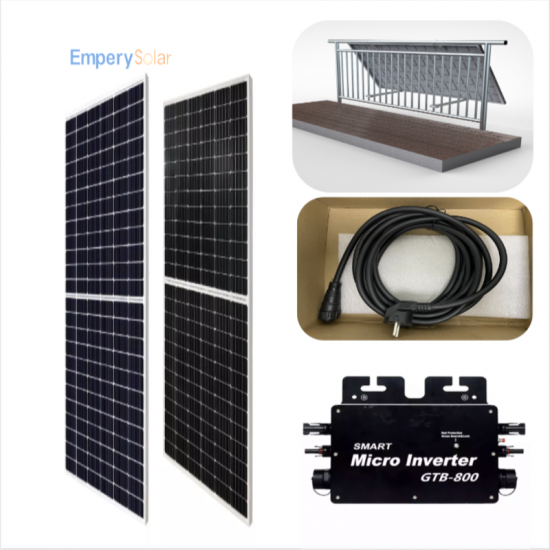
1. Solar Panels: These are the heart of the system, converting sunlight into electricity.
2. Inverters: They convert the direct current (DC) produced by the panels into alternating current (AC) for use in homes and businesses.
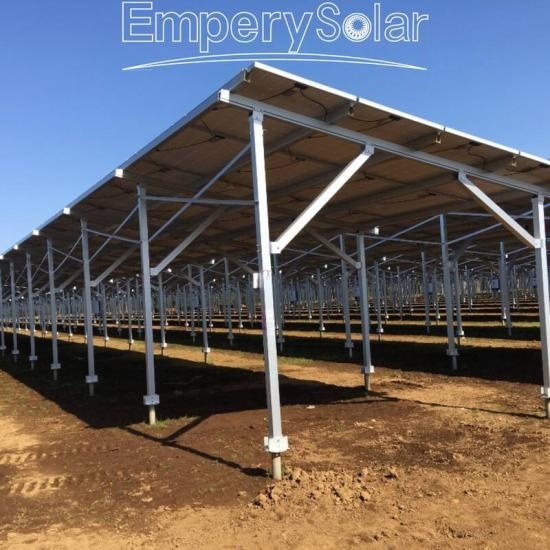
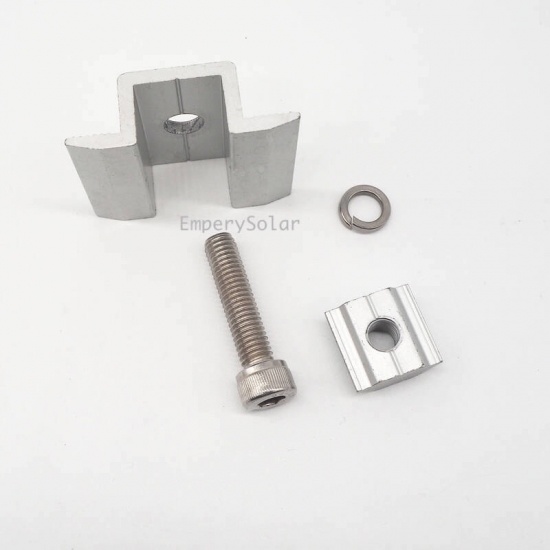
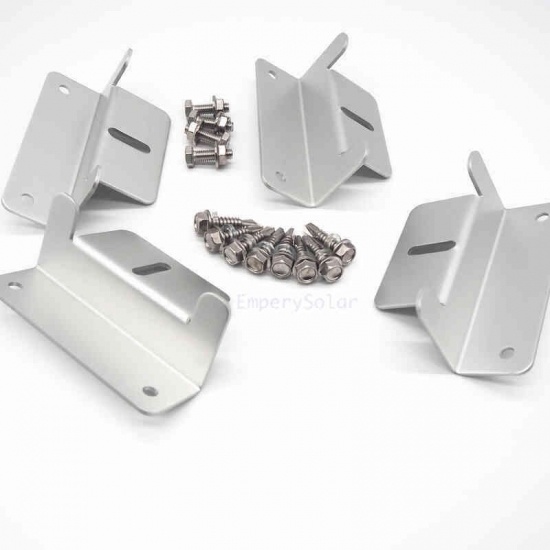
3. Mounting Structures: These secure the panels to the ground, typically using metal frames.
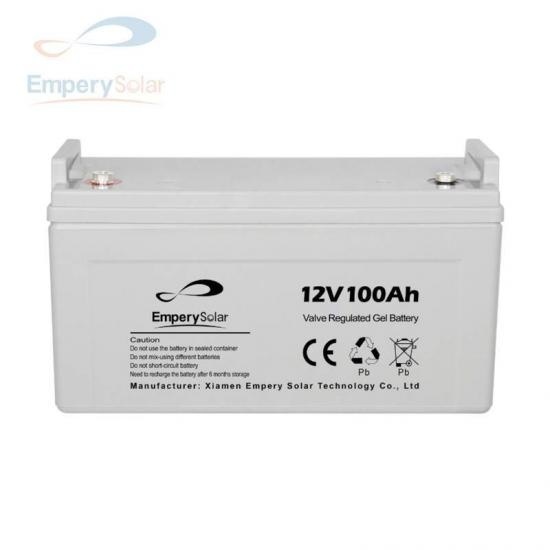
4. Battery Storage: Many systems incorporate batteries to store excess energy for use during non-sunny periods.
5. Monitoring Systems: These track the performance and efficiency of the solar installation.
Benefits of Solar Ground Systems
Adopting a solar ground system presents numerous benefits that can revolutionize how you manage energy consumption.
1. Increased Energy Production
With more space available, a solar ground system can accommodate a larger array of panels compared to rooftop installations. This means increased energy output, allowing you to generate enough power to meet most—if not all—of your energy needs.
2. Cost Efficiency and Long-Term Savings
The initial investment in a solar ground system may seem significant, but the long-term savings on energy bills can be substantial. By generating your own electricity, you can drastically reduce or eliminate monthly utility bills. Additionally, many governments offer incentives and tax rebates for solar energy adoption, further lowering the cost.
3. Environmental Impact
Switching to solar is a conscious step toward reducing your carbon footprint. By using renewable energy, you contribute to lessening the reliance on fossil fuels, thereby lowering greenhouse gas emissions and promoting a healthier planet for future generations.
4. Versatility in Installation
Ground-mounted systems can be installed in various configurations and orientations, optimizing them for maximum sun exposure. This versatility allows for greater customization based on your specific energy needs and property layout.
5. Minimal Maintenance Requirements
Solar ground systems require minimal maintenance once installed. Regular cleaning and occasional inspections are generally sufficient to keep your system operating at peak efficiency.
Installation Process of Solar Ground Systems
Understanding the installation process can help demystify how these systems come to life.
1. Site Assessment
Before installation begins, a site assessment is conducted. This involves evaluating the land's availability, orientation, and shading from nearby trees or structures.
2. Design and Planning
Once the assessment is complete, a design plan is created. This plan outlines the layout of the solar panels and the overall electrical design of the system.
3. Permitting and Approval
Before installation can commence, it is necessary to obtain the required permits and approvals from local authorities. This step ensures that your installation adheres to local codes and regulations.
4. Installation
The actual installation involves setting up the mounting structures, attaching the solar panels, connecting the inverters, and integrating battery storage if applicable.
5. Inspection and Testing
After installation, a thorough inspection is conducted to ensure everything functions correctly. This includes testing the electrical connections and monitoring systems.
Solar Ground Systems vs. Other Solar Solutions
When considering solar energy options, it's crucial to understand how solar ground systems compare with other solutions, such as rooftop solar systems and solar carports.
1. Rooftop Solar Systems
Rooftop solar systems are ideal for homes with limited ground space. However, they are often restricted in size, which can limit energy production. Ground systems, on the other hand, can maximize energy output due to the ability to install more panels.
2. Solar Carports
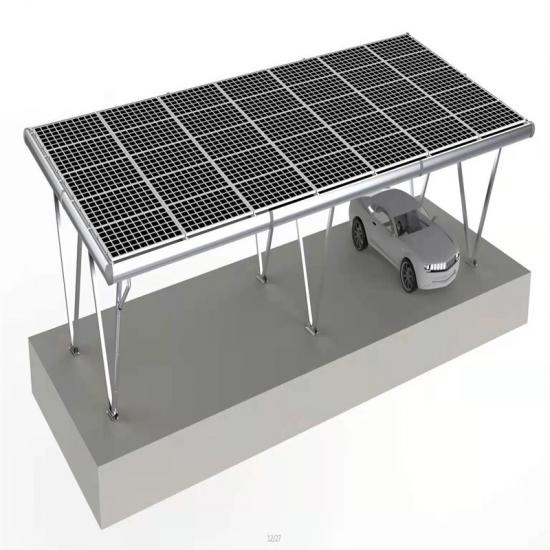
Solar carports offer dual functionality by providing parking space and energy production. While they can be a good alternative, solar ground systems typically produce more energy due to greater panel capacity.
Financial Incentives for Solar Ground Systems
Investing in a solar ground system is made even more appealing through various financial incentives.
1. Federal Tax Credits
In many countries, federal tax credits are available for solar energy installations, allowing homeowners to deduct a significant percentage of their installation cost from their federal taxes.
2. State and Local Incentives
Many states offer additional incentives, such as grants or rebates, to encourage the adoption of solar technology. Researching local options can further reduce your installation costs.
3. Net Metering
Net metering allows you to receive credits for the excess energy your solar system generates and feeds back into the grid, lowering your energy costs even further.
Challenges and Considerations of Solar Ground Systems
While solar ground systems offer numerous benefits, there are also challenges to consider, such as space requirements and upfront costs.
1. Land Availability
Solar ground systems require adequate land space, which might not be feasible for urban homes or properties with limited outdoor space.
2. Initial Investment
The initial cost of purchasing and installing a solar ground system can be high, although the long-term savings generally compensate for this.
Future of Solar Energy and Ground Systems
As technology advances, the future of solar energy looks promising. Innovations in solar panel efficiency, battery technology, and net metering solutions are expected to drive further adoption of solar ground systems.
1. Technological Advancements
Emerging technologies, such as bifacial solar panels and improved energy storage solutions, will enhance the efficiency and effectiveness of solar ground systems.
2. Increased Public Awareness
As awareness of climate change grows, more people are seeking sustainable energy solutions. This shift in mindset is likely to contribute to the rising popularity of solar ground systems.
FAQs About Solar Ground Systems
1. How much energy can a solar ground system produce?
The energy production of a solar ground system depends on various factors, including the number of panels, their efficiency, and local sunlight conditions. On average, a well-designed system can generate several kilowatts to power a home or business entirely.
2. What is the lifespan of solar panels in ground systems?
Most solar panels have a lifespan of 25 to 30 years, with warranties often covering this duration. Many panels continue to operate efficiently even beyond their warranty period.
3. Are solar ground systems suitable for all climates?
Yes, solar ground systems can be installed in various climates. However, regions with consistent sunlight will yield better energy production.
4. Do I need a permit for a solar ground system?
Yes, obtaining the necessary permits is crucial to ensure compliance with local building codes and regulations before installation.
5. Can I install a solar ground system myself?
While DIY installation is possible, it is generally recommended to hire professionals for safety and efficiency. Professional installers ensure that all components are correctly integrated and meet local regulations.
Conclusion
Solar ground systems represent a revolutionary way to meet energy needs while embracing sustainability. With their ability to generate significant amounts of energy, cost savings, and minimal maintenance requirements, they offer an attractive solution for both residential and commercial users. As we move toward a more sustainable future, the adoption of solar ground systems will play a critical role in reducing our reliance on fossil fuels and promoting cleaner energy sources. By considering the factors outlined in this article, you can make an informed decision on whether a solar ground system is the right choice for you.
RELATED BLOG

EmperySolar Successfully Concludes Participation in IGEM 2026 Malaysia
Xiamen Empery Solar Technology Co., Ltd. successfully concluded its participation in the 2026 International Greentech & Eco Products Exhibition & Conference Malaysia
View Details


Xiamen Empery Solar Technology Co.,Ltd.

Room 611, Quanyutong Business center, No.368, Xianhou She, Huli Districts. Xiamen,China.


Whatsapp : +86-13950145677


