

Product



News
Our company offers a comprehensive set of products in the industrial, commercial and
residential fields.
The Essential Guide to Solar Farm Mounting Systems: Maximizing Efficiency in Solar Energy Production
Release time:
2025-12-19
In recent years, solar energy has emerged as a crucial component in the quest for sustainable energy solutions. One of the unsung heroes of this technology is the solar farm mounting system. These systems play a vital role in ensuring solar panels operate at their peak efficiency, ultimately contributing to the overall effectiveness of solar energy generation.
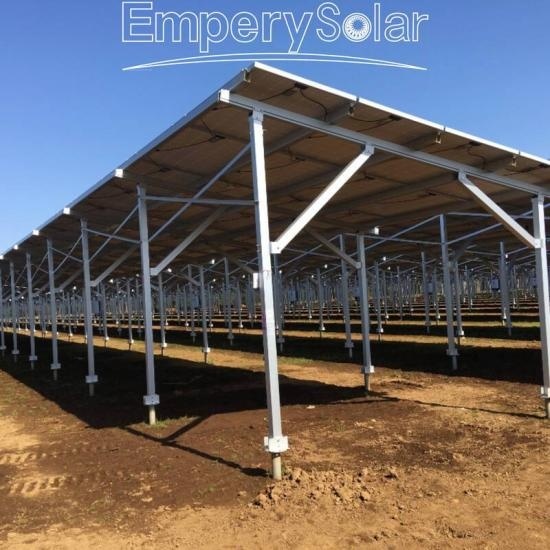
A solar farm mounting system is a framework that supports solar panels and holds them in place. The design and installation of these systems can significantly impact the performance of solar energy systems. There are several types of mounting systems, primarily classified into fixed, adjustable, and tracking systems. Each type has its unique advantages and applications, depending on factors such as geographical location, land space, and energy production goals.
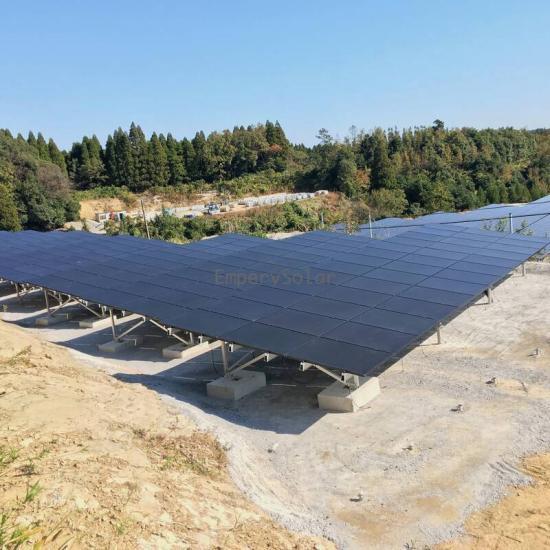
Fixed mounting systems are the most common and simplest type. They hold solar panels at a specific angle, usually optimized for the geographical latitude of the location. This fixed angle allows for reliable energy production, but it might not capture sunlight effectively throughout the year as the sun's position changes. This type of mounting is often used in large-scale solar farms due to its lower installation costs and straightforward maintenance requirements.
Adjustable mounting systems, on the other hand, allow for seasonal adjustments to the panel angles. By changing the tilt of the solar panels, these systems can enhance energy absorption during specific times of the year, thereby increasing overall energy output. While these systems can provide better efficiency than fixed mounts, they require more maintenance and are typically more complex to install.
Tracking systems are the most advanced and can follow the sun's trajectory across the sky. This dynamic adjustment maximizes solar exposure throughout the day and can significantly increase energy production compared to fixed or adjustable mounts. However, these systems come with higher initial costs and require more sophisticated maintenance, making them ideal for large installations where maximum efficiency is critical.
When selecting a solar farm mounting system, several factors must be considered, including soil type, local weather conditions, and the overall layout of the solar farm. Proper installation and orientation are crucial for minimizing shading and maximizing sunlight exposure, which directly correlates with energy output.
Furthermore, advancements in technology have led to the development of more durable and efficient mounting materials, such as aluminum and galvanized steel, that can withstand harsh weather conditions while maintaining structural integrity.
In conclusion, the solar farm mounting system is a vital component in optimizing solar energy production. By understanding the various types of mounting options and their respective advantages, solar energy producers can make informed decisions that align with their energy generation goals, ultimately contributing to a more sustainable future. Implementing the right mounting system is essential for maximizing efficiency and ensuring long-term success in solar energy initiatives.
RELATED BLOG

EmperySolar Successfully Concludes Participation in IGEM 2026 Malaysia
Xiamen Empery Solar Technology Co., Ltd. successfully concluded its participation in the 2026 International Greentech & Eco Products Exhibition & Conference Malaysia
View Details


Xiamen Empery Solar Technology Co.,Ltd.

Room 611, Quanyutong Business center, No.368, Xianhou She, Huli Districts. Xiamen,China.


Whatsapp : +86-13950145677


