

Product



News
Our company offers a comprehensive set of products in the industrial, commercial and
residential fields.
How Solar Farm Mounting Systems Enhance Energy Efficiency: Unlocking the Future of Renewable Energy
Release time:
2025-12-26
How Solar Farm Mounting Systems Enhance Energy Efficiency
Table of Contents
- 1. Introduction to Solar Farm Mounting Systems
- 2. What Are Solar Farm Mounting Systems?
- 3. Types of Solar Farm Mounting Systems
- 4. Benefits of Efficient Mounting Systems for Energy Efficiency
- 5. Environmental Impact of Solar Farm Mounting Systems
- 6. Installation Techniques for Solar Farm Mounting Systems
- 7. Choosing the Right Mounting System for Your Solar Farm
- 8. The Future of Solar Energy and Mounting Systems
- 9. FAQs About Solar Farm Mounting Systems
- 10. Conclusion
1. Introduction to Solar Farm Mounting Systems
As the world increasingly shifts towards renewable energy, **solar energy** has emerged as a front-runner in providing sustainable solutions. **Solar farm mounting systems** play a crucial role in enhancing energy efficiency by maximizing the amount of sunlight that solar panels can capture. This article delves into how these systems function, their types, benefits, and their significant contribution to the future of renewable energy.
2. What Are Solar Farm Mounting Systems?
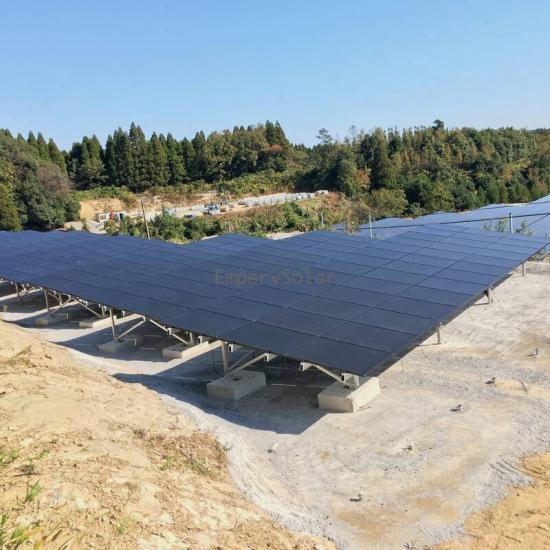
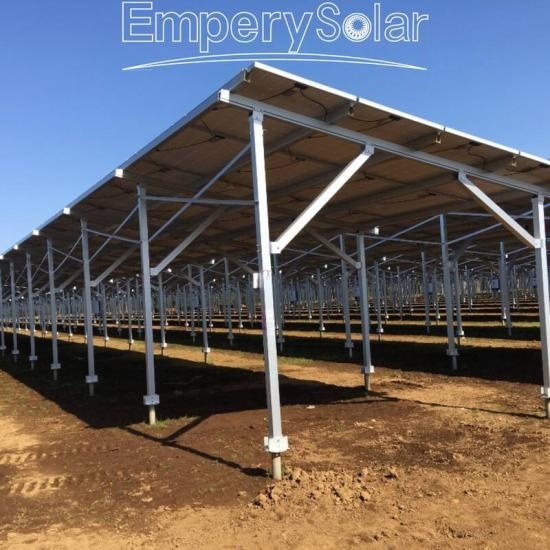
Solar farm mounting systems are structures used to hold solar panels in place, ensuring they are optimally positioned to receive sunlight. These systems can be stationary or movable, depending on the design. By securely fastening solar panels, mounting systems protect them from environmental factors while maximizing energy absorption and efficiency.
3. Types of Solar Farm Mounting Systems
Understanding the different types of mounting systems is critical for making informed decisions in solar farm installations.
3.1 Fixed Mounting Systems
Fixed mounting systems are the most common type, characterized by their stationary structure. These systems are usually installed at a specific angle to optimize solar exposure throughout the year. **Advantages** include lower installation costs and minimal maintenance requirements. However, they may not capture sunlight as effectively as tracking systems, especially during certain times of the day or year.
3.2 Tracking Systems
Tracking systems are advanced mounting solutions that adjust the position of solar panels throughout the day to follow the sun's movement. These systems can significantly increase energy production by up to **25-50%** compared to fixed systems. There are two main types of tracking systems: single-axis and dual-axis. Single-axis trackers move the panels along one axis, while dual-axis trackers adjust both horizontally and vertically, providing maximum solar exposure.
4. Benefits of Efficient Mounting Systems for Energy Efficiency
The implementation of efficient solar farm mounting systems is essential for optimizing energy yield and sustainability. Below are some key benefits:
4.1 Maximized Solar Collection
Efficient mounting systems increase the amount of sunlight captured by solar panels. Systems like dual-axis trackers can adjust to the sun's position throughout the day, ensuring that solar panels are always oriented optimally. This maximization leads to higher energy generation, making renewable energy systems more viable and cost-effective.
4.2 Reduced Installation and Maintenance Costs
While the upfront cost of tracking systems may be higher, the overall installation and maintenance expenses can be lower in the long run. Fixed systems require less complex infrastructure, leading to reduced labor costs. Additionally, proper installation techniques can minimize future maintenance needs, making these systems more appealing to investors and developers.
4.3 Optimized Space Utilization
Solar farms often occupy large areas, making efficient land use vital. Mounting systems that allow for vertical stacking or increased spacing between rows can help maximize energy capture without requiring additional land. This efficient use of space ensures that solar installations can generate more power per square foot, enhancing overall project feasibility.
5. Environmental Impact of Solar Farm Mounting Systems
Solar energy is a clean and renewable source, with mounting systems contributing to environmental sustainability. By facilitating the efficient use of solar panels, these systems help minimize reliance on fossil fuels and reduce greenhouse gas emissions. Additionally, many modern mounting systems are designed to minimize land disruption, preserving local ecosystems.
6. Installation Techniques for Solar Farm Mounting Systems
Installing solar farm mounting systems requires careful planning and execution to maximize energy efficiency and system longevity. Key techniques include:
1. **Site Assessment:** Evaluating the land for optimal sunlight exposure and soil stability is crucial.
2. **Foundation Design:** Properly designing the foundations to withstand environmental conditions ensures the durability of the mounting systems.
3. **Panel Orientation:** Positioning panels at the correct angle enhances solar exposure.
4. **Electrical Connections:** Ensuring that all electrical connections are secure and compliant with safety regulations is essential for system efficiency.
7. Choosing the Right Mounting System for Your Solar Farm
Selecting the appropriate mounting system depends on several factors, including:
- **Site Conditions:** The geographical location and landscape features can dictate the type of mounting system suited for the project.
- **Budget Constraints:** Understanding the cost implications of different mounting systems will help in making an informed decision.
- **Energy Goals:** The desired energy output and efficiency levels will influence the choice of mounting system.
Consulting with solar installation professionals can help navigate these considerations effectively.
8. The Future of Solar Energy and Mounting Systems
As technology advances, the future of solar energy looks promising. Innovations in mounting systems are expected to improve energy efficiency further, reduce costs, and integrate with smart grid technologies. The adaptability of these systems will also allow for more widespread use of solar farms, contributing to a cleaner, sustainable energy future.
9. FAQs About Solar Farm Mounting Systems
1. What is the primary function of solar farm mounting systems?
The primary function of solar farm mounting systems is to securely hold solar panels in place and orient them for optimal sunlight exposure to maximize energy efficiency.
2. How do tracking systems increase energy production?
Tracking systems adjust the position of solar panels throughout the day to follow the sun's path, allowing for greater sunlight capture compared to fixed mounting systems.
3. Are fixed mounting systems less efficient than tracking systems?
While fixed mounting systems are generally easier and cheaper to install, they may not capture sunlight as efficiently as tracking systems, particularly during certain times of the day.
4. How can I choose the right mounting system for my solar farm?
Choosing the right mounting system involves analyzing site conditions, budget constraints, and the desired energy output. Consulting with experts in the field can provide valuable insights.
5. What environmental benefits do solar farm mounting systems offer?
Solar farm mounting systems contribute to reduced greenhouse gas emissions and minimize reliance on fossil fuels, promoting overall environmental sustainability.
10. Conclusion
In summary, solar farm mounting systems play a vital role in enhancing energy efficiency in solar energy production. Their various types and innovative designs contribute significantly to maximizing solar collection, reducing costs, and promoting environmental sustainability. As the demand for renewable energy continues to grow, understanding the importance of these systems will be essential for anyone involved in the solar energy sector. Investing in efficient solar farm mounting systems not only benefits individual projects but also supports the broader transition to sustainable energy solutions.
RELATED BLOG

EmperySolar Successfully Concludes Participation in IGEM 2026 Malaysia
Xiamen Empery Solar Technology Co., Ltd. successfully concluded its participation in the 2026 International Greentech & Eco Products Exhibition & Conference Malaysia
View Details


Xiamen Empery Solar Technology Co.,Ltd.

Room 611, Quanyutong Business center, No.368, Xianhou She, Huli Districts. Xiamen,China.


Whatsapp : +86-13950145677


