

Product



News
Our company offers a comprehensive set of products in the industrial, commercial and
residential fields.
Best Practices for Installing Ballast Roof Mounting Brackets for Solar Power Systems
Release time:
2025-12-12
Best Practices for Installing Ballast Roof Mounting Brackets for Solar Power Systems
Table of Contents
- Introduction to Ballast Roof Mounting Brackets
- Understanding Ballast Systems in Solar Installations
- Benefits of Using Ballast Roof Mounting Brackets
- Key Components of Ballast Roof Mounting Brackets
- Step-by-Step Installation Process
- Common Mistakes to Avoid During Installation
- Maintenance Tips for Long-Lasting Installation
- Conclusion
- Frequently Asked Questions
Introduction to Ballast Roof Mounting Brackets
The installation of solar power systems on rooftops requires careful planning and execution, especially when it comes to securing solar panels. **Ballast roof mounting brackets** provide a reliable solution for mounting solar panels without penetrating the roof, thus protecting the integrity of the structure. This article will explore the best practices for installing these brackets, ensuring that your solar energy system operates efficiently and lasts for many years.
Understanding Ballast Systems in Solar Installations
Ballast systems rely on weight to hold solar panels in place, making them an ideal choice for flat roofs where traditional mounting methods may not be feasible. By distributing the weight evenly across the roofing surface, ballast systems minimize the risk of wind uplift and other environmental challenges. Proper understanding of these systems is crucial for optimal performance.
How Ballast Works
Ballast systems use heavy materials, often concrete blocks or gravel, to counteract the buoyant forces exerted by wind. This method allows for a non-invasive installation that can be easily adjusted or removed if necessary. Importantly, it eliminates the need for drilling into the roof, which can lead to leaks and structural issues.
Types of Ballast Roof Mounting Brackets
There are various types of ballast roof mounting brackets available, tailored to different solar panel configurations and roofing materials. Understanding each type will help in selecting the right solution for your installation.
Benefits of Using Ballast Roof Mounting Brackets
Utilizing ballast roof mounting brackets offers several advantages. Here are some key benefits to consider:
1. Roof Integrity Preservation
One of the primary benefits of ballast mounting systems is the preservation of roof integrity. By avoiding penetrations, these systems minimize the risk of leaks and structural damage.
2. Flexibility and Adjustability
Ballast systems provide the flexibility to reposition panels as needed, whether to optimize sunlight exposure or to accommodate maintenance tasks. This adjustability is crucial in maximizing solar energy production.
3. Quick Installation
The installation of ballast roof mounting brackets is generally quicker than traditional methods. This efficiency can lead to reduced labor costs and faster project completion.
4. Enhanced Aesthetics
Ballast systems can lead to a cleaner, more streamlined appearance on the roof, contributing to the overall aesthetic of the building without sacrificing functionality.
Key Components of Ballast Roof Mounting Brackets
To ensure a successful installation, it’s essential to understand the various components involved:
1. Mounting Frame
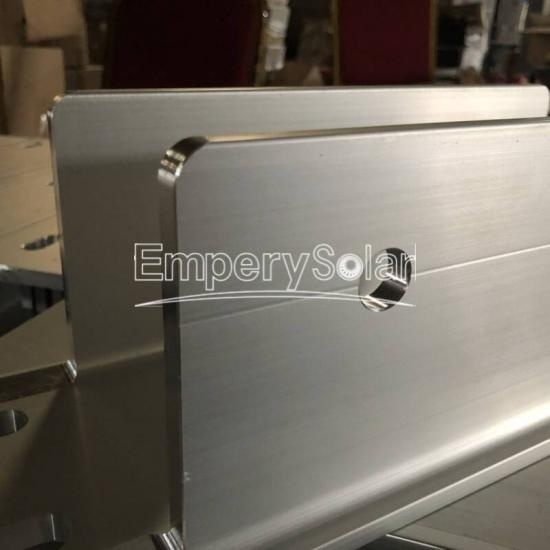
The mounting frame serves as the foundation for securing solar panels. It must be robust enough to support the weight of the panels and withstand environmental stressors.
2. Ballast Blocks
Ballast blocks are typically made of concrete or heavy-duty plastic. Their weight plays a critical role in stabilizing the solar panel assembly against wind and other forces.
3. Solar Panel Clamps
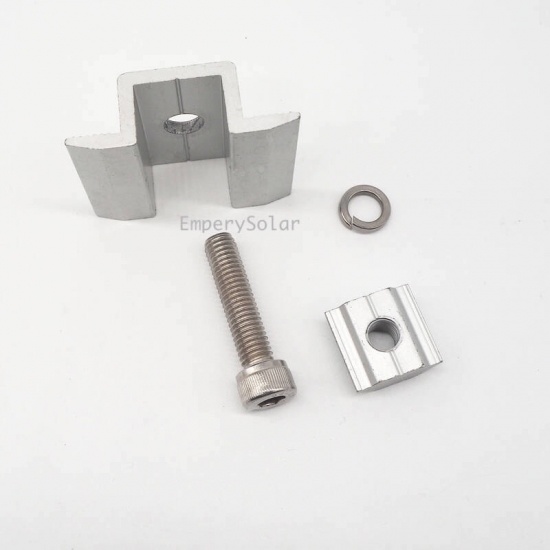
These clamps securely attach the solar panels to the mounting frame. It is vital to choose clamps that fit your specific panel design to ensure a secure hold.
4. Interconnecting Hardware
High-quality bolts, nuts, and spacers are necessary to connect the mounting frame, clamps, and ballast blocks. Selecting corrosion-resistant materials can extend the lifespan of the installation.
Step-by-Step Installation Process
Installing ballast roof mounting brackets involves several critical steps to ensure a secure and effective setup.
Step 1: Site Assessment
Begin with a thorough site assessment. Evaluate the roof structure, materials, and any potential obstacles such as vents or skylights.
Step 2: Planning the Layout
Plan the layout of the solar panels and ballast system, ensuring an even distribution of weight.
Step 3: Prepare the Mounting Frame
Install the mounting frame according to the manufacturer’s instructions, ensuring it is level and securely anchored.
Step 4: Attach Solar Panel Clamps
Attach the solar panel clamps to the mounting frame. Confirm that they are aligned correctly to accommodate the solar panels.
Step 5: Place Ballast Blocks
Position the ballast blocks on the mounting frame, making sure to follow the weight distribution guidelines provided by the manufacturer.
Step 6: Final Checks
Perform a thorough inspection to ensure all components are securely fastened and that the solar panels are stable.
Common Mistakes to Avoid During Installation
To achieve a successful installation, avoiding common mistakes is crucial. Here are some pitfalls to watch out for:
1. Inadequate Weight Distribution
Failing to evenly distribute ballast can lead to instability and increased risk of damage.
2. Using Improper Materials
Using subpar materials for mounting frames and ballast blocks can compromise the entire system. Always opt for high-quality, weather-resistant components.
3. Ignoring Manufacturer Guidelines
Disregarding manufacturer instructions can lead to improper installation, which may void warranties and reduce system efficiency.
4. Skipping Maintenance
Neglecting regular maintenance checks can lead to unnoticed wear and tear, affecting the longevity of the installation.
Maintenance Tips for Long-Lasting Installation
Routine maintenance plays a vital role in extending the lifespan of your ballast roof mounting brackets and solar panels.
1. Regular Inspections
Conduct regular inspections of the mounting system to check for loose components or signs of wear.
2. Clean the Solar Panels
Keep solar panels clean and free of debris to ensure optimal energy production.
3. Check for Corrosion
Inspect metal components for signs of corrosion, especially in coastal or humid environments. Replace any affected parts immediately.
4. Monitor Performance
Regularly monitor the performance of your solar energy system to identify any drops in efficiency that may indicate installation issues.
Conclusion
Installing ballast roof mounting brackets is a smart choice for solar power systems, especially on flat roofs. By adhering to best practices during installation and maintenance, you can enhance the performance and longevity of your solar setup. The benefits of preserving roof integrity, allowing for flexibility, and expediting installation make ballast systems a preferred solution among solar professionals. With the right knowledge and preparation, you can successfully navigate the installation process and enjoy the sustainable benefits of solar energy for years to come.
Frequently Asked Questions
1. What are ballast roof mounting brackets?
Ballast roof mounting brackets are used to secure solar panels on flat roofs without penetrating the roofing material, relying on weight to hold the panels in place.
2. How do I choose the right ballast blocks?
Choose ballast blocks based on the weight requirements specified by the mounting system manufacturer, ensuring they are made of durable, weather-resistant material.
3. Can I install ballast roof mounting brackets myself?
While it is possible for experienced DIY enthusiasts, it's recommended to consult or hire a professional to ensure proper installation and compliance with local regulations.
4. How often should I inspect my ballast system?
It's advisable to perform inspections at least twice a year, or more frequently in areas prone to extreme weather conditions.
5. What maintenance is required for solar panels mounted on ballast systems?
Regular cleaning, inspections for wear, and monitoring performance are essential for maintaining the efficiency of solar panels mounted on ballast systems.
RELATED BLOG

EmperySolar Successfully Concludes Participation in IGEM 2026 Malaysia
Xiamen Empery Solar Technology Co., Ltd. successfully concluded its participation in the 2026 International Greentech & Eco Products Exhibition & Conference Malaysia
View Details


Xiamen Empery Solar Technology Co.,Ltd.

Room 611, Quanyutong Business center, No.368, Xianhou She, Huli Districts. Xiamen,China.


Whatsapp : +86-13950145677


