

Product




News
Our company offers a comprehensive set of products in the industrial, commercial and
residential fields.
Why Choose a Fixed Tilt Ground Mount System for Your Solar Needs?
Release time:
2025-12-30
Why Choose a Fixed Tilt Ground Mount System for Your Solar Needs?
Understanding Fixed Tilt Ground Mount Systems
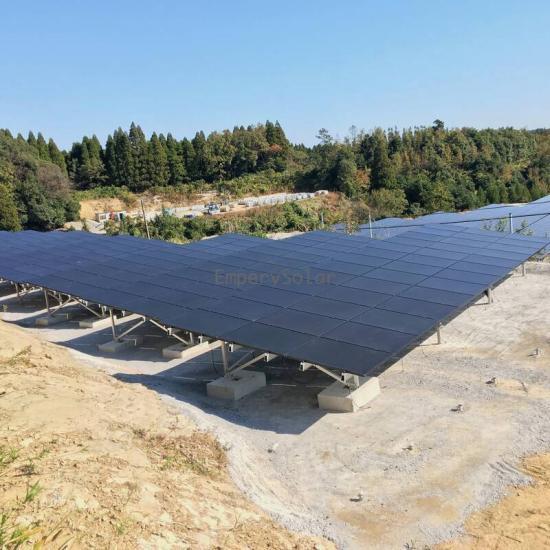
A fixed tilt ground mount solar system is a popular choice for solar energy installations, particularly for commercial and residential properties with ample land. This system features solar panels mounted on a sturdy structure that is anchored to the ground at a specific angle, offering several advantages over other mounting options.
What is a Fixed Tilt Ground Mount System?
At its core, a fixed tilt ground mount system consists of solar panels that are securely placed at a predetermined angle. Unlike adjustable or tracking systems, which follow the sun's movement throughout the day, fixed tilt systems remain at a constant angle, typically optimized for the latitude of their installation location.
The Key Components of a Fixed Tilt Ground Mount System
To better understand how fixed tilt ground mount systems work, it’s essential to familiarize ourselves with their key components:
- Solar Panels: The heart of any solar system, converting sunlight into electricity.
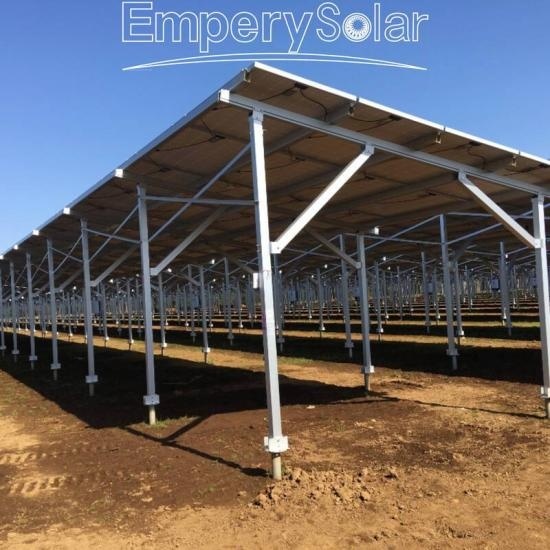
- Mounting Racks: These are the structures that hold the solar panels in place, allowing for an optimal angle towards the sun.
- Anchors: These secure the mounting racks to the ground, ensuring stability and longevity.
- Wiring and Inverters: Essential for converting the direct current (DC) electricity generated by the panels into usable alternating current (AC).
The Benefits of Fixed Tilt Ground Mount Systems
Choosing a fixed tilt ground mount system offers several compelling benefits, making it a wise investment for your solar energy needs.
1. Enhanced Energy Production
Fixed tilt ground mount systems are designed to optimize the angle of solar panels, which can significantly increase energy production. By positioning panels at a fixed angle that best captures sunlight throughout the day, these systems maximize energy generation compared to traditional roof-mounted systems.
2. Cost-Effectiveness
The initial investment in a fixed tilt ground mount system can lead to substantial long-term savings. Here’s how:
- Lower Installation Costs: Ground-mounted systems can be easier and quicker to install, particularly in open spaces, reducing labor costs.
- Less Maintenance: These systems tend to require less maintenance than rooftop systems, as they are less exposed to wear and tear from weather conditions.
- Longer Lifespan: Many fixed tilt systems are constructed from durable materials designed to withstand environmental elements, contributing to their longevity.
3. Flexibility in Sizing and Configuration
Fixed tilt ground mount systems are customizable in terms of size and configuration to accommodate various energy needs. Whether you need a small system for your home or a larger setup for commercial energy demands, these systems can be tailored to fit your requirements.
4. Improved Accessibility
Ground-mounted solar systems are easier to access for maintenance and cleaning compared to roof-mounted options. This accessibility can enhance the system's efficiency over time, as regular upkeep can ensure optimal performance.
5. Minimal Impact on Aesthetic Appeal
For homeowners concerned about aesthetics, fixed tilt ground mount systems can be strategically located to minimize visual impact. Placing these systems in less visible areas of your property allows you to harness solar energy without compromising the beauty of your home’s exterior.
Factors to Consider When Choosing a Fixed Tilt Ground Mount System
While fixed tilt ground mount systems offer numerous advantages, certain factors should be considered before installation.
1. Land Availability
A primary consideration is the availability of land. Fixed tilt systems require sufficient space for installation without obstructions such as trees or buildings that could cast shadows on the solar panels.
2. Local Regulations and Permits
Before proceeding with installation, it’s crucial to check local zoning laws and building regulations. Some areas may have restrictions on ground-mounted systems, requiring permits or specific compliance measures.
3. Soil Conditions
The type and condition of the soil can affect the installation and stability of the mounting system. Conducting a soil test to evaluate its suitability for anchoring is an essential step in the planning process.
4. Optimal Tilt Angles for Energy Production
Determining the most effective fixed tilt angle for your solar panels is vital. This angle varies based on geographic location and seasonal changes, affecting overall efficiency.
Installation Process of Fixed Tilt Ground Mount Systems
Understanding the installation process can help you prepare for the transition to solar energy.
Step 1: Site Assessment
A thorough site assessment is essential to evaluate land suitability, sunlight exposure, and any potential obstructions.
Step 2: Design and Planning
Once the site has been assessed, the next step is designing the system layout, including determining the optimal tilt angle for maximum sunlight exposure.
Step 3: Ground Preparation
Preparing the ground involves clearing the installation area and ensuring proper drainage to prevent flooding or water pooling.
Step 4: Installation of Mounting Racks
The installation team will secure the mounting racks into the ground, ensuring they are level and stable to support the solar panels effectively.
Step 5: Panel Installation
Once the racks are in place, the solar panels are mounted, followed by wiring them to inverters and electrical systems.
Step 6: Final Inspections and Testing
After installation, a thorough inspection and testing of the system will ensure everything is functioning correctly and efficiently before going live.
Maintaining Your Fixed Tilt Ground Mount System
Regular maintenance is crucial to ensure your fixed tilt ground mount system operates at peak efficiency.
1. Regular Cleaning
Dust, debris, and bird droppings can obstruct sunlight and reduce energy production. Scheduling routine cleanings will help maintain optimal performance.
2. Inspecting for Damage
Regular inspections of the mounting structure, wiring, and panels can catch any issues early, preventing costly repairs down the road.
3. Monitoring Performance
Utilizing monitoring systems can help you keep track of energy production, allowing you to adjust maintenance schedules and identify any inefficiencies quickly.
FAQs about Fixed Tilt Ground Mount Systems
1. What is the average lifespan of a fixed tilt ground mount system?
A well-installed fixed tilt ground mount system can last 25 years or more with proper maintenance.
2. Can fixed tilt systems withstand severe weather conditions?
Most fixed tilt systems are designed to withstand harsh weather, including high winds and heavy snow loads, due to their durable construction.
3. How much space do I need for a fixed tilt ground mount system?
The amount of space required depends on the system size and energy needs. Generally, an area free from obstructions and with ample sunlight is ideal.
4. Are there any tax incentives or rebates for installing a fixed tilt ground mount system?
Many regions offer tax incentives, rebates, or other financial assistance for solar installations, including fixed tilt systems. Check with local authorities for available programs.
5. How do I know if a fixed tilt ground mount system is right for me?
Consider factors such as land availability, budget, energy needs, and aesthetic preferences to determine if a fixed tilt system is the best fit for your situation.
Conclusion
Choosing a fixed tilt ground mount system for your solar energy needs presents an array of advantages, including optimal energy production, cost-effectiveness, and flexibility in sizing and configuration. With the proper installation and maintenance, these systems can provide reliable, renewable energy for years to come. Whether you are a homeowner or a business owner, investing in a fixed tilt ground mount system could be a pivotal step in harnessing the sun's power effectively and sustainably. As you consider your options, weigh the benefits against your specific needs, and take a step towards a cleaner, greener future.
RELATED BLOG

EmperySolar Successfully Concludes Participation in IGEM 2026 Malaysia
Xiamen Empery Solar Technology Co., Ltd. successfully concluded its participation in the 2026 International Greentech & Eco Products Exhibition & Conference Malaysia
View Details


Xiamen Empery Solar Technology Co.,Ltd.

Room 611, Quanyutong Business center, No.368, Xianhou She, Huli Districts. Xiamen,China.


Whatsapp : +86-13950145677


