

Product



News
Our company offers a comprehensive set of products in the industrial, commercial and
residential fields.
Why You Should Consider a Solar Carport with Steel Structure: A Comprehensive Guide
Release time:
2026-01-01
Why You Should Consider a Solar Carport with Steel Structure
Introduction: The Future of Renewable Energy Solutions
In recent years, the demand for sustainable energy solutions has surged. With the increasing awareness of climate change, individuals and businesses are looking for ways to reduce their carbon footprint. One of the most innovative solutions on the market today is the **solar carport with a steel structure**. This multi-functional installation not only provides protection for vehicles but also harnesses solar energy for various applications. In this article, we will explore the numerous advantages of installing a solar carport with a steel framework, offering insights that could lead you to make an informed decision for your energy needs.
Table of Contents
- What is a Solar Carport?
- Advantages of Solar Carports with Steel Structures
- Design and Aesthetic Value
- How Solar Carports Work
- Installation Process
- Maintenance and Durability
- Financial Incentives for Solar Carports
- Common Questions About Solar Carports
What is a Solar Carport?
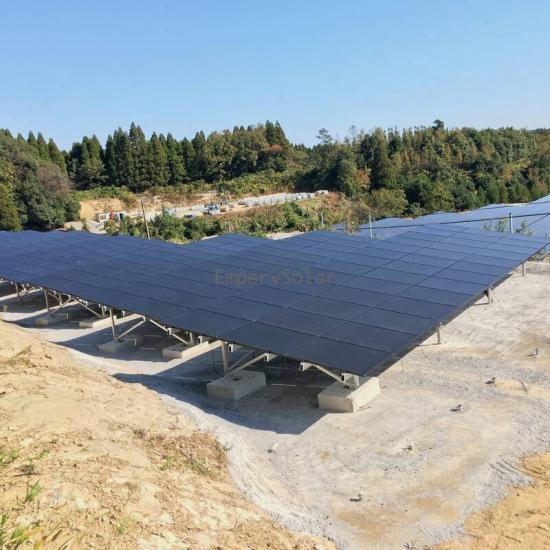
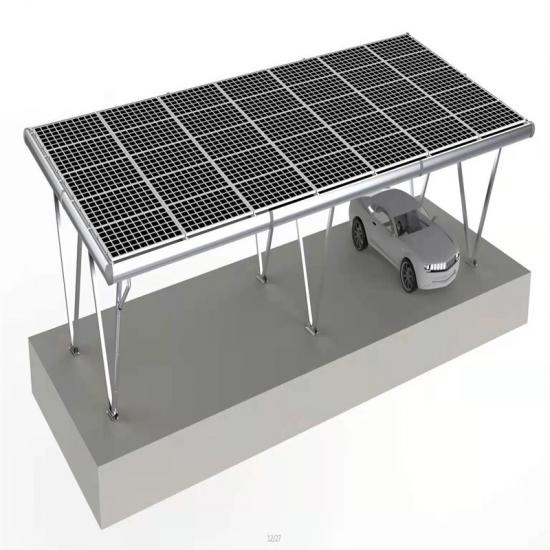
A **solar carport** is an innovative structure designed to provide shelter for vehicles while also generating renewable energy. Typically constructed using a **steel framework**, these carports are equipped with solar panels that capture sunlight and convert it into electricity. They serve dual purposes: protecting your car from weather elements and harnessing solar power for home or commercial use.
Advantages of Solar Carports with Steel Structures
When considering a solar carport, it's essential to understand the numerous benefits that come with installing one, especially when constructed with steel. Here are some key advantages:
Energy Efficiency
Solar carports are an excellent way to maximize energy efficiency. By utilizing solar panels installed on the roof, they can produce significant amounts of electricity. This energy can be used to power electric vehicles, charge batteries, or even supply electricity to your home or business. By generating your own power, you can reduce reliance on traditional energy sources, leading to lower energy bills and increased sustainability.
Cost Savings
Investing in a solar carport may seem costly at first glance, but the long-term savings can be substantial. With the rising costs of traditional energy sources, generating your own electricity can significantly reduce your energy expenses. Additionally, many governments offer incentives and tax credits for installing renewable energy systems, further decreasing the overall cost of installation. Over time, the savings on energy bills can offset the initial investment, making it a financially sound choice.
Environmental Impact
The environmental benefits of solar carports are profound. By utilizing renewable energy, homeowners and businesses can significantly reduce their carbon footprint. Unlike fossil fuels, solar power is clean and sustainable, contributing to a healthier planet. Furthermore, a solar carport can help promote the adoption of electric vehicles, as it provides a convenient charging solution, encouraging more environmentally friendly transportation options.
Design and Aesthetic Value
Solar carports are not only functional; they can also enhance the aesthetic appeal of your property. With modern design options available, a steel solar carport can complement the architectural style of your home or business. Options for customization include various colors, shapes, and sizes, allowing you to create a structure that fits seamlessly into your landscape. A well-designed solar carport adds value to your property, making it more attractive to potential buyers or clients.
How Solar Carports Work
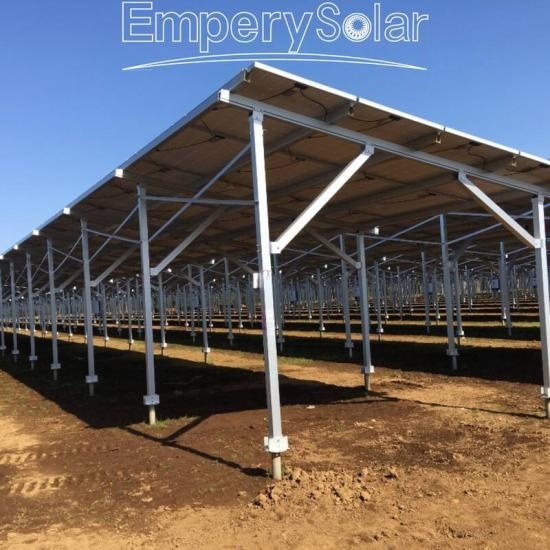
Understanding the mechanics of a solar carport is crucial for potential investors. These structures typically consist of solar panels mounted on a steel frame, positioned at an angle to maximize sunlight exposure. The solar panels capture sunlight during the day and convert it into electricity using photovoltaic technology. This electricity can then be used to power on-site appliances, charge electric vehicles, or be fed back into the grid, often resulting in credits on your energy bill.
Installation Process
The installation of a solar carport involves several key steps:
1. **Site Assessment**: A professional will inspect your location to determine the best placement and angle for the solar panels.
2. **Design Planning**: You will work with a team to design the carport, selecting materials, dimensions, and panel placements.
3. **Building the Structure**: Skilled contractors will construct the steel frame and install the solar panels.
4. **Electrical Connections**: The system will be wired into your electrical system, ensuring seamless integration and compliance with local regulations.
5. **Inspection and Activation**: After installation, a final inspection will ensure everything meets safety standards before the system is activated.
Maintenance and Durability
One of the significant advantages of steel structures is their durability. A solar carport with a steel frame can withstand harsh weather conditions, including heavy rain, snow, and high winds. Unlike wood, steel is resistant to rot, pests, and warping, significantly reducing maintenance needs. Regular cleaning of solar panels to remove dust and debris is the primary maintenance requirement. With proper care, a solar carport can last for decades, providing long-term benefits.
Financial Incentives for Solar Carports
Many governments and local authorities offer financial incentives for installing solar energy systems. These can include:
- **Tax Credits**: Federal and state tax credits can help offset installation costs.
- **Grants**: Some programs provide grants for renewable energy projects.
- **Rebates**: Utility companies may offer rebates for installing solar systems.
- **Net Metering**: This allows you to sell excess energy back to the grid, potentially earning credits on your energy bill.
Researching available incentives can significantly reduce your upfront costs, making solar carports an even more attractive investment.
Common Questions About Solar Carports
1. Are solar carports suitable for all climates?
Yes, solar carports can be designed to withstand various climate conditions. Consult with an expert to ensure your structure is built to handle local weather.
2. How much energy can a solar carport generate?
The energy output depends on several factors, including the size of the solar panels, the amount of sunlight received, and the efficiency of the panels. On average, a standard solar carport can generate anywhere from 6 to 12 kilowatts.
3. Can I install a solar carport myself?
While DIY installation is possible, it is recommended to hire professionals to ensure compliance with local building codes and optimal performance.
4. What are the upfront costs associated with a solar carport?
Costs can vary widely based on your location, the size of the structure, and the type of solar panels. On average, installation can range from $10,000 to $30,000.
5. How long do solar panels last?
Most solar panels come with a warranty of 25 years, but they can last much longer with proper maintenance.
Conclusion
Investing in a **solar carport with a steel structure** offers a wealth of benefits, from energy efficiency and cost savings to environmental impact and aesthetic appeal. As the world moves towards sustainable energy solutions, solar carports stand out as a versatile and practical choice for both homeowners and businesses. With financial incentives available and a growing emphasis on renewable energy, now is the perfect time to consider a solar carport as an integral part of your energy strategy. By embracing this innovative solution, you can contribute to a greener future while enjoying the many advantages that come with it.
RELATED BLOG

EmperySolar Successfully Concludes Participation in IGEM 2026 Malaysia
Xiamen Empery Solar Technology Co., Ltd. successfully concluded its participation in the 2026 International Greentech & Eco Products Exhibition & Conference Malaysia
View Details


Xiamen Empery Solar Technology Co.,Ltd.

Room 611, Quanyutong Business center, No.368, Xianhou She, Huli Districts. Xiamen,China.


Whatsapp : +86-13950145677


