

Product



News
Our company offers a comprehensive set of products in the industrial, commercial and
residential fields.
Understanding Solar Farm Mounting Systems: The Backbone of Solar Energy Infrastructure
Release time:
2026-01-02
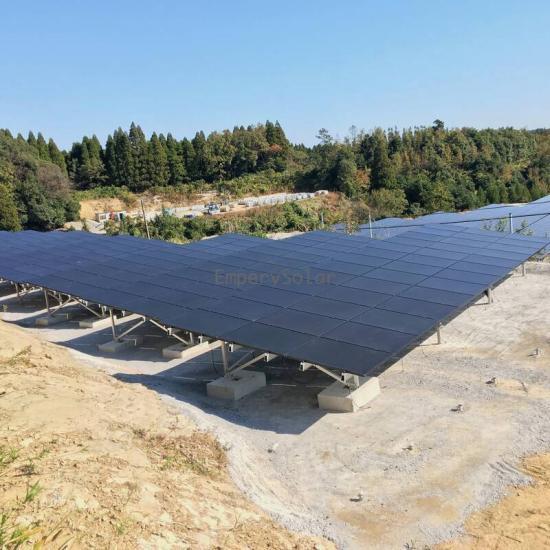
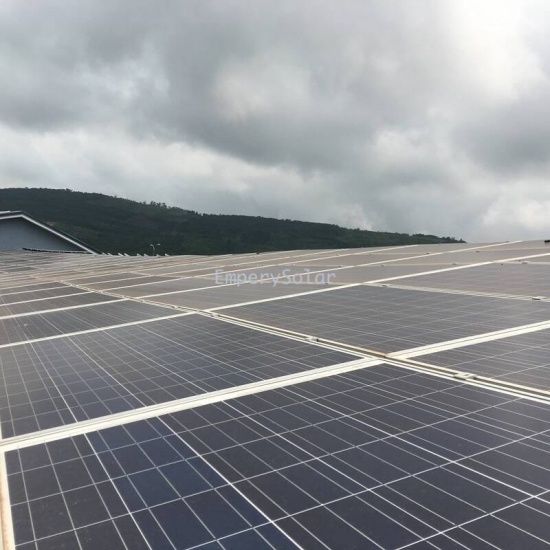
In the ever-evolving landscape of renewable energy, solar power stands out as a cornerstone of sustainable development. Central to the efficiency of solar energy systems is the solar farm mounting system, which serves as the foundation that supports solar panels and ensures their optimal performance. Understanding these systems is crucial for professionals in the electrical and battery industries, especially those focusing on solar energy solutions.
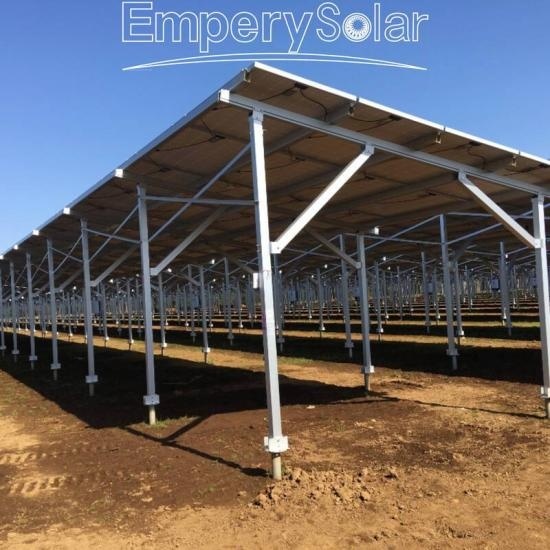
A solar farm mounting system is designed to hold solar panels in place, providing the necessary structural support and orientation to maximize sunlight exposure. These systems can be categorized into two primary types: fixed and tracking mounts. Fixed mounts are stationary and positioned at a specific angle to capture the sun’s rays, making them a reliable and cost-effective option for many solar farms. On the other hand, tracking mounts adjust the angle of the panels throughout the day, following the sun’s path. This dynamic positioning can significantly enhance energy production, though it often comes with higher initial costs and maintenance needs.
The choice of mounting system can significantly influence the overall efficiency of a solar farm. Fixed systems are simpler and generally require less maintenance, making them suitable for large-scale installations where cost-effectiveness is a priority. Conversely, tracking systems, while more complex, can yield higher energy output, which may be advantageous in regions with high solar insolation.
In addition to their types, solar farm mounting systems provide several key benefits. They enhance the durability and longevity of solar panels by elevating them off the ground, protecting them from potential damage caused by debris, flooding, or pests. Furthermore, a well-designed mounting system can facilitate better airflow around the panels, reducing overheating and improving energy efficiency.
Environmental considerations also play a crucial role in the design and installation of solar farm mounting systems. Many modern systems incorporate sustainable materials and designs that minimize land disruption and promote ecological balance. For instance, some mounting systems are designed to adapt to uneven terrain, reducing the need for extensive land grading and preserving local ecosystems.
In summary, understanding solar farm mounting systems is vital for professionals engaged in the solar energy sector. These systems are not merely structural components; they are pivotal in ensuring the efficiency and effectiveness of solar installations. By selecting the appropriate mounting system—whether fixed or tracking—solar farm operators can optimize energy production while addressing environmental concerns. As the demand for renewable energy continues to grow, the importance of reliable and efficient solar farm mounting systems will only increase, making it essential for industry professionals to stay informed and adaptable in this dynamic field.
RELATED BLOG

EmperySolar Successfully Concludes Participation in IGEM 2026 Malaysia
Xiamen Empery Solar Technology Co., Ltd. successfully concluded its participation in the 2026 International Greentech & Eco Products Exhibition & Conference Malaysia
View Details


Xiamen Empery Solar Technology Co.,Ltd.

Room 611, Quanyutong Business center, No.368, Xianhou She, Huli Districts. Xiamen,China.


Whatsapp : +86-13950145677


