

Product



News
Our company offers a comprehensive set of products in the industrial, commercial and
residential fields.
How to Troubleshoot Common Issues with Ballast Roof Mounting Brackets
Release time:
2026-01-05
How to Troubleshoot Common Issues with Ballast Roof Mounting Brackets
Introduction to Ballast Roof Mounting Brackets
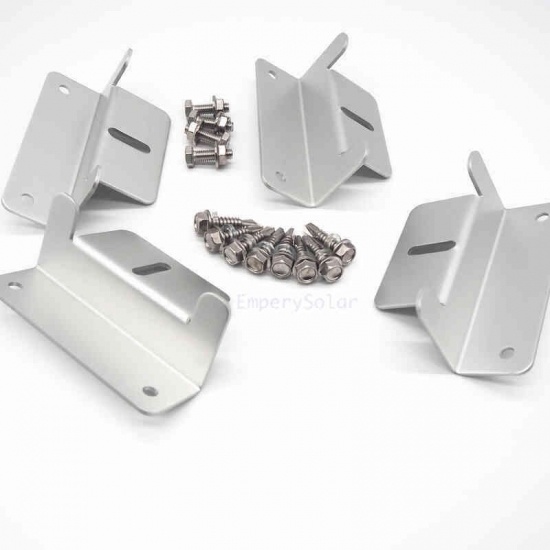
Ballast roof mounting brackets are essential components in solar energy installations, particularly in flat roof applications. They provide stability and support for solar panels, ensuring they remain secure against various weather conditions. However, like any structural system, they can encounter issues that affect the performance and safety of the solar setup. This article delves into the common problems associated with ballast roof mounting brackets and provides detailed troubleshooting steps to address them effectively.
Understanding the Role of Ballast Roof Mounting Brackets
Proper installation and maintenance of ballast roof mounting brackets are crucial for the longevity and efficiency of solar panels. These brackets distribute weight evenly and prevent movement caused by wind or other external forces. Knowing their function helps in identifying issues when they arise.
Key Functions of Ballast Roof Mounting Brackets
- Weight Distribution: They ensure even weight distribution across the roof surface.
- Stability: They keep solar panels secure against wind uplift and other forces.
- Drainage: Properly installed brackets facilitate water drainage, preventing pooling and potential damage.
Common Issues with Ballast Roof Mounting Brackets
Identifying problems early can save time and money. Here are several common issues associated with ballast roof mounting brackets:
1. Insufficient Weight on Brackets
Inadequate ballast can lead to shifting panels, which may result in misalignment and potential damage.
2. Corrosion and Rust
Metal brackets can corrode over time due to exposure to moisture, leading to structural weaknesses.
3. Misalignment of Solar Panels
Improper installation can cause panels to become misaligned, impacting energy efficiency.
4. Damage from Weather Conditions
Severe weather can cause physical damage to brackets, especially in extreme wind or heavy snow conditions.
5. Deterioration of Ballast Material
The material used for ballast can deteriorate over time, affecting its weight and effectiveness.
Step-by-Step Troubleshooting Guide
Here, we outline a step-by-step troubleshooting guide to address these common issues.
Step 1: Inspect the Installation
Begin with a thorough visual inspection of the mounting brackets and solar panels. Look for signs of wear, misalignment, and any displacement of ballast material.
Tools Needed:
- Level
- Tape measure
- Visual inspection tools (flashlight, binoculars)
Step 2: Assess Ballast Weight
Ensure that the ballast material placed on the brackets is within the recommended weight limits. Check local building codes and manufacturer specifications.
Checking Ballast Weight:
- Measure the amount of ballast material.
- Confirm it meets weight specifications for your solar panel system.
Step 3: Look for Corrosion
Inspect the metal components for signs of corrosion or rust. If you find any, it may be necessary to replace the affected parts to maintain structural integrity.
Corrosion Prevention:
- Use anti-corrosive coatings.
- Regularly clean brackets to remove debris and moisture.
Step 4: Realign Solar Panels
If panels are misaligned, they can be adjusted back into place. Ensure they are securely fastened after alignment.
Realignment Process:
- Use a level to check the alignment.
- Loosen the mounting screws, adjust the panels, and retighten.
Step 5: Evaluate for Weather Damage
After severe weather events, conduct a detailed inspection for any damage caused by high winds or heavy snow. Replace any damaged components immediately.
Preventative Maintenance for Ballast Roof Mounting Brackets
Adopting a proactive maintenance routine can prevent many common issues associated with ballast roof mounting brackets.
Regular Inspections
Schedule inspections at least twice a year, ideally in spring and fall, to identify potential problems before they escalate.
Routine Cleaning
Regularly cleaning the mounting brackets and solar panels ensures optimal performance and prevents corrosion from dirt and debris accumulation.
Updating Ballast Material
Consider the longevity of your ballast material. Replace any deteriorated components to maintain weight and functionality.
FAQs About Ballast Roof Mounting Brackets
1. What is the purpose of ballast in solar panel installations?
Ballast provides stability and helps secure solar panels against wind and other forces, preventing movement and potential damage.
2. How often should I inspect ballast roof mounting brackets?
It is recommended to inspect them at least twice a year, or after severe weather conditions.
3. Can I use any material for ballast?
No, it is essential to use materials that meet local building codes and manufacturer specifications for weight and stability.
4. What are the signs of corrosion on mounting brackets?
Signs include visible rust, flaking paint, or any weakening of the metal structure.
5. How can I improve the alignment of my solar panels?
Using a level and adjusting the mounting screws can help realign misaligned solar panels.
Conclusion
Troubleshooting common issues with ballast roof mounting brackets is essential for maintaining the efficiency and longevity of your solar energy system. By conducting regular inspections, adhering to proper installation techniques, and implementing preventative maintenance, you can significantly reduce the likelihood of encountering problems. Understanding the role and function of these brackets empowers you to take proactive steps in ensuring your solar installation operates optimally for years to come. With the right knowledge and practices, you can ensure that your solar panels remain securely mounted, maximizing your investment in renewable energy.
RELATED BLOG

EmperySolar Successfully Concludes Participation in IGEM 2026 Malaysia
Xiamen Empery Solar Technology Co., Ltd. successfully concluded its participation in the 2026 International Greentech & Eco Products Exhibition & Conference Malaysia
View Details


Xiamen Empery Solar Technology Co.,Ltd.

Room 611, Quanyutong Business center, No.368, Xianhou She, Huli Districts. Xiamen,China.


Whatsapp : +86-13950145677


