

Product



News
Our company offers a comprehensive set of products in the industrial, commercial and
residential fields.
Key Features to Look for in Solar Farm Mounting Systems: A Comprehensive Guide
Release time:
2026-01-07
Key Features to Look for in Solar Farm Mounting Systems
Introduction to Solar Farm Mounting Systems
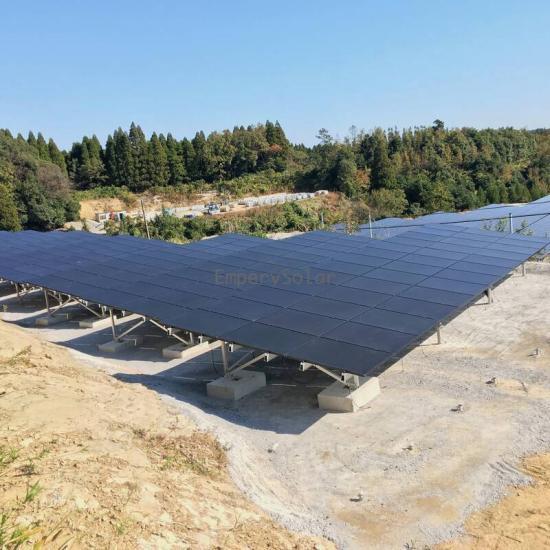
In the rapidly growing world of renewable energy, **solar farms** play a pivotal role in harnessing the sun's power. One crucial aspect that significantly affects the efficiency and longevity of solar energy systems is the mounting system. Understanding the **key features** of solar farm mounting systems can help you make informed decisions that contribute to the overall success of your solar project.
The Importance of Solar Farm Mounting Systems
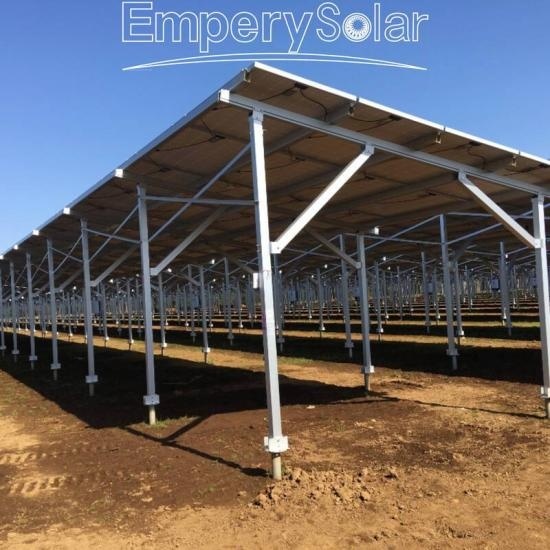
Solar farm mounting systems act as the backbone of solar energy installations. They are responsible for securely holding solar panels in place while optimizing their exposure to sunlight. A well-designed mounting system can enhance energy output, withstand harsh environmental conditions, and extend the lifespan of solar panels.
Types of Solar Farm Mounting Systems
Understanding the different types of mounting systems available is essential in selecting the right one for your solar farm. Here, we break down the primary types of solar farm mounting systems:
1. Fixed Tilt Mounting Systems
Fixed tilt systems are the most common and straightforward mounting solutions. They are installed at a specific angle to maximize solar exposure throughout the day. These systems are typically cost-effective and require minimal maintenance, making them an excellent choice for expansive solar farms.
2. Adjustable Tilt Mounting Systems
Adjustable tilt systems allow for the angle of the solar panels to be modified seasonally, optimizing performance throughout the year. This flexibility can result in increased energy generation, although it may require more maintenance compared to fixed tilt systems.
3. Tracking Systems
Tracking systems are advanced mounting solutions that follow the sun's path across the sky. By keeping solar panels aligned with direct sunlight, these systems can significantly boost energy output—often by 25% to 50% compared to fixed systems. However, they are more complex and costly to install and maintain.
Essential Features to Consider in Solar Farm Mounting Systems
When selecting a solar mounting system, consider the following essential features:
1. Durability and Material Quality
The material used in the mounting system is crucial for its longevity. Look for systems made from **galvanized steel**, **aluminum**, or **stainless steel** to ensure resistance against corrosion and environmental wear and tear. The durability of the mounting system directly impacts the lifespan of the solar panels.
2. Load Capacity and Stability
It is vital to assess the load capacity of the mounting system. Ensure that it can withstand local wind and snow loads, as well as the weight of the solar panels. Stability is especially important in regions prone to extreme weather conditions.
3. Ease of Installation
Select a mounting system that offers straightforward installation procedures. Systems that are easy to install can reduce labor costs and shorten project timelines. Look for prefabricated components that simplify assembly and allow for quick adjustments.
4. Compatibility with Various Solar Panels
Ensure that the mounting system is compatible with the specific types and sizes of solar panels you plan to use. A versatile mounting solution can accommodate different panel orientations and sizes, providing flexibility for future upgrades.
5. Grounding and Electrical Integration
Effective grounding is crucial for safety and efficiency. Look for mounting systems that facilitate easy grounding of the solar panels. Additionally, ensure that the design allows for seamless electrical integration to minimize installation hassles.
6. Aesthetics and Installation Location
While functionality is paramount, the aesthetic appeal of the solar farm can impact local acceptance. Consider mounting systems that blend well with the environment, especially in residential or urban areas. Additionally, the installation location—whether on rooftops, ground, or agricultural land—can influence the choice of mounting system.
7. Cost-Effectiveness
Budget constraints are always a consideration in solar farm installations. Analyze the total cost of the mounting system, including installation, maintenance, and potential upgrades. A cost-effective system can lead to a quicker return on investment.
8. Warranty and Support
A robust warranty and reliable customer support are essential for peace of mind. Look for manufacturers that offer extended warranties on their mounting systems and provide solid after-sales support.
Environmental Considerations in Mounting System Selection
The impact of the selected mounting system on the environment cannot be overlooked. Opting for eco-friendly materials and designs can contribute to sustainability efforts. Additionally, consider how the mounting system affects local wildlife and vegetation, aiming for minimal disruption.
Case Studies: Successful Solar Farm Mounting Implementations
Examining real-world examples can provide insights into selecting the right mounting systems. Here are a few success stories:
1. XYZ Solar Farm
In a recent project, XYZ Solar Farm implemented adjustable tilt mounting systems that allowed them to maximize energy production across seasons. This approach resulted in a 30% increase in output and reduced overall installation costs.
2. ABC Renewable Energy
ABC Renewable Energy chose a tracking system for their large-scale solar farm. Despite the higher initial investment, they reported a significant increase in energy generation, leading to a faster payback period.
FAQs About Solar Farm Mounting Systems
1. What is the primary function of a solar mounting system?
The primary function of a solar mounting system is to securely hold solar panels in place while optimizing their exposure to sunlight for maximum energy generation.
2. How do I choose the right mounting system for my solar farm?
Consider factors such as durability, load capacity, ease of installation, compatibility with solar panels, and cost-effectiveness when selecting a mounting system for your solar farm.
3. Are tracking systems worth the investment?
Tracking systems can significantly increase energy output, often justifying the higher initial investment. However, consider your specific location and budget before making a decision.
4. How often do solar mounting systems require maintenance?
Maintenance frequency can vary based on the type of mounting system and local environmental conditions. Regular inspections and cleaning are recommended to ensure optimal performance.
5. What materials are best for solar mounting systems?
Galvanized steel, aluminum, and stainless steel are among the best materials for solar mounting systems due to their durability and resistance to corrosion.
Conclusion
Selecting the right solar farm mounting system is a critical decision that impacts the overall efficiency and durability of your solar energy project. By considering essential features such as material quality, load capacity, ease of installation, and environmental impact, you can make informed choices that enhance energy production and contribute to a sustainable future. As the renewable energy landscape continues to evolve, investing in high-quality mounting systems will help ensure the long-term success of solar farms and promote the growth of clean energy solutions.
RELATED BLOG

EmperySolar Successfully Concludes Participation in IGEM 2026 Malaysia
Xiamen Empery Solar Technology Co., Ltd. successfully concluded its participation in the 2026 International Greentech & Eco Products Exhibition & Conference Malaysia
View Details


Xiamen Empery Solar Technology Co.,Ltd.

Room 611, Quanyutong Business center, No.368, Xianhou She, Huli Districts. Xiamen,China.


Whatsapp : +86-13950145677


