

Product


News
Our company offers a comprehensive set of products in the industrial, commercial and
residential fields.
Maximizing Efficiency with Solar Farm Mounting Systems
Release time:
2026-01-18
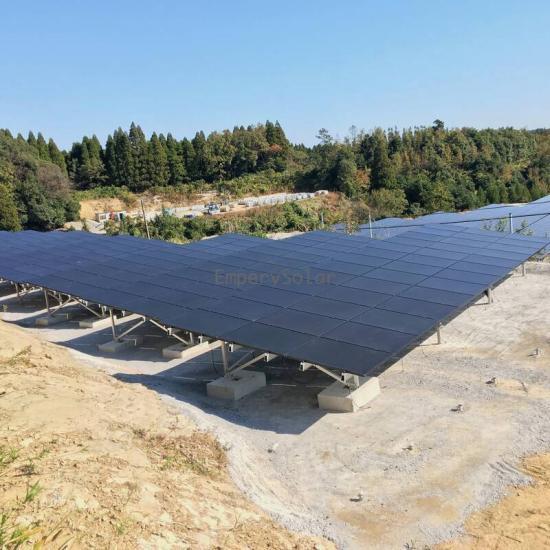
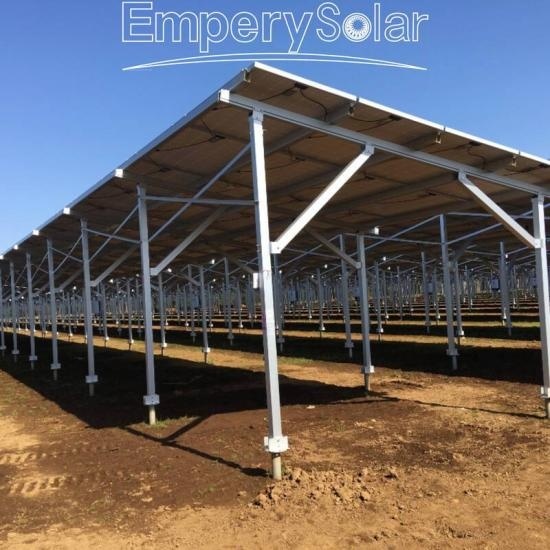
In the rapidly evolving world of renewable energy, solar farm mounting systems play a pivotal role in optimizing the efficiency and durability of solar installations. These systems are critical components that securely support solar panels, allowing them to capture sunlight effectively while withstanding various environmental challenges.
A solar farm mounting system typically comes in two primary types: fixed and tracking. Fixed systems are stationary and are designed at a specific angle to maximize solar exposure throughout the day. They are often simpler to install and maintain, making them a popular choice for many solar farms. On the other hand, tracking systems move throughout the day to follow the sun's path, thereby increasing the amount of solar energy captured. Although these systems can be more complex and costly, they often yield higher energy production, making them an attractive option for extensive solar projects.
When selecting a solar farm mounting system, several factors should be considered. First, the geographical location plays a significant role in determining the mounting system design. Areas with heavy snowfall or high winds may require more robust structures to ensure stability and safety. Additionally, soil type and topography can influence the installation approach, as certain conditions may require specialized foundations or anchoring solutions.
Another important aspect is the material used in the mounting systems. Steel and aluminum are commonly utilized for their strength and durability. Steel, while heavier, provides a robust structure capable of withstanding harsher conditions. Conversely, aluminum is lightweight and resistant to corrosion, making it ideal for coastal areas or places with high humidity. The choice of material can significantly impact the overall cost and longevity of the system.
Moreover, the orientation and tilt angle of solar panels are crucial for maximizing energy capture. Proper tilt angles can enhance the overall efficiency of the solar farm, allowing for optimal sunlight exposure throughout the year. Many modern mounting systems come equipped with adjustable features, enabling operators to fine-tune the angle based on seasonal sunlight variations.
In conclusion, investing in the right solar farm mounting system is essential for maximizing energy production and ensuring the longevity of solar installations. By understanding the types, materials, and design considerations, operators can make informed decisions that enhance the overall efficiency of their solar energy systems. As the demand for renewable energy continues to rise, optimizing solar installations with effective mounting systems will be key to meeting energy needs sustainably.
RELATED BLOG
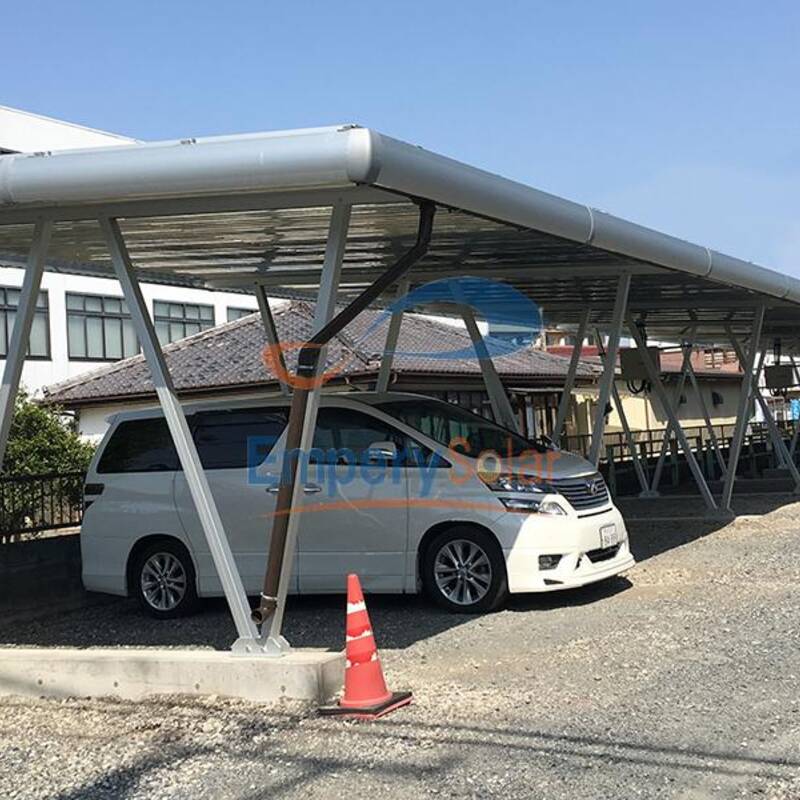
Maximizing Efficiency and Sustainability with Steel Structure Solar Carports
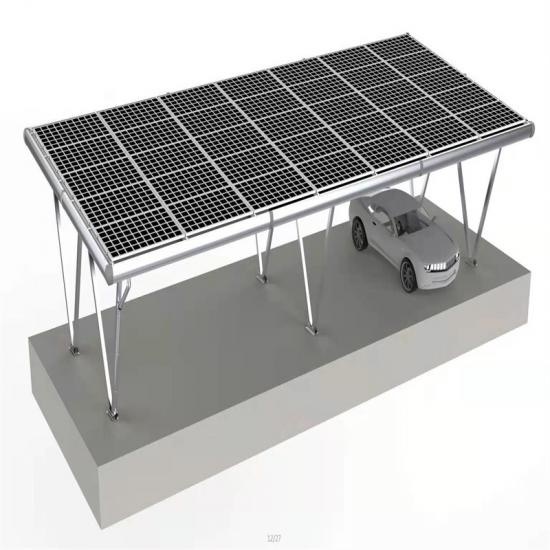
When it comes to integrating renewable energy solutions into urban settings, steel structure solar carports have emerged as a pivotal innovation. These structures serve a dual purpose: providing shelter for vehicles while generating solar power. The combination of steel and solar technology offers a robust and efficient solution for both commercial and residential applications. Steel is a materia
View Details


Xiamen Empery Solar Technology Co.,Ltd.

Room 611, Quanyutong Business center, No.368, Xianhou She, Huli Districts. Xiamen,China.


Whatsapp : +86-13950145677


