

Product



News
Our company offers a comprehensive set of products in the industrial, commercial and
residential fields.
Understanding Solar Farm Mounting Systems: Key Insights for Professionals
Release time:
2026-02-10
---
In the realm of solar energy, the mounting system is a critical component of any solar farm. Solar farm mounting systems are designed to securely hold solar panels in place, ensuring they receive maximum exposure to sunlight while withstanding environmental challenges. Understanding the various types of mounting systems and their applications can significantly impact the efficiency and longevity of solar installations.
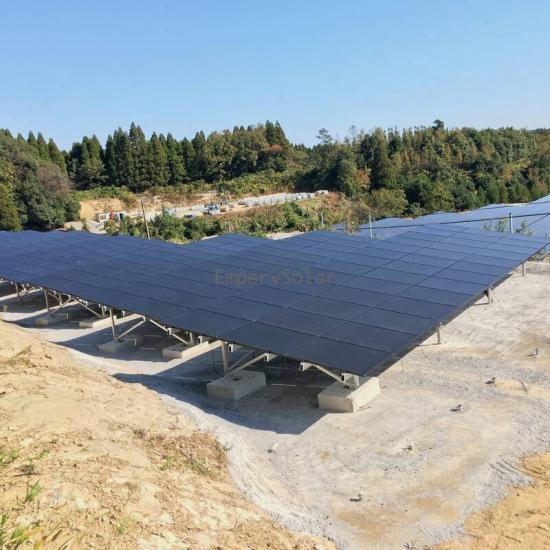
There are primarily three types of solar farm mounting systems: fixed-tilt, single-axis tracking, and dual-axis tracking. Fixed-tilt mounting systems are the most straightforward and cost-effective option. They maintain a fixed angle, which is usually determined based on the geographical location to optimize solar energy capture throughout the year. These systems are generally easier to install and require less maintenance, making them suitable for smaller solar farms.
Single-axis tracking systems, on the other hand, rotate on one axis, usually aligned north to south. This allows the panels to follow the sun’s movement from east to west throughout the day, significantly increasing energy production compared to fixed systems. Although they may come with higher initial costs and maintenance requirements, the improved energy yield can justify the investment, particularly for larger solar installations.
For those seeking maximum efficiency, dual-axis tracking systems are the most advanced option. These systems can adjust both vertically and horizontally, allowing solar panels to capture sunlight from varying angles throughout the day and across different seasons. While they provide the highest energy output, the complexity and cost associated with dual-axis systems require careful consideration in the planning phase.
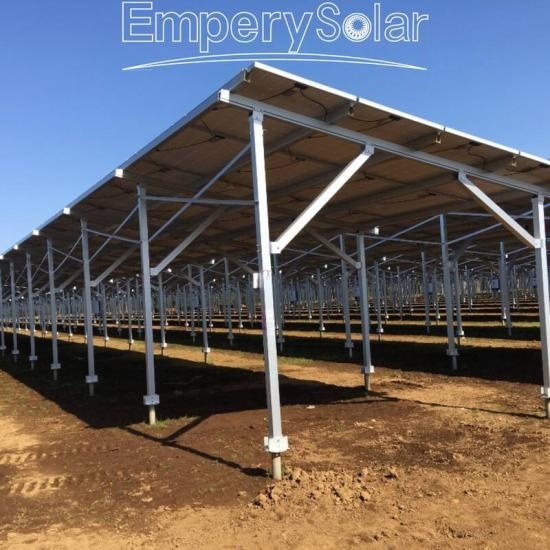
When selecting a solar farm mounting system, professionals must also consider factors such as site conditions, soil type, wind loads, and local regulations. Each of these elements can influence the choice of mounting system and its installation. For instance, areas prone to high winds may necessitate more robust mounting solutions, while rocky or uneven terrains might require specialized installation techniques.
Moreover, the materials used in mounting systems also play a vital role in durability and longevity. Aluminum and galvanized steel are common materials due to their resistance to corrosion, ensuring the mounting structures can withstand harsh environmental conditions over time.
In conclusion, the choice of a solar farm mounting system is paramount to the overall success of a solar installation. By understanding the different types of systems available and factoring in site-specific conditions and material durability, professionals can make informed decisions that enhance energy production and maximize return on investment in solar energy projects. Emphasizing these elements not only optimizes performance but also contributes to the sustainable growth of the solar energy industry.
RELATED BLOG

EmperySolar Successfully Concludes Participation in IGEM 2026 Malaysia
Xiamen Empery Solar Technology Co., Ltd. successfully concluded its participation in the 2026 International Greentech & Eco Products Exhibition & Conference Malaysia
View Details


Xiamen Empery Solar Technology Co.,Ltd.

Room 611, Quanyutong Business center, No.368, Xianhou She, Huli Districts. Xiamen,China.


Whatsapp : +86-13950145677


