

Product



News
Our company offers a comprehensive set of products in the industrial, commercial and
residential fields.
Solar Mounting System – Reliable Structural Support for PV Installations
Release time:
2026-03-23
What Is a Solar Mounting System?
A solar mounting system refers to the structural components used to secure solar panels in place in both ground‑mounted and rooftop photovoltaic installations. These systems are essential for holding solar modules at the correct angle and orientation to maximize energy production. A well‑designed solar mounting system ensures durability, stability, and safety throughout the lifetime of the solar project while resisting wind, snow, and other environmental loads. A high‑quality solar mounting system can significantly affect overall system performance and return on investment.

Types of Solar Mounting Systems
There are several types of solar mounting systems to match different installation scenarios:
1. Roof Solar Mounting System
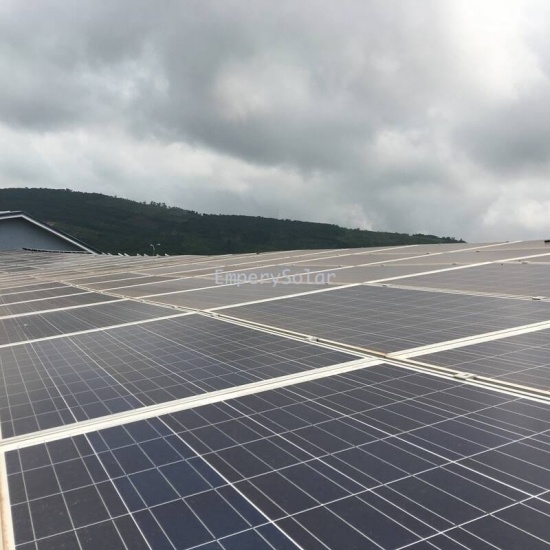
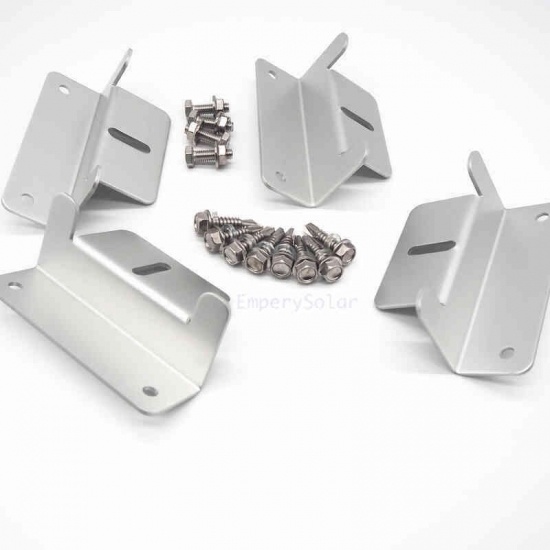
Roof solar mounting systems are commonly used in residential and commercial buildings. They provide a strong attachment between the solar modules and the roof structure. Whether pitched or flat, roofs require specific mounting solutions to ensure proper drainage, structural stability, and minimal impact on the roof surface. These systems can be ballast‑based, clamp‑based, or use penetrating mounts depending on the roof type and project requirements.
2. Ground Solar Mounting System
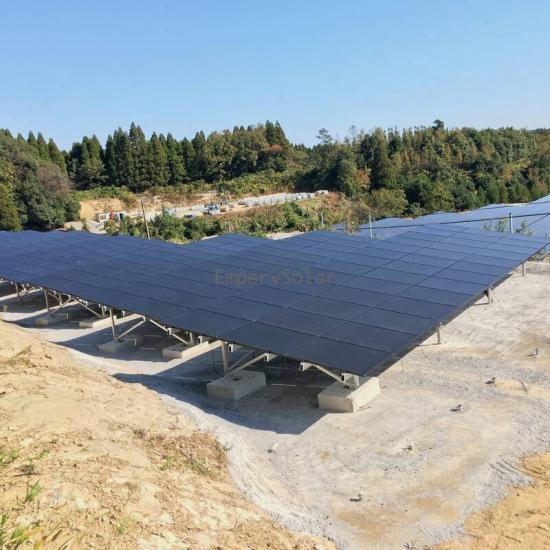
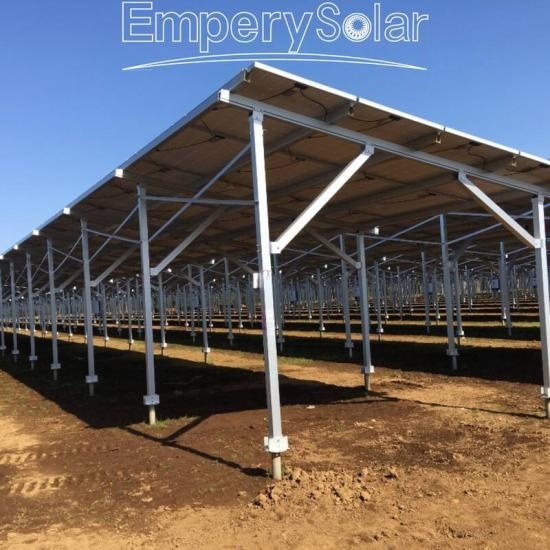
Ground solar mounting systems are installed directly on the land surface and are widely used for large‑scale solar farms or open‑field installations. These solar mounting systems often include adjustable racks, driven posts, or concrete footings to suit soil conditions and landscape. They allow easy access for maintenance and can be optimized for seasonal sun angles to increase energy capture.
3. Solar Carport Mounting System
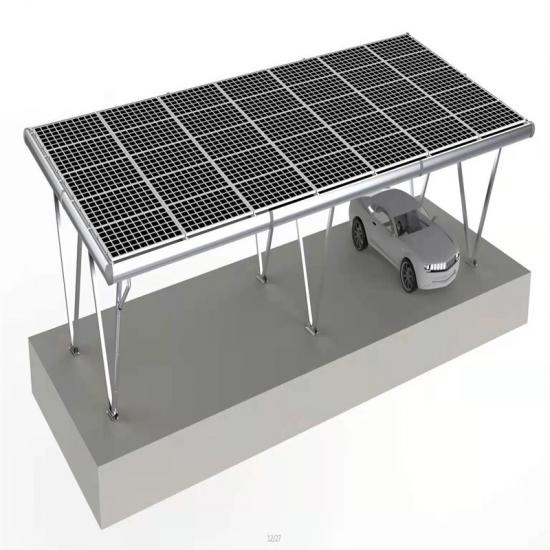
Solar carport mounting systems elevate solar modules above parking areas, providing dual functionality: generating clean energy and offering shaded parking. The design of a solar carport mounting system must accommodate vehicle clearance, structural load, and electrical routing while ensuring long‑term resistance to weather exposure.
4. Agricultural and Special Terrain Solar Mounting System
Agricultural solar mounting systems are tailored for solar installations over farmland or irregular terrain. These solar mounting systems include flexible support structures that adapt to uneven ground, protecting crop growth underneath and ensuring minimal soil disturbance.
Key Features and Advantages
A well‑engineered solar mounting system offers several advantages:
- Durability and Corrosion Resistance: High‑quality mounting systems are typically made from anodized aluminum and stainless steel fasteners, which resist corrosion and provide long‑lasting performance in harsh climates.
- Flexible Design: These systems accommodate various panel sizes, tilt angles, and site conditions, enabling customized solutions for different projects.
- Ease of Installation: Prefabricated components and thoughtful structural design simplify on‑site assembly, reducing labor time and overall project cost.
- Enhanced Safety: Strong structural stability ensures that the solar array remains secure even under heavy wind loads, snow pressure, or seismic activity.
Applications Across Solar Projects
Solar mounting systems are integral to a wide range of photovoltaic applications:
- Residential Solar Systems: Roof solar mounting systems for homes help homeowners reduce electricity bills and increase energy independence.
- Commercial and Industrial Installations: Large rooftop and ground‑mounted solar mounting systems provide scalable energy solutions for businesses and factories.
- Utility‑Scale Solar Farms: Ground solar mounting systems support utility‑scale solar projects, delivering clean energy to the grid efficiently.
A robust solar mounting system not only supports the physical structure of solar panels but also plays a crucial role in optimizing the performance and longevity of solar power installations.
RELATED BLOG

EmperySolar Successfully Concludes Participation in IGEM 2026 Malaysia
Xiamen Empery Solar Technology Co., Ltd. successfully concluded its participation in the 2026 International Greentech & Eco Products Exhibition & Conference Malaysia
View Details


Xiamen Empery Solar Technology Co.,Ltd.

Room 611, Quanyutong Business center, No.368, Xianhou She, Huli Districts. Xiamen,China.


Whatsapp : +86-13950145677


