

Product




News
Our company offers a comprehensive set of products in the industrial, commercial and
residential fields.
Unlocking the Benefits of a Solar Ground System for Your Home
Release time:
2025-12-10
Unlocking the Benefits of a Solar Ground System for Your Home
In today’s world, where energy efficiency and sustainability are top priorities, solar ground systems have emerged as a popular choice for homeowners. This article delves into the myriad advantages of installing a solar ground system, detailing not only the financial incentives but also the environmental benefits and overall impact on your lifestyle.
Table of Contents
- What is a Solar Ground System?
- Advantages of Solar Ground Systems
- Cost Savings and Financial Incentives
- Environmental Impact of Solar Ground Systems
- How to Install a Solar Ground System
- Choosing the Right Solar Ground System for Your Home
- Maintenance and Care for Your Solar Ground System
- Common FAQs About Solar Ground Systems
What is a Solar Ground System?
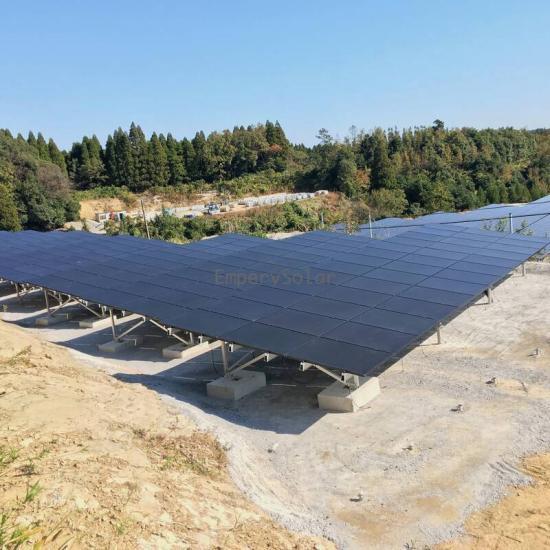
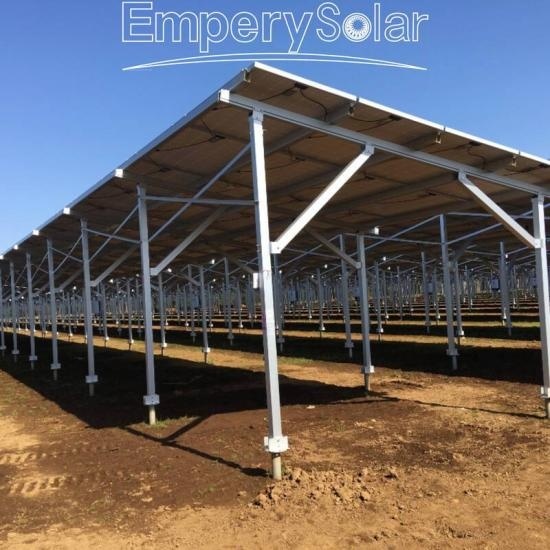
A solar ground system, also known as a ground-mounted solar system, is a type of solar energy configuration where solar panels are installed on the ground rather than on rooftops. This setup is particularly beneficial for properties with ample land space, allowing homeowners to maximize their solar energy generation potential.
Ground-mounted systems can vary in size and configuration, accommodating different energy needs and land conditions. They may include fixed racks or trackers that follow the sun’s path, optimizing the amount of sunlight captured throughout the day.
Advantages of Solar Ground Systems
The benefits of installing a solar ground system are numerous and impactful. Here, we’ll explore some of the most significant advantages:
1. Increased Energy Production
Due to their unconfined placement, solar ground systems can be oriented to capture maximum sunlight, leading to increased energy production compared to rooftop systems. Homeowners can generate more electricity, reducing reliance on the grid and lowering utility bills.
2. Flexibility in Sizing and Expansion
Ground-mounted solar systems offer greater flexibility in terms of size. Homeowners can customize their installation to fit their energy needs, and they can easily expand the system in the future if their energy requirements increase.
3. Reduced Shading Issues
Unlike rooftop systems, ground systems can be installed in locations with minimal shading from trees or buildings. This ensures optimal sunlight exposure, enhancing efficiency and energy output.
4. Easier Maintenance
Accessing ground-mounted solar panels is typically easier than accessing panels on rooftops, simplifying maintenance and cleaning. Regular upkeep can help ensure that the system operates at peak efficiency.
Cost Savings and Financial Incentives
Investing in a solar ground system can lead to substantial cost savings over time. Here’s how:
1. Reduced Electricity Bills
With a solar ground system, homeowners can significantly reduce their monthly electricity bills. By generating their own power, many find that their reliance on the grid diminishes, leading to monthly savings.
2. Solar Incentives and Tax Credits
Many governments offer financial incentives to encourage solar adoption. Homeowners may qualify for tax credits, rebates, or grants that can offset installation costs. Familiarizing yourself with local programs can lead to significant savings.
3. Increased Home Value
A solar ground system can increase your home’s market value. Potential buyers often view solar installations as an attractive feature, especially with rising energy costs and a growing focus on sustainability.
Environmental Impact of Solar Ground Systems
Switching to solar energy has far-reaching environmental benefits. Here’s how solar ground systems contribute to a greener future:
1. Reduction in Carbon Footprint
Solar energy is a clean and renewable energy source. By generating power through a solar ground system, homeowners can drastically reduce their carbon footprint, contributing to a decrease in greenhouse gas emissions.
2. Sustainable Energy Source
Solar energy is abundant and sustainable. Utilizing solar ground systems helps reduce reliance on fossil fuels, promoting a cleaner, more sustainable energy landscape.
3. Wildlife Habitat Preservation
Ground-mounted solar systems can be designed to coexist with natural habitats. Thoughtfully planned installations can minimize disruption to local wildlife and contribute to biodiversity preservation.
How to Install a Solar Ground System
Installing a solar ground system involves several key steps, which can be summarized as follows:
1. Site Assessment
Before installation, conduct a thorough site assessment to determine the optimal location for the solar panels. Factors such as sun exposure, land size, and soil condition should be evaluated.
2. Choosing the Right Equipment
Select appropriate solar panels, inverters, and mounting systems. Consider efficiency, warranty, and manufacturer reputation when making your choices.
3. Professional Installation
While some homeowners may consider a DIY approach, hiring professional installers ensures that the system is correctly set up and adheres to local regulations. Professionals can also navigate any permitting processes required.
4. Connection to the Grid
Once installation is complete, your system must be connected to the local power grid. This may involve inspections and approvals from utility companies.
Choosing the Right Solar Ground System for Your Home
Selecting the right solar ground system involves careful consideration of various factors:
1. Energy Needs Assessment
Evaluate your household’s energy consumption to determine the size of the system needed. This assessment should consider seasonal changes in energy usage.
2. Available Land Space
The amount of available land will influence the size and type of solar ground system you can install. Ensure that the selected site has adequate sun exposure and minimal shading.
3. Local Regulations and Permits
Research local zoning laws and regulations regarding solar installations. Obtain the necessary permits to ensure compliance.
4. Budget Considerations
Consider installation costs, potential incentives, and long-term savings when setting your budget. Research financing options if needed.
Maintenance and Care for Your Solar Ground System
Proper maintenance is essential for maximizing the efficiency and lifespan of your solar ground system:
1. Regular Cleaning
Keep the solar panels clean to ensure optimal sunlight absorption. Dust, debris, and snow can hinder performance, so regular cleaning is necessary, especially in dusty or snowy regions.
2. Periodic Inspections
Conduct routine inspections of the system components, including the inverter and wiring, to identify and address any issues promptly.
3. Professional Servicing
Consider hiring professionals for thorough inspections and maintenance. They can identify potential problems and suggest improvements to optimize system performance.
Common FAQs About Solar Ground Systems
1. What is the lifespan of a solar ground system?
Most solar panels have a lifespan of 25 to 30 years, with many systems continuing to operate effectively for even longer with proper maintenance.
2. Do solar ground systems require much maintenance?
Solar ground systems require minimal maintenance; however, regular cleaning and periodic inspections are recommended to ensure efficiency.
3. Can I install a solar ground system myself?
While DIY installation is possible, hiring professionals is advisable to ensure compliance with regulations and optimal setup.
4. Will a solar ground system work in cloudy weather?
Yes, solar panels can still generate electricity in cloudy conditions, although efficiency may be reduced compared to sunny days.
5. Are there any local incentives for installing solar ground systems?
Many local governments offer incentives and tax credits for solar installations. It’s essential to research specific programs available in your area.
Conclusion
In conclusion, solar ground systems present a multitude of benefits for homeowners looking to harness renewable energy. From significant cost savings and flexibility in installation to a positive environmental impact, the advantages are compelling. By understanding the installation process and carefully selecting the right system, homeowners can reap the rewards of solar energy while contributing to a sustainable future. Transitioning to a solar ground system is not merely an investment in energy savings; it's a commitment to a cleaner, greener planet for generations to come.
RELATED BLOG

Unlocking the Benefits of a Solar Ground System for Your Home
Unlocking the Benefits of a Solar Ground System for Your Home In today’s world, where energy efficiency and sustainability are top priorities, solar ground systems have emerged as a popular choice for homeowners. This article delves into the myriad advantages of installing a solar ground system, detailing not only the financial incentives but also the environmental benefits and overall impact on y
View Details


Xiamen Empery Solar Technology Co.,Ltd.

Room 611, Quanyutong Business center, No.368, Xianhou She, Huli Districts. Xiamen,China.


Whatsapp : +86-13950145677


