

Product



News
Our company offers a comprehensive set of products in the industrial, commercial and
residential fields.
Maximizing Efficiency with Solar Mounting Systems in Renewable Energy
Release time:
2026-06-12
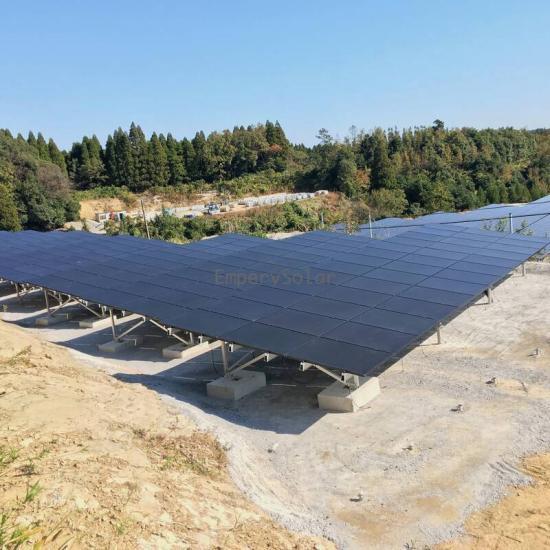
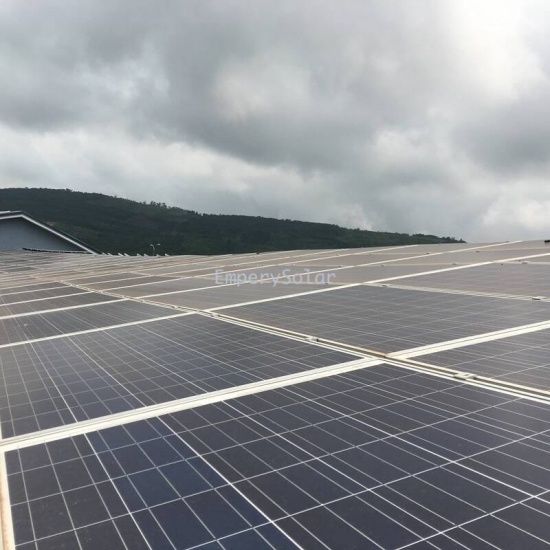
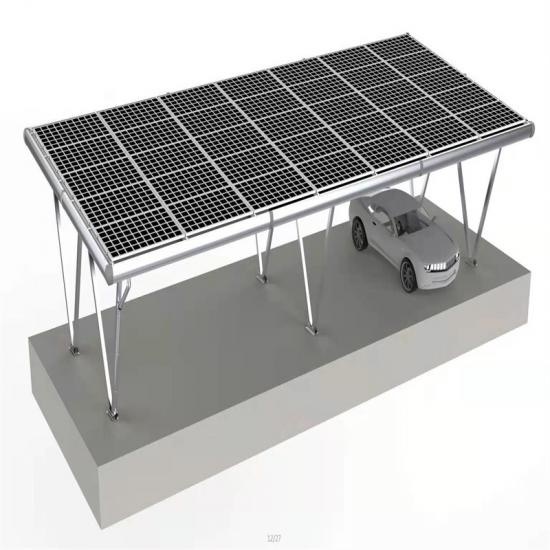
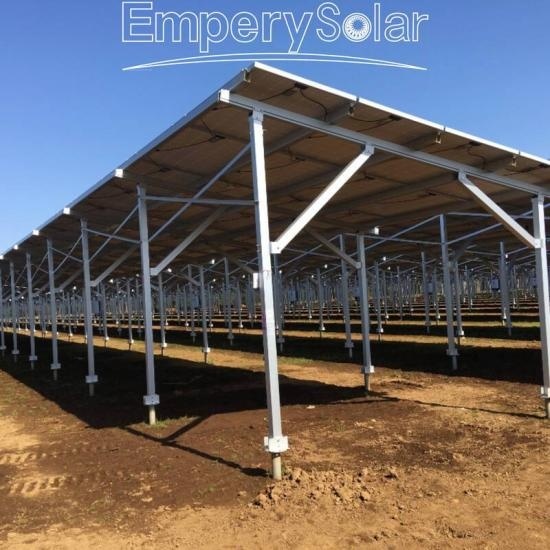
There are primarily three types of solar mounting systems: roof-mounted, ground-mounted, and pole-mounted systems. Each type has its advantages and specific use cases. Roof-mounted systems are ideal for residential applications, leveraging existing structures, whereas ground-mounted systems are often preferred for larger installations, providing flexibility in orientation and tilt. Pole-mounted systems, on the other hand, are increasingly popular in utility-scale applications due to their ability to maximize sun exposure while minimizing land use.
When selecting a solar mounting system, several factors must be considered to ensure optimal functioning. Firstly, the structural integrity of the mounting surface is crucial. For roof installations, it's essential to assess the roof's load-bearing capacity, as well as potential shading from surrounding structures. Ground-mounted systems require careful site assessment, including soil conditions and topography, to ensure stability and sustainability of the installation.
Additionally, the angle and orientation of the solar panels significantly impact energy capture. A fixed tilt system may suffice for some installations, but adjustable or tracking systems can enhance energy production by following the sun's path throughout the day. While these systems can incur higher initial costs, the long-term energy yield often justifies the investment.
It's also important to consider local regulations and permitting processes, as these can influence the design and implementation of solar mounting systems. Engaging with local authorities and ensuring compliance with building codes can streamline the installation process and avoid potential legal issues.
In conclusion, solar mounting systems play a crucial role in the effectiveness of solar energy solutions. By understanding the different types of mounting options, design considerations, and regulatory environments, professionals in the electrical and energy sectors can make informed decisions that lead to more efficient and productive solar power installations. Embracing these systems is not just about installation; it's about strategically optimizing solar energy harnessing to meet the ever-growing demand for renewable energy.
RELATED BLOG

Maximizing Efficiency with Solar Mounting Systems in Renewable Energy
Solar mounting systems are pivotal in the solar energy landscape, allowing photovoltaic (PV) panels to be securely installed and positioned optimally for sunlight exposure. Understanding the various types of mounting systems and their applications can significantly enhance the performance of solar power systems, especially in the context of battery storage and charging solutions. There are primar
View Details


Xiamen Empery Solar Technology Co.,Ltd.

Room 611, Quanyutong Business center, No.368, Xianhou She, Huli Districts. Xiamen,China.


Whatsapp : +86-13950145677


