

Product



News
Our company offers a comprehensive set of products in the industrial, commercial and
residential fields.
Understanding Fixed Tilt Ground Mount Systems for Solar Power
Release time:
2026-07-09
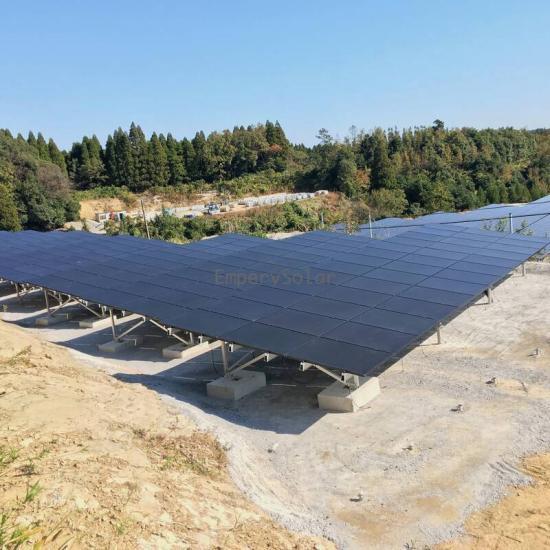
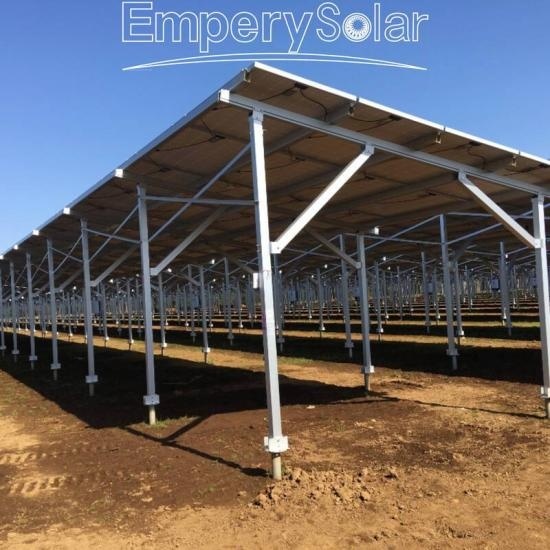
One of the primary advantages of a fixed tilt ground mount system is its simplicity. Unlike tracking systems that adjust the angle of the panels to follow the sun’s path, fixed tilt systems require less maintenance and are generally easier to install. This simplicity makes them a cost-effective solution for many solar projects, particularly in commercial and utility-scale applications.
When considering a fixed tilt ground mount system, it is essential to select the appropriate tilt angle. The optimal angle may vary based on geographic location, seasons, and specific climate conditions. Typically, a tilt angle between 30 to 40 degrees is recommended for maximizing energy capture in many regions. However, a solar energy professional can provide guidance tailored to local conditions, ensuring that the system is designed for maximum efficiency.
The durability of fixed tilt ground mount systems is another significant factor. These systems are built to withstand various environmental conditions, including wind and snow loads. Quality materials and robust construction ensure that they can last for decades with minimal wear and tear. This durability contributes to the long-term viability and sustainability of solar energy projects.
Fixed tilt ground mount systems also allow for easy accessibility, making maintenance and cleaning straightforward. Regular maintenance is crucial for ensuring the longevity and performance of solar panels. By allowing technicians to inspect and clean panels easily, these systems help maintain optimal energy output over time.
Furthermore, fixed tilt systems can be customized to accommodate various ground conditions and site-specific requirements. Whether installed on flat terrain or sloped land, these systems can be designed to meet particular needs, ensuring that they are both functional and efficient.
In recent years, the adoption of fixed tilt ground mount systems has been on the rise, particularly as more businesses and organizations seek sustainable energy solutions. By investing in these systems, they contribute to reducing carbon footprints and promoting renewable energy sources.
In conclusion, fixed tilt ground mount systems are a reliable and efficient choice for solar energy installations. Their simplicity, durability, and cost-effectiveness make them an attractive option for those looking to harness solar power. As the demand for renewable energy continues to grow, understanding the benefits of such systems becomes increasingly important for individuals and businesses alike.
RELATED BLOG

Understanding Fixed Tilt Ground Mount Systems for Solar Power
Fixed tilt ground mount systems are a popular choice for solar energy installations, especially in areas with ample open land and favorable sunlight conditions. These systems are designed to hold solar panels at a fixed angle, optimizing their exposure to sunlight throughout the day. By maintaining a consistent tilt, these systems maximize solar energy absorption and improve overall efficiency. On
View Details


Xiamen Empery Solar Technology Co.,Ltd.

Room 611, Quanyutong Business center, No.368, Xianhou She, Huli Districts. Xiamen,China.


Whatsapp : +86-13950145677


