

language
Product



News
Our company offers a comprehensive set of products in the industrial, commercial and
residential fields.
Maximizing Efficiency with Solar Mounting Systems: A Comprehensive Guide
Release time:
2026-07-13
In the ever-growing field of solar energy, solar mounting systems play a pivotal role in ensuring the efficiency and effectiveness of solar panel installations. These systems are designed to securely hold solar panels in place, positioning them at optimal angles for sunlight exposure. With advancements in technology, various types of solar mounting systems have emerged, each suited for different applications and environments.
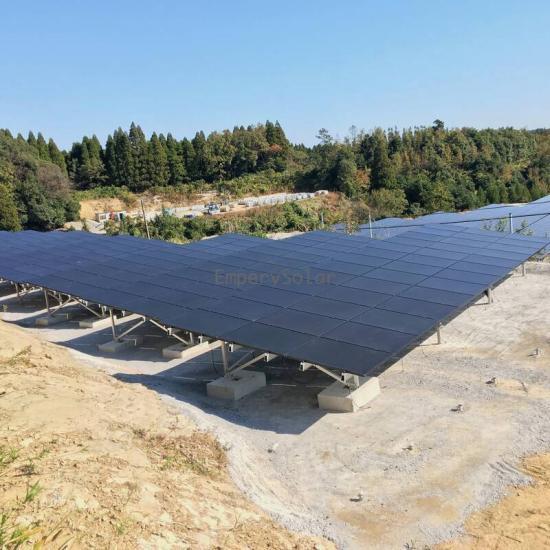
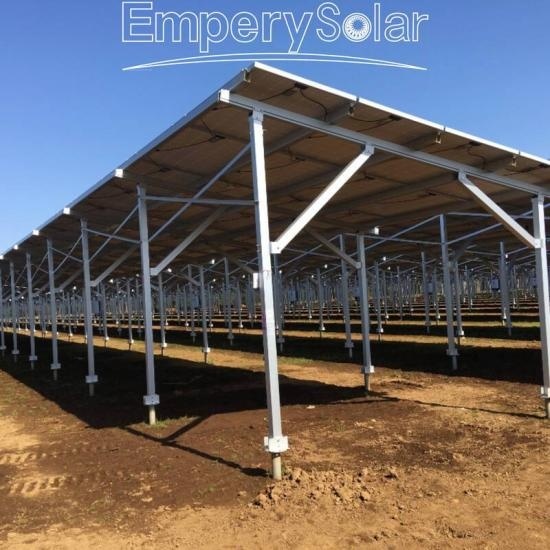
There are primarily two categories of solar mounting systems: ground-mounted and roof-mounted systems. Ground-mounted systems are typically used in large solar farms or open areas where land is available. These systems can be installed using fixed or tracking mounts. Fixed mounts are stationary and hold solar panels at a predetermined angle, while tracking mounts adjust the angle of the panels throughout the day to follow the sun, maximizing exposure to sunlight.
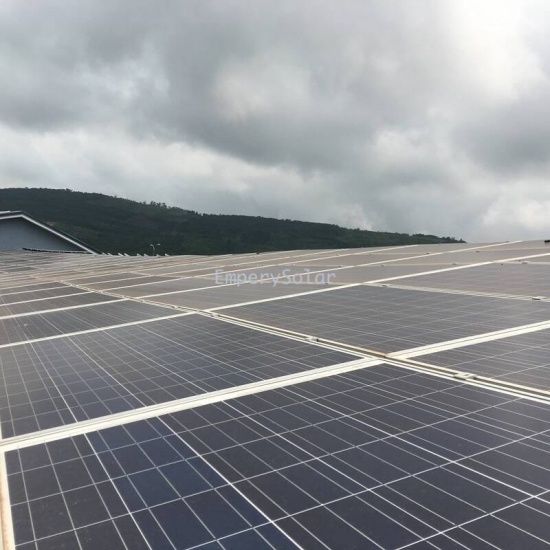
On the other hand, roof-mounted systems are integrated into residential or commercial buildings. They can be further divided into three types: flush mounts, tilted mounts, and ballasted mounts. Flush mounts are attached directly to the roof structure, providing a sleek appearance and minimal wind resistance. Tilted mounts, as the name suggests, elevate the panels off the roof for better sunlight exposure, particularly useful in areas with shading issues. Ballasted mounts rely on weight to secure the panels, making them ideal for flat roofs where penetration is not feasible.
When selecting a solar mounting system, it's crucial to consider several factors, including the local climate, the type of installation surface, and the desired angle for solar panel placement. For example, in areas with heavy snowfall, a mounting system designed to handle the additional weight is essential. Similarly, in high-wind regions, robust and secure systems are necessary to prevent damage.
Installation practices also play a significant role in the performance of solar mounting systems. Proper alignment and leveling ensure that solar panels capture the maximum amount of sunlight. Additionally, regular maintenance checks can extend the lifespan of the mounting system and the panels themselves.
In conclusion, understanding the various types and features of solar mounting systems is vital for professionals in the electrical and solar energy sectors. By selecting the appropriate system and adhering to best installation practices, you can significantly enhance the efficiency and reliability of solar power installations, ultimately contributing to a more sustainable energy future.
There are primarily two categories of solar mounting systems: ground-mounted and roof-mounted systems. Ground-mounted systems are typically used in large solar farms or open areas where land is available. These systems can be installed using fixed or tracking mounts. Fixed mounts are stationary and hold solar panels at a predetermined angle, while tracking mounts adjust the angle of the panels throughout the day to follow the sun, maximizing exposure to sunlight.
On the other hand, roof-mounted systems are integrated into residential or commercial buildings. They can be further divided into three types: flush mounts, tilted mounts, and ballasted mounts. Flush mounts are attached directly to the roof structure, providing a sleek appearance and minimal wind resistance. Tilted mounts, as the name suggests, elevate the panels off the roof for better sunlight exposure, particularly useful in areas with shading issues. Ballasted mounts rely on weight to secure the panels, making them ideal for flat roofs where penetration is not feasible.
When selecting a solar mounting system, it's crucial to consider several factors, including the local climate, the type of installation surface, and the desired angle for solar panel placement. For example, in areas with heavy snowfall, a mounting system designed to handle the additional weight is essential. Similarly, in high-wind regions, robust and secure systems are necessary to prevent damage.
Installation practices also play a significant role in the performance of solar mounting systems. Proper alignment and leveling ensure that solar panels capture the maximum amount of sunlight. Additionally, regular maintenance checks can extend the lifespan of the mounting system and the panels themselves.
In conclusion, understanding the various types and features of solar mounting systems is vital for professionals in the electrical and solar energy sectors. By selecting the appropriate system and adhering to best installation practices, you can significantly enhance the efficiency and reliability of solar power installations, ultimately contributing to a more sustainable energy future.
RELATED BLOG

Metal Roof Solar Mounting Systems Support Efficient and Reliable Solar Energy Development
best metal roof solar mounting customized with strong materials, easy installation, weather resistance, and OEM solutions for efficient solar systems
View Details


Xiamen Empery Solar Technology Co.,Ltd.

Room 611, Quanyutong Business center, No.368, Xianhou She, Huli Districts. Xiamen,China.


Whatsapp : +86-13950145677


